
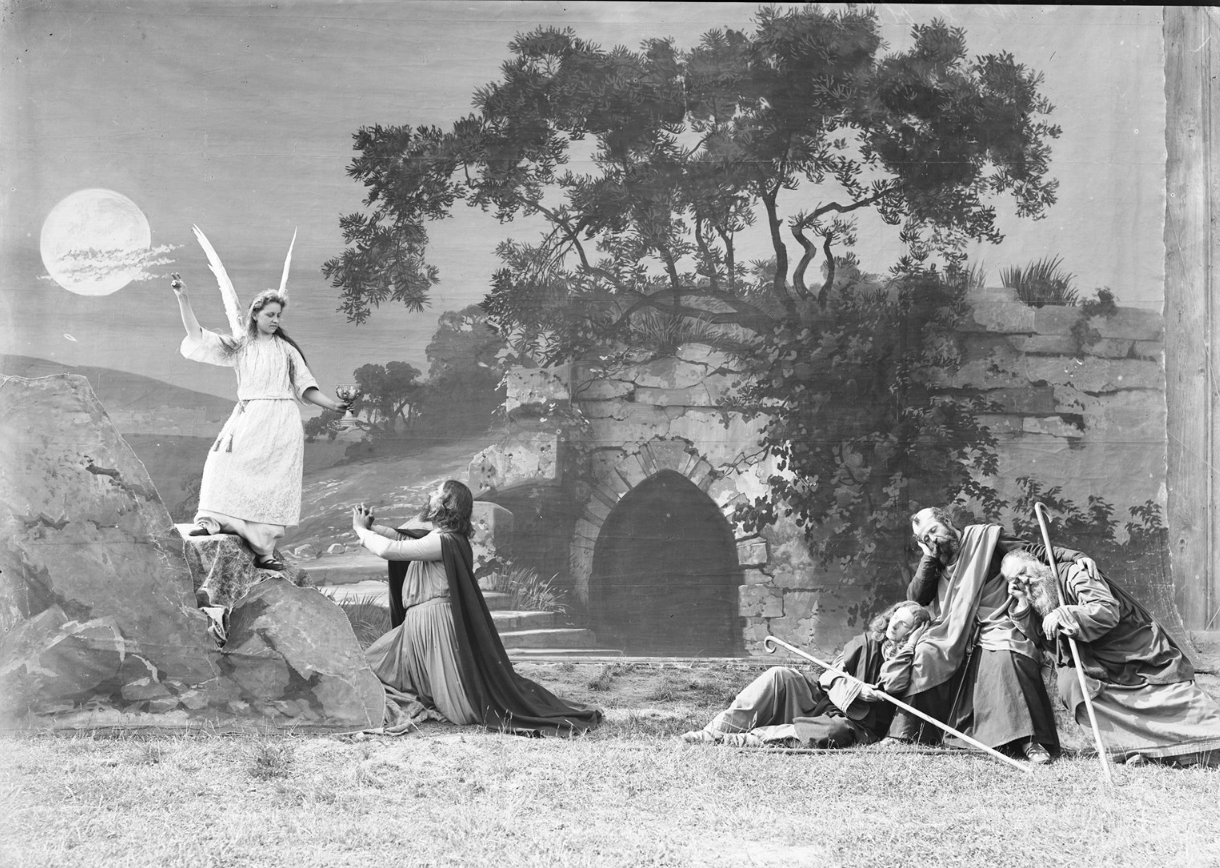
The Market Town of Hořice na Šumavě
Hořice na Šumavě ranks among the oldest settlements in the Český Krumlov region.
The first written record dates from 1272.
More detailed history of the market town
The first written record dates from 1272, when Hořice and the surrounding area were an estate belonging to the Lords of Kosova Hora. Later owners included Záviš of Falkenstein and then Vítek of Krumlov.
In 1290 King Václav II confirmed the sale of Hořice to the Cistercian monastery in Vyšší Brod. In 1375 Hořice was promoted to a small town with its own reeve, councillors and judicial authority.
A preserved parchment charter from 1549 issued by the abbot of Vyšší Brod, Pavel, granted Hořice the status of a market town.
Obsah stránky
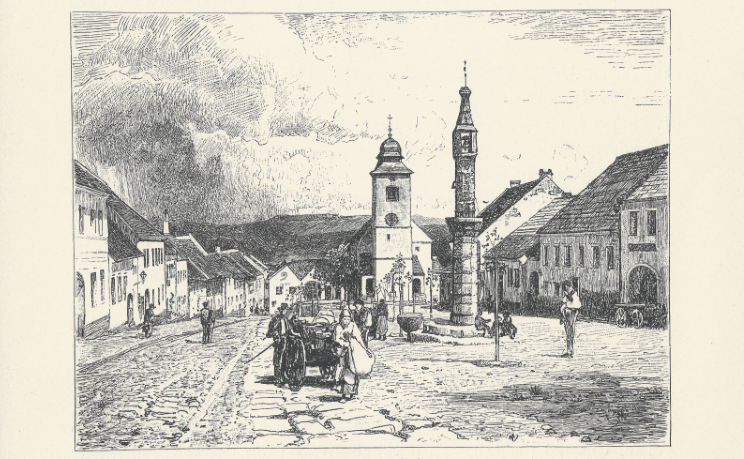
The origin of the Passion Play tradition
The tradition of Passion Plays dates back to the 13th century and is closely connected with the difficult living conditions of ordinary people.
Passion Plays in their medieval context
Religion became a way of coping with suffering. Ordinary people associated their own hardships with the suffering of Christ and believed in the hope of resurrection and better times.
Good and evil were portrayed in folk plays with religious themes, which always reflected the era in which they originated.
However, this activity gradually faded during the 17th century as a result of constant wars.
The birth of the tradition
Year 1816 – the first Hořice Passion Play
The first written documentation of the Hořice Passion Plays dates from 1816. The author was the Hořice weaver and collector Paul Gröllhesl.
The creation of the text and the first performance
The first written documentation of the Hořice Passion Plays dates from 1816. The tradition of the Hořice Passion Plays originated from the spiritual sensibility of the ordinary people of Hořice. Their author was the Hořice weaver and collector Paul Gröllhesl, who was inspired by a well-known work by the German Capuchin Martin (Linia) of Cochem (1634–1712). With the help of a parish priest he wrote a text for a Passion Play entitled: “The Suffering and Death of Our Lord Jesus Christ – a tragedy in five acts with a prologue,” thereby effectively establishing a new tradition of the Hořice Passion Plays. He rehearsed the play and in the same year performed it together with other citizens of Hořice.
Between 1816 and 1840 the plays were performed on Lenten Sundays and during the Easter holidays in the halls of local inns and without costumes.
Flourishing period
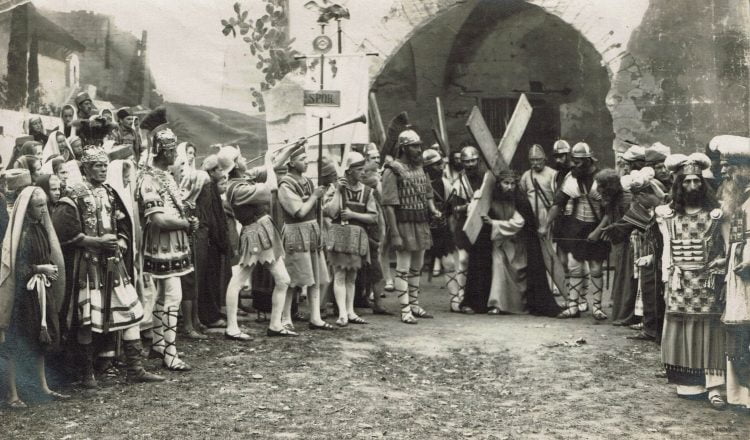
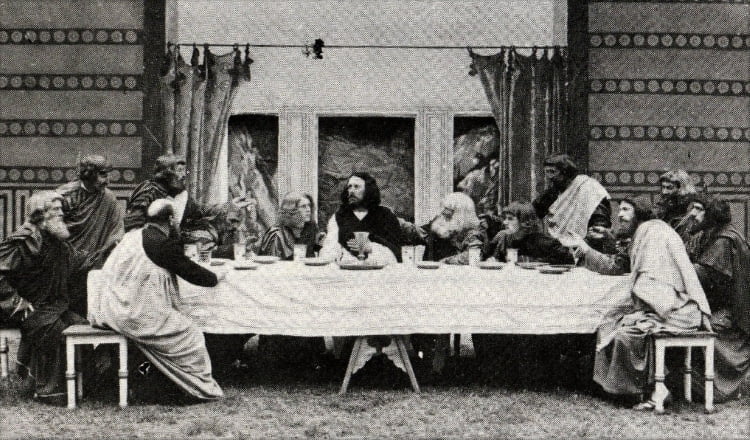
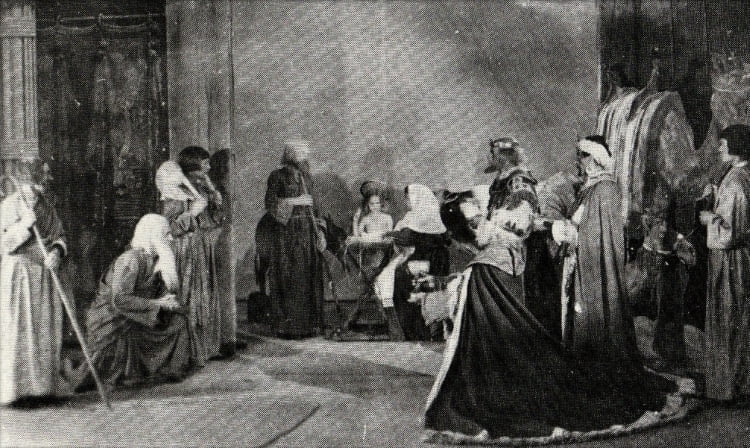
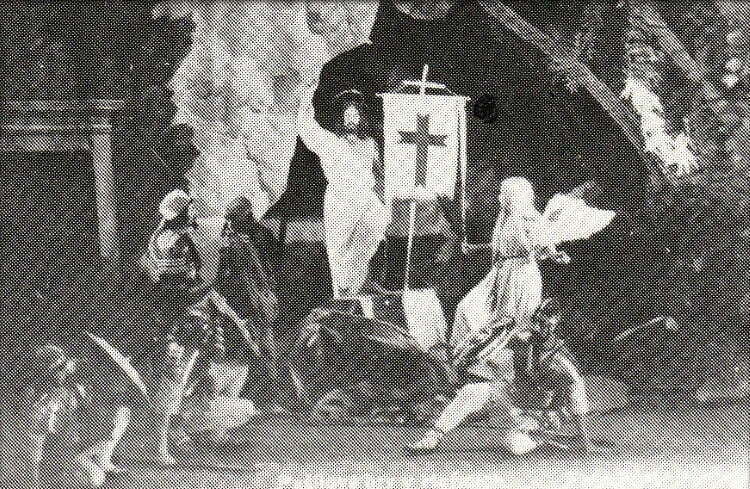
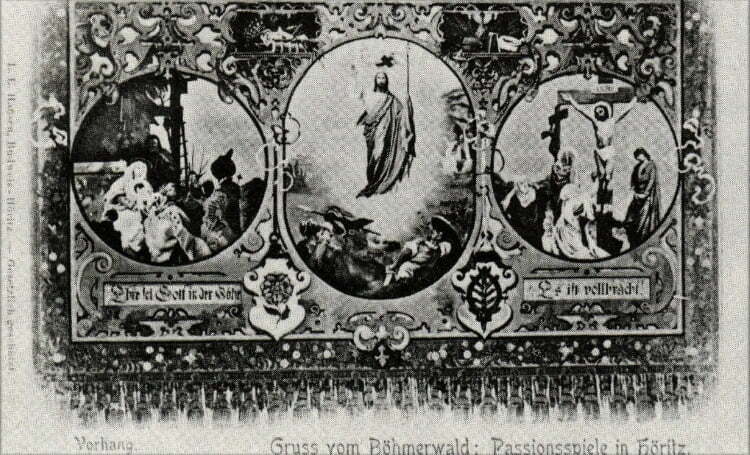
Later, in the 1880s, the local amateur theatre group performed the Passion Plays and the actors already appeared in costumes. The tradition of the plays and their increasing quality contributed to the fact that their reputation spread far beyond the region and became an inspiration for organising Passion Plays throughout Europe, beginning in Austria and ending in Spain.
Golden era – the year 1893
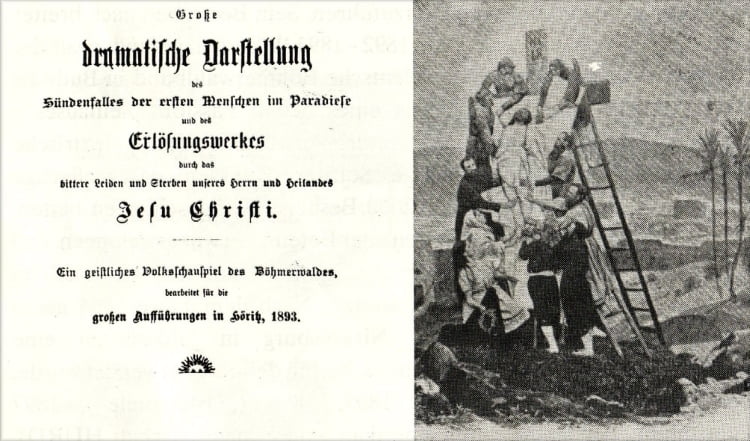
Thanks to Professor Josef Johann Ammann, the Hořice Passion Plays became a grand theatrical production of European importance
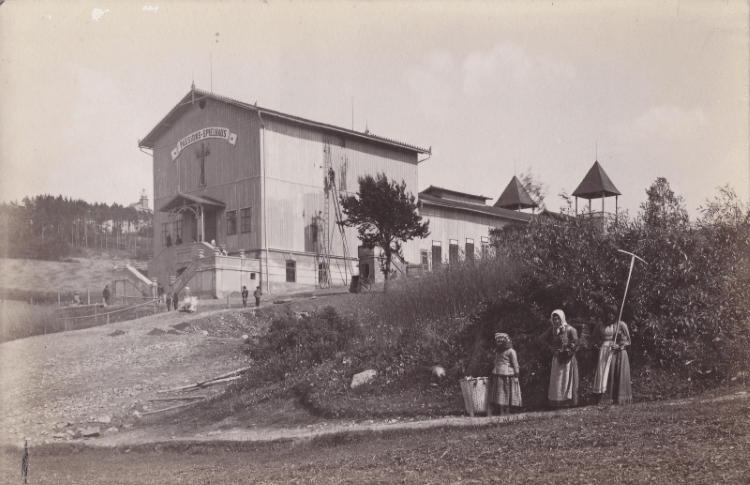
The creation of the large Passion Theatre
From these modest beginnings, the magnificent Passion Plays emerged thanks to the efforts of Professor Josef Johann Ammann from Český Krumlov. One year later they were further adapted by Provost Landsteiner.
Professor
Ammann revised the original text by Gröllhesl and, as he came from Tyrol, drew
inspiration from the Passion Plays then performed in Oberammergau and Brixlegg.
For his plan he gained the support of the citizens of Hořice as well as the
German association Deutscher Böhmerwaldbund, which supported the development of
social, economic and cultural life among the German-speaking inhabitants of the
Šumava region.
With the significant contribution of this association and the help of local citizens, a theatre building with a capacity of 1,500 seats was constructed and just a year later expanded to accommodate 2,000 spectators. Around 300 people performed on its stage. The premiere of the large Passion Play performance took place on 25 June 1893. In that same year alone, around 40,000 spectators came to see the Hořice Passion Plays.
Music and spectacle
The musical part of the Passion Play was initially provided by the miners’ band from the Schwarzenberg princely mines in present-day Černá v Pošumaví. However, in 1912 the band was no longer able to participate in the Hořice Passion Plays because, as stated by the director of the princely graphite mines, it was no longer possible to assemble a sufficiently large and high-quality ensemble from the available miners.
At that time Josef Taschek, director of the Deutscher Böhmerwaldbund association, turned to Duke Adolf Josef of Schwarzenberg in Český Krumlov with a request to send grenadiers from the Ducal Bodyguard to the Passion Theatre in Hořice na Šumavě. The request was handled by the hereditary prince Jan Nepomuk II, and the guard band was, by order, involved in the Hořice Passion Plays already in the 1912 season. The Schwarzenberg grenadiers’ band was a great asset to the Passion Plays, as it was considered one of the most renowned ensembles in the entire region.
The Passion Plays became famous far and wide, and it is therefore no surprise that important figures of the time attended them, such as members of the imperial family, Prince Schwarzenberg and high-ranking church officials. Unlike other Passion Play locations where performances usually took place only every few years, the plays in Hořice were performed more frequently. They were interrupted only during the First and Second World Wars. In 1936 the Passion Plays were performed for the last time. During the Second World War the theatre served as a storage facility for military equipment.
Interruption
The Passion Plays were performed until 1936. During the wars the tradition was interrupted.
The Second World War and the disappearance of the theatre
After the war ended, the newly settled inhabitants of Hořice decided to revive the tradition of the Passion Plays. The impulse for restoring the Passion Plays was the appeal of Jaroslav Tomáš Vetešník.
Repairs were carried out on the theatre building and under the leadership of Hořice citizen Jaroslav Tomáš Vetešník and the parish priest of Kájov, Jan Václav Straka, the play began to be rehearsed together with the local residents using a Czech translation of Landsteiner’s text.
Already in 1947 the first Passion Play in Czech, with a reduced script, was performed in the theatre. In the following year it was performed again, this time in full. The staging of the play during this period, essentially the first time in Czech, symbolised the arrival of the Czech language and Czech inhabitants in the region.
February 1948
After February 1948 the state and party authorities were no longer interested in allowing a play with religious themes to continue to be performed.
Performances were banned and the theatre building was used as a sheepfold, later left to deteriorate, and eventually demolished, just like the nearby chapel.
The Passion Play tradition was condemned to be forgotten and was only occasionally mentioned quietly that the plays had once been performed here and had even been filmed several times. These reminders were mainly preserved thanks to the local chronicler Mr. Šimeček.
Modern Passion Plays
After 1989, a strong effort emerged to reconnect with the interrupted tradition. In Hořice a new ensemble was formed, along with a new script, music and facilities – and the Passion Plays returned to the life of the community.
1990: Establishment of the society – the people at the beginning
At the end of 1990 the Society for the Restoration of the Passion Plays in Hořice na Šumavě – Pašije was founded.
The impulse came from the post-November atmosphere and the initiative of the first freely elected mayor of the municipality, Ing. Miroslav Čunát.
Also present at the founding were Ing. Karel Fila, Emil Soukup (then the vicar of Český Krumlov), Růžena Hotová and Alena Bublíková, who brought Josef Šuga to the role of the first Jesus in the post-revolution performances.
The goal was to collect materials, organise an exhibition, establish contacts and seek inspiration abroad.
At that time, the wish to perform the Passion Plays again seemed almost impossible – the theatre had been demolished, costumes and scenery were gone and it was necessary to create a new script (the original German version lasted more than five hours).
New script, music and costumes
Two text proposals were submitted: one by Mr. Berka from České Budějovice and one by PhDr. Jindřich Pecka.
After consultations, the script by PhDr. Jindřich Pecka was chosen.
The music was composed by Jaroslav Krček. An important source of help were consultations and materials from Mgr. Petr Jelínek, then director of the Regional Museum in Český Krumlov. Petr Jelínek later, together with Miss Kohoutková, also created the Passion Play Museum in Hořice na Šumavě
A crucial step forward occurred when, after reading a newspaper article, the director Antonín Bašta (intendant of the South Bohemian Theatre) joined the project. He partially revised the script and collaborated on the stage design with his brother-in-law, the architect Antonín Dvořák.
In the spring of 1993 Musica Bohemica, conducted by Jaroslav Krček, recorded the music for the Passion Plays.
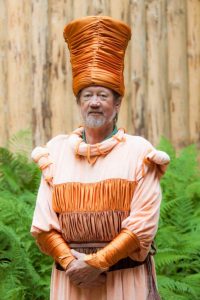
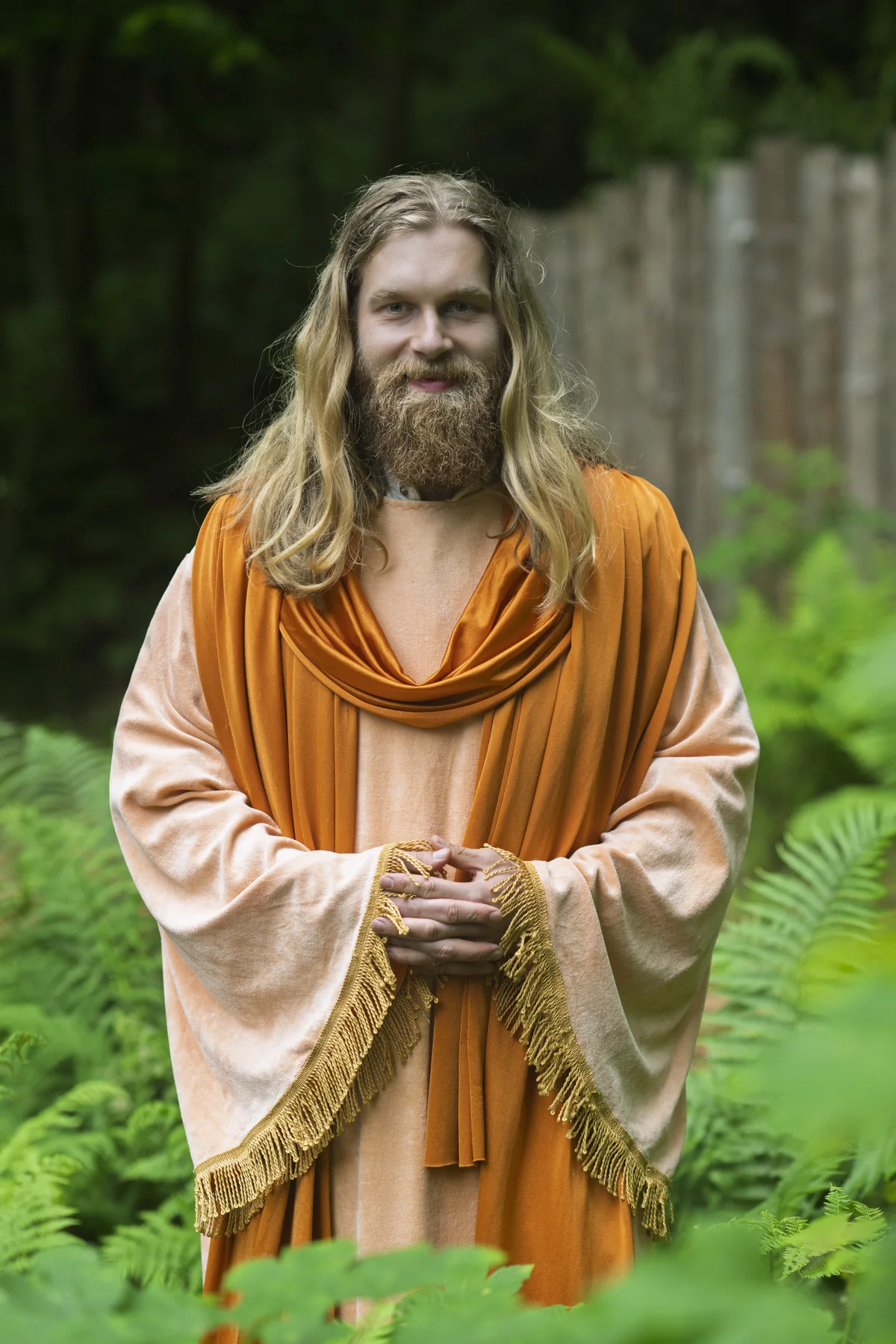
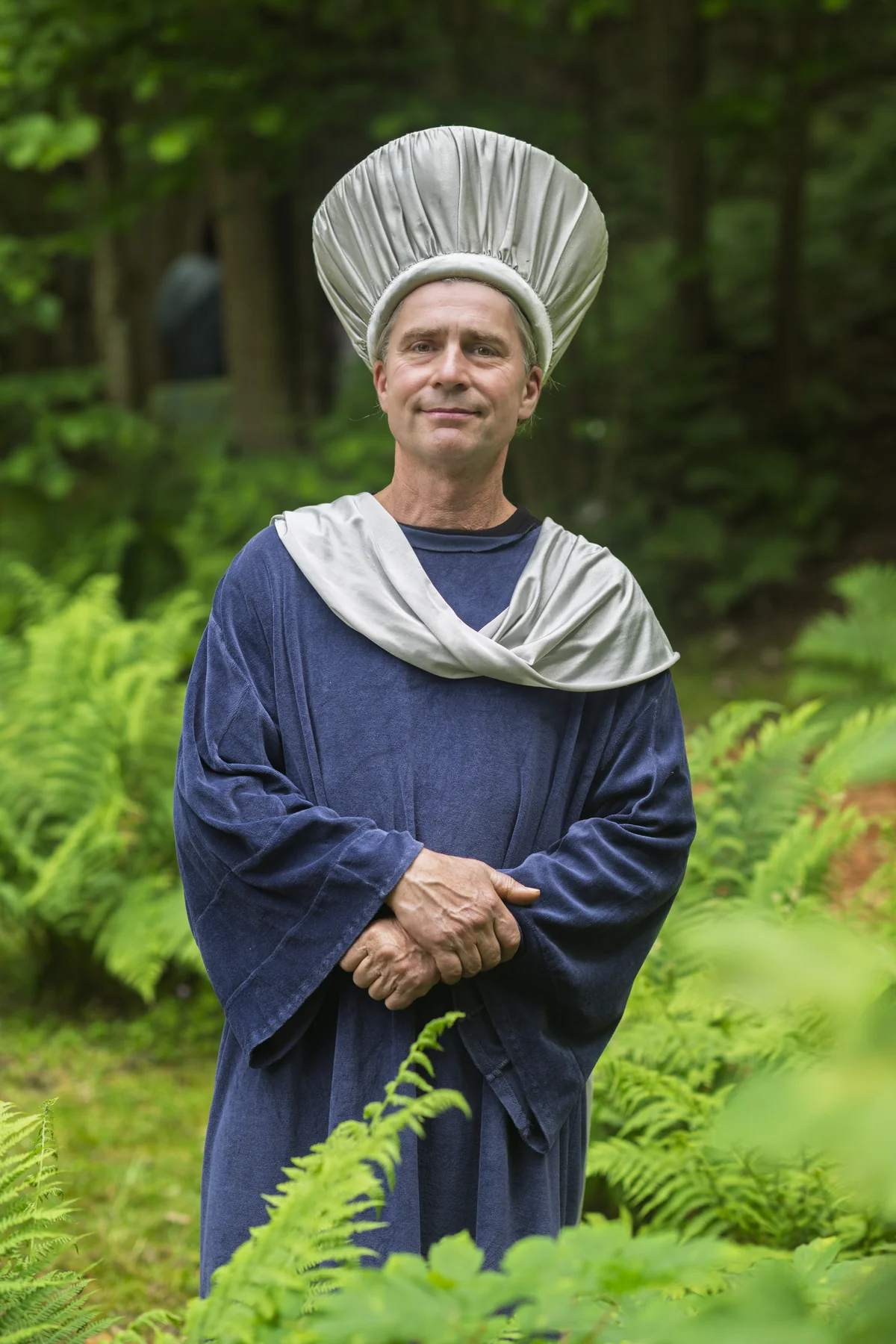
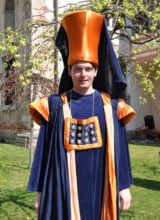
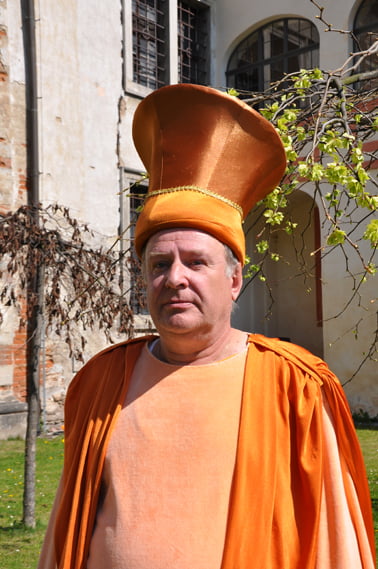
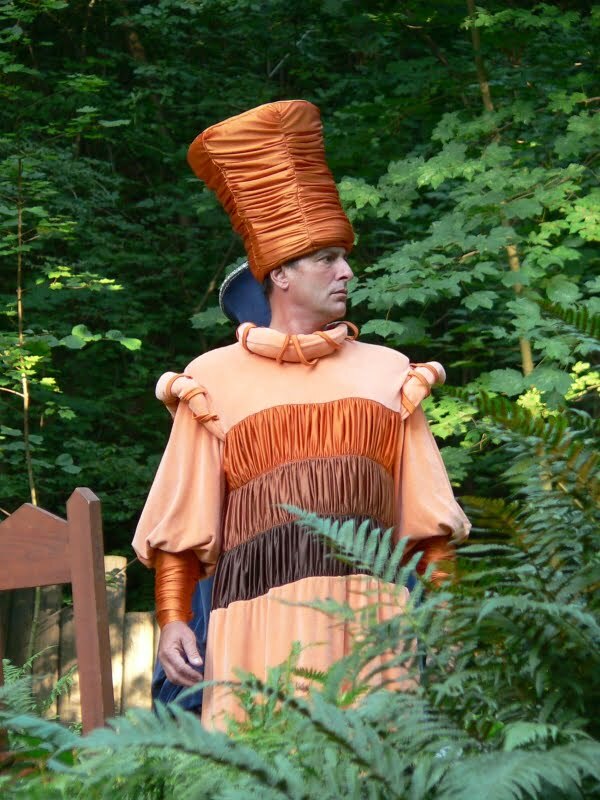
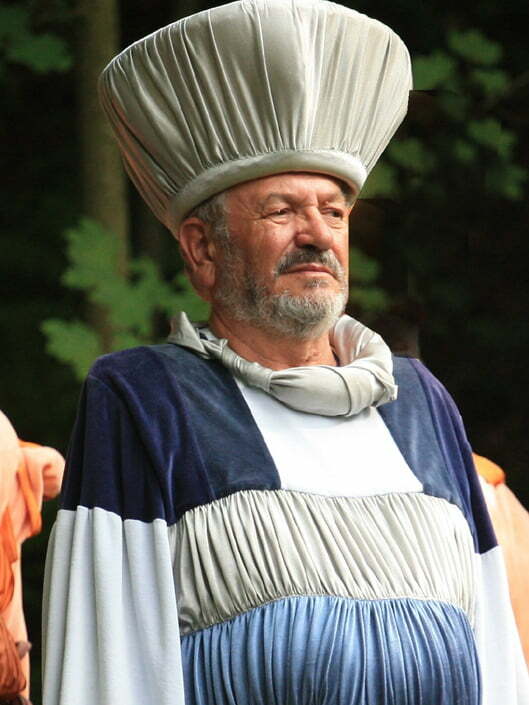
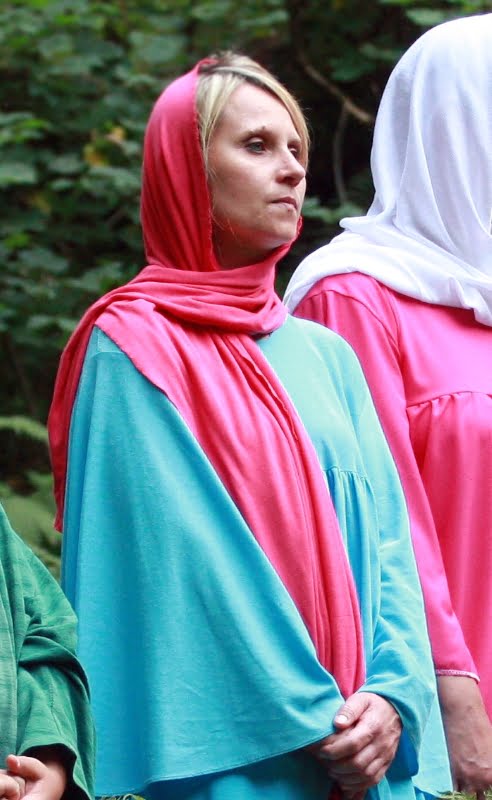
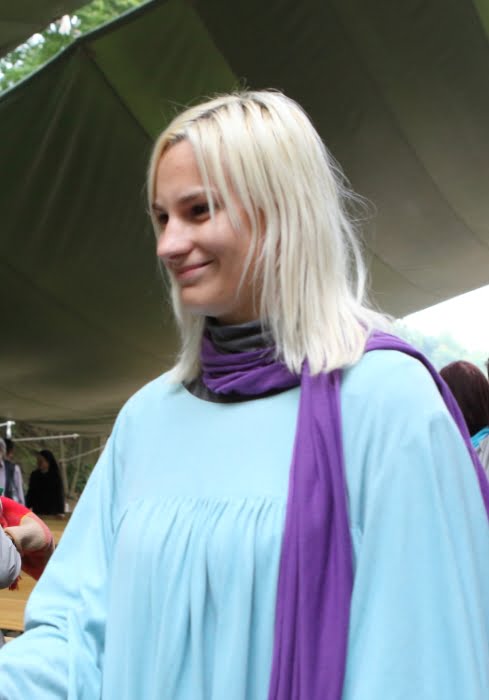
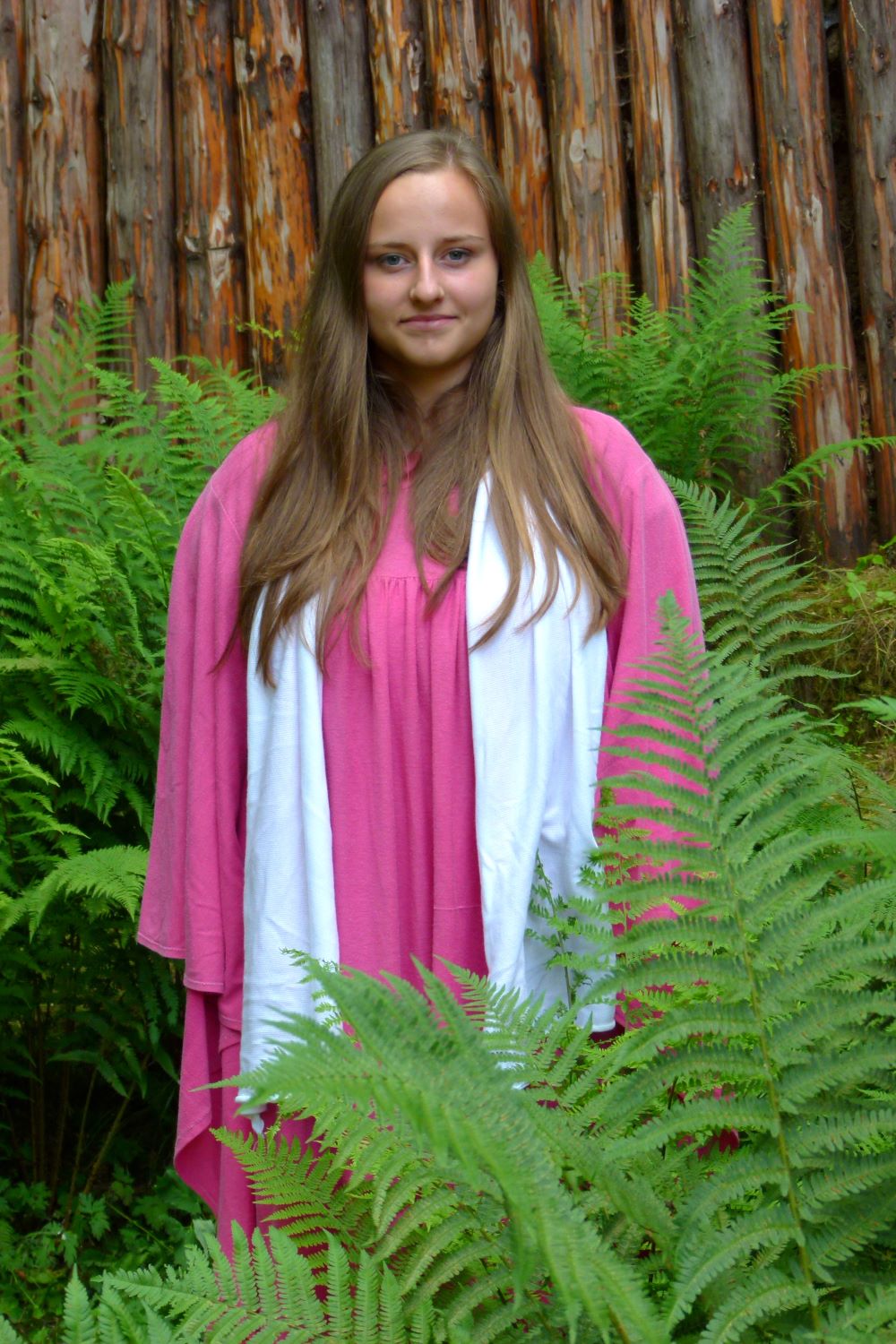
Mrs. Strašrybková designed the costumes and sewed them together with the women from the ensemble; the fabric was obtained advantageously from the Jitex factory in Písek.
A new open-air theatre: forest park and three months of work
For the performance, the space of the former shooting range in the forest park was chosen, in close proximity to the original theatre. A natural stage was created, but it was preceded by enormous effort from the Passion Play society and local residents.
Mayor Čunát was the driving force behind the preparations – within three months it was necessary to complete drainage and terrain work, install benches (512 seats), build palisades, tables, chairs and the cross, adapt dressing rooms and sanitary facilities, provide water supply and sewerage, reinforce the electricity supply, create an access road and construct a roof structure over the auditorium.
The original roofing design was created by Lubomír Pánek, who also designed the stage in the wooded hillside.
The preparations also included the reconstruction of the memorial to Josef Johann Ammann, financially supported by Růžena Hotová.
26 June 1993: The revival premiere (100 years and 1 day later)
The premiere of the revived Passion Plays took place on 26 June 1993 – exactly 100 years and one day after the premiere of Ammann’s Passion Plays.
A monument titled “To All Who Contributed to the Passion Plays” was installed on the square, financed by R. Paydl. This was followed by a festive mass celebrated by General Vicar Dvořák and the opening of an exhibition at the parish house.
During the 1993 season, 9 performances were staged with an attendance of 1,826 spectators. After the success of the first year, a solid foundation for a new tradition was created. Evening performances began in 1999.
Awards and recognition (1996–1997)
In the evaluation of the competition for civic cultural and social activities for the year 1996, the Hořice Passion Plays placed first and received the Award for the Development of Local Civic Activities (Patria Foundation and Místo v srdci).
The award was presented in 1997 at Prague Castle. Hořice became the first winner of the competition, in which 149 projects participated.
After 1998: changes, a new society and cooperation
After the death of director Antonín Bašta in 1998, the direction of the plays was taken over by Mgr. Jiří Šesták from the South Bohemian Theatre. Part of the rehearsals was then led by the chairman of the foundation’s board, Mr. Bublík, who devoted himself selflessly to technical and organisational matters until 2003.
In 2003 the foundation effectively ceased to exist.
After its dissolution, the Society for the Preservation of the Hořice Passion Plays was established. The initiative was taken by Vítězslav Kučera, who was elected to lead the new society. The tradition of the Passion Plays, performed annually, continued.
In 2004 a partnership was established with the Passion Play ensemble from the Lower Bavarian municipality of Perlesreut.
During Easter in 2005 and 2006 a shortened version of the Passion Plays was performed on Prague’s Kampa Island – for many performers it was a powerful experience to walk in procession across Charles Bridge and perform the story of Jesus in front of a large audience.
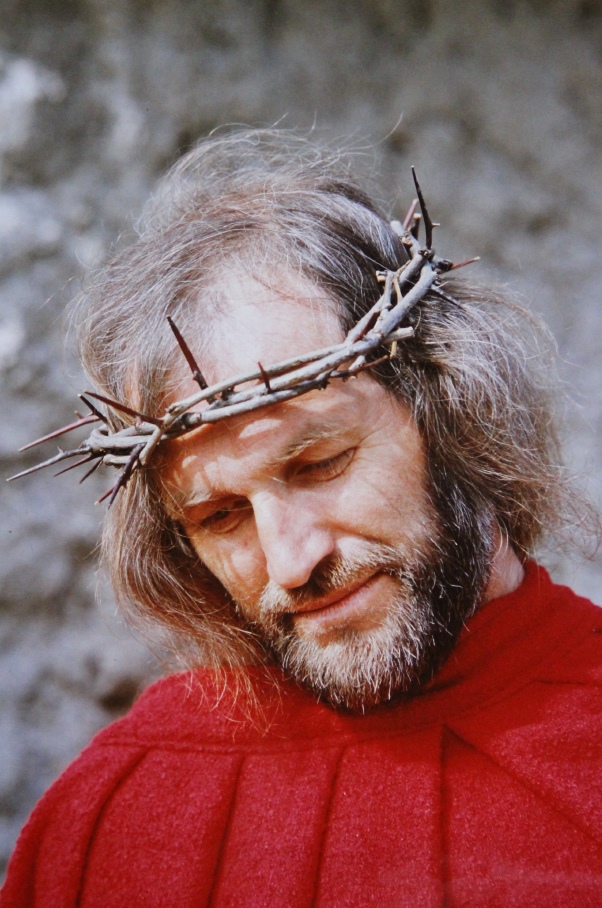
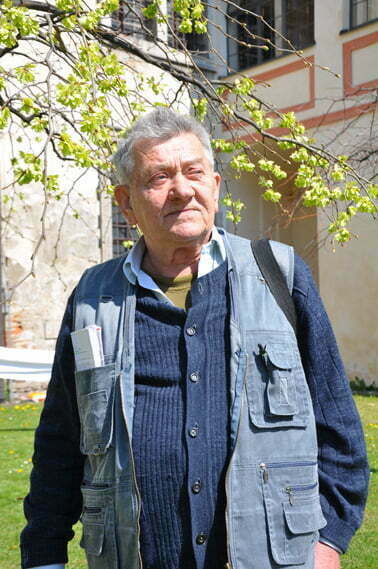
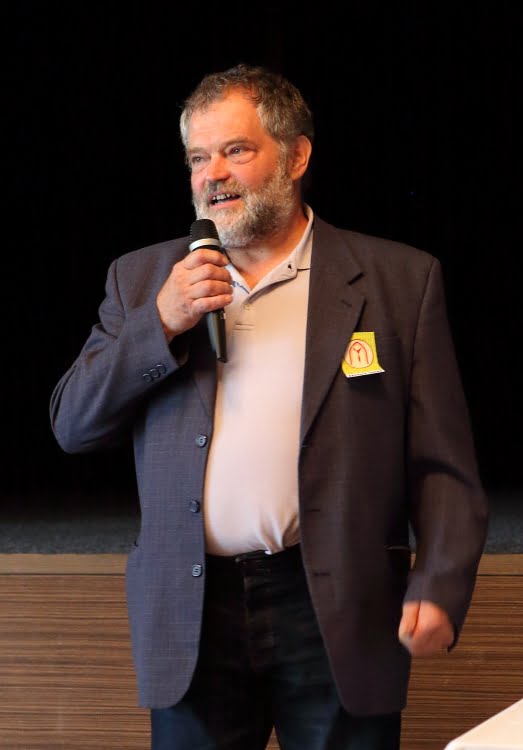
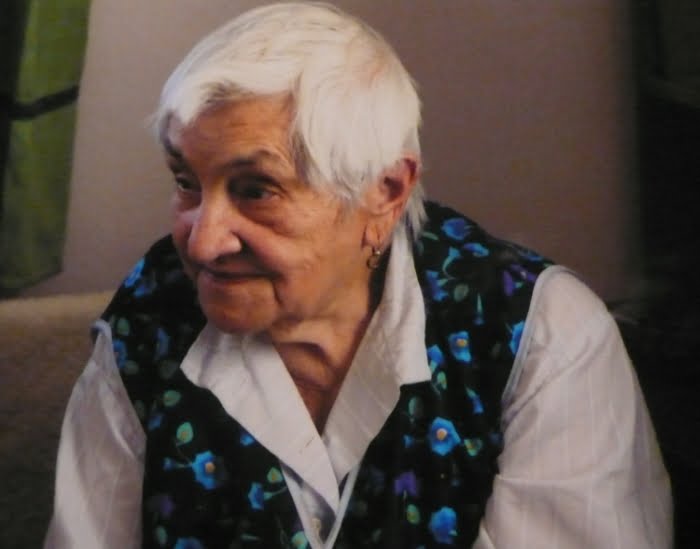
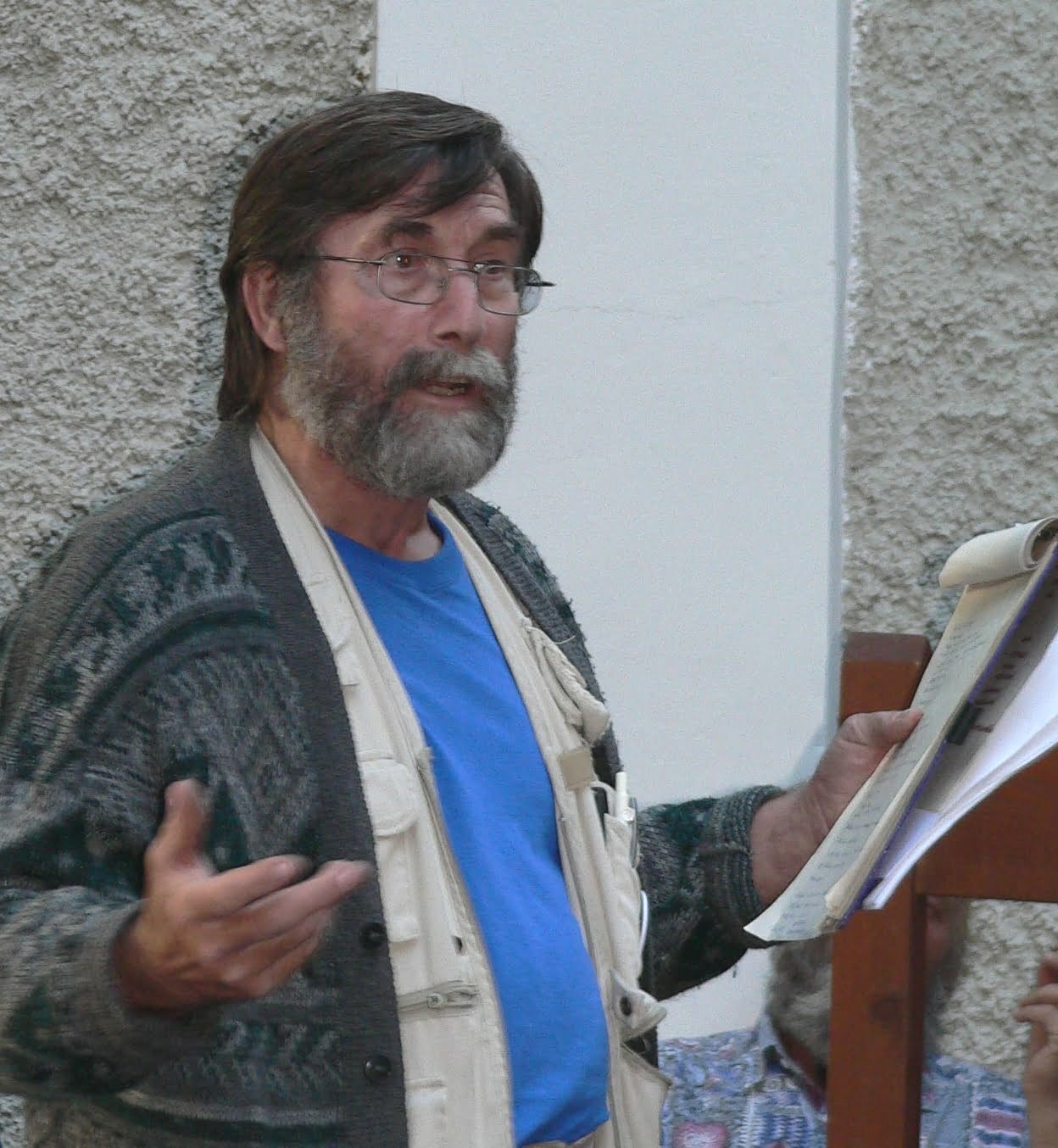
Creators and performers
Tvůrčí tým
Technické a hudební zajištění
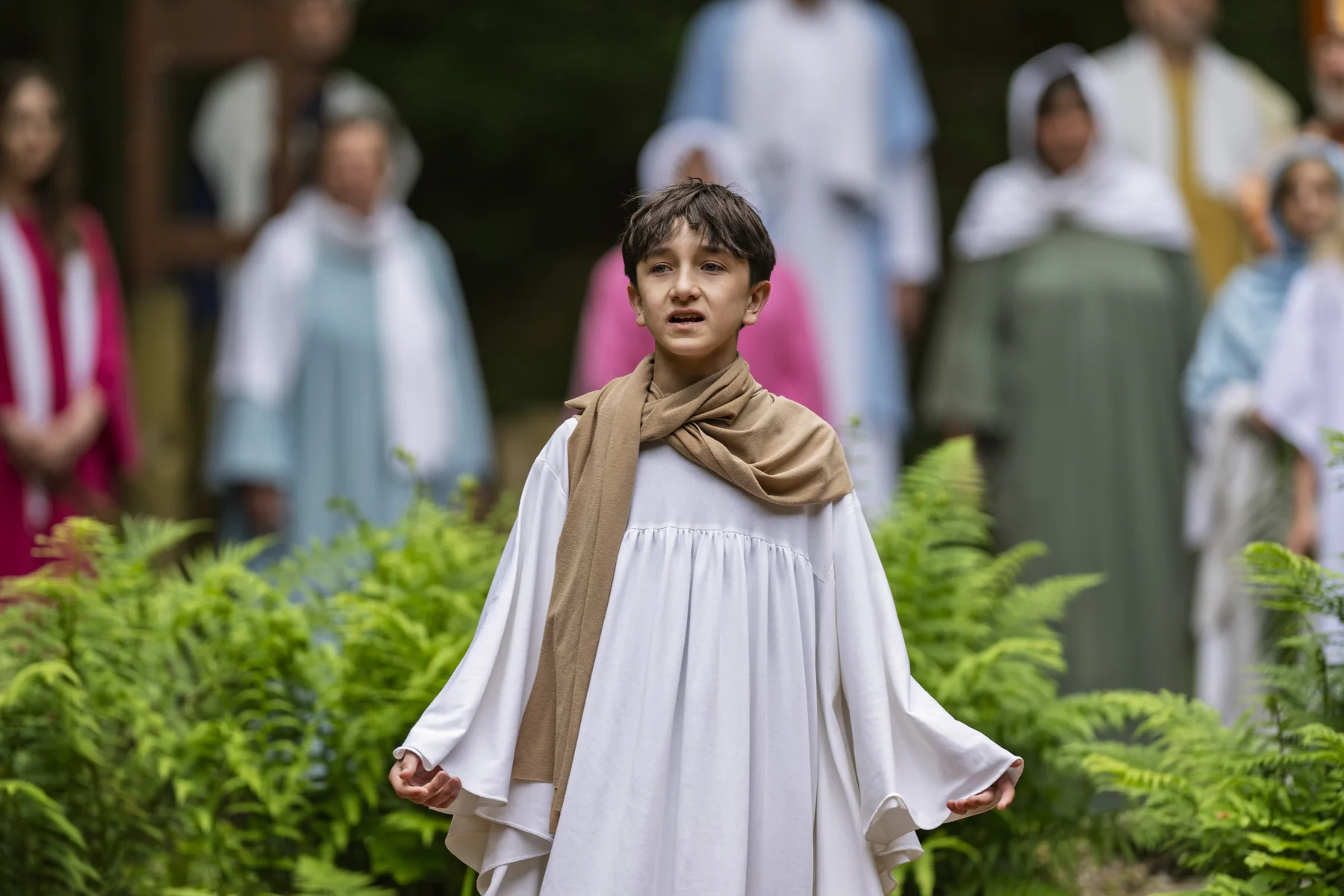
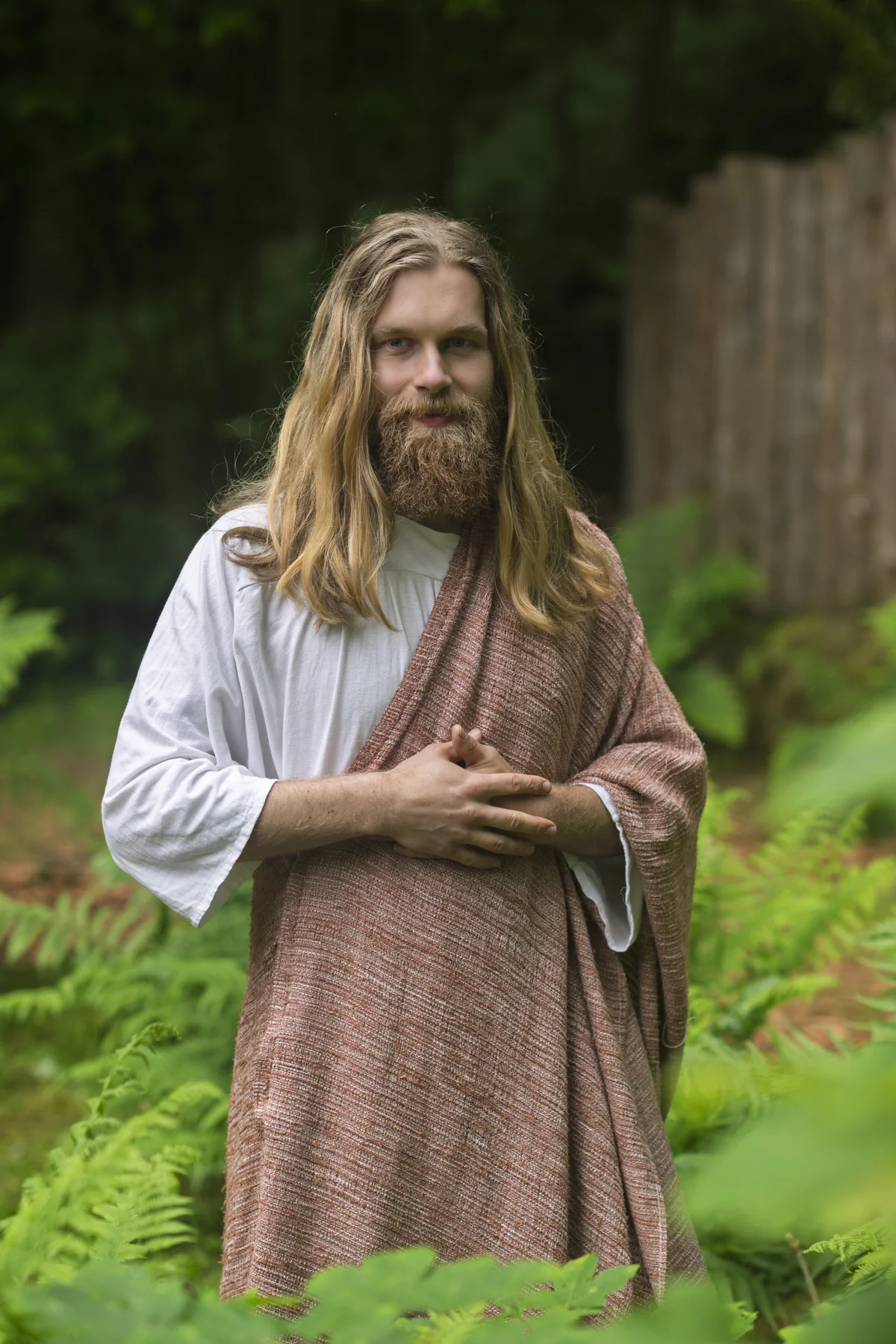
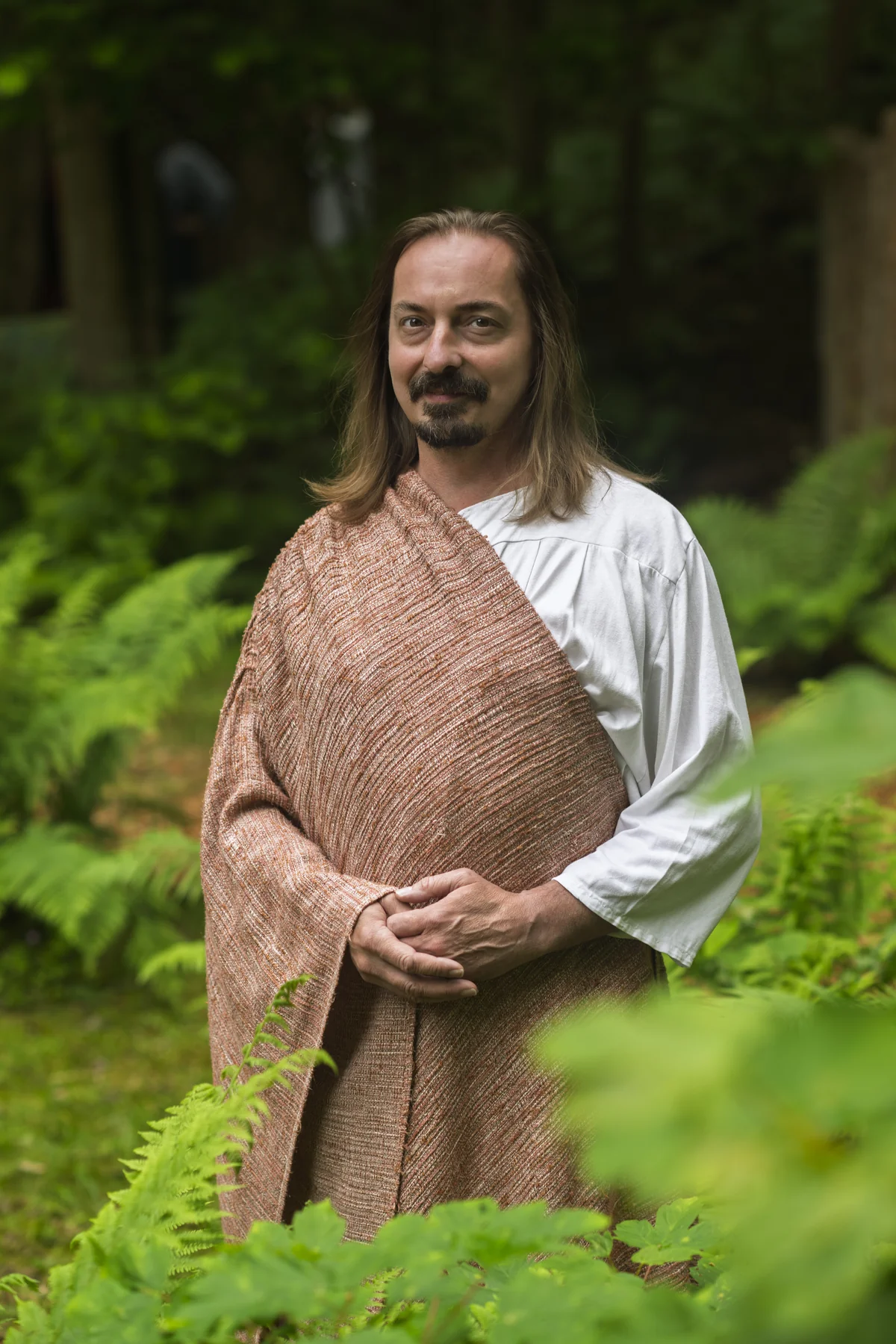
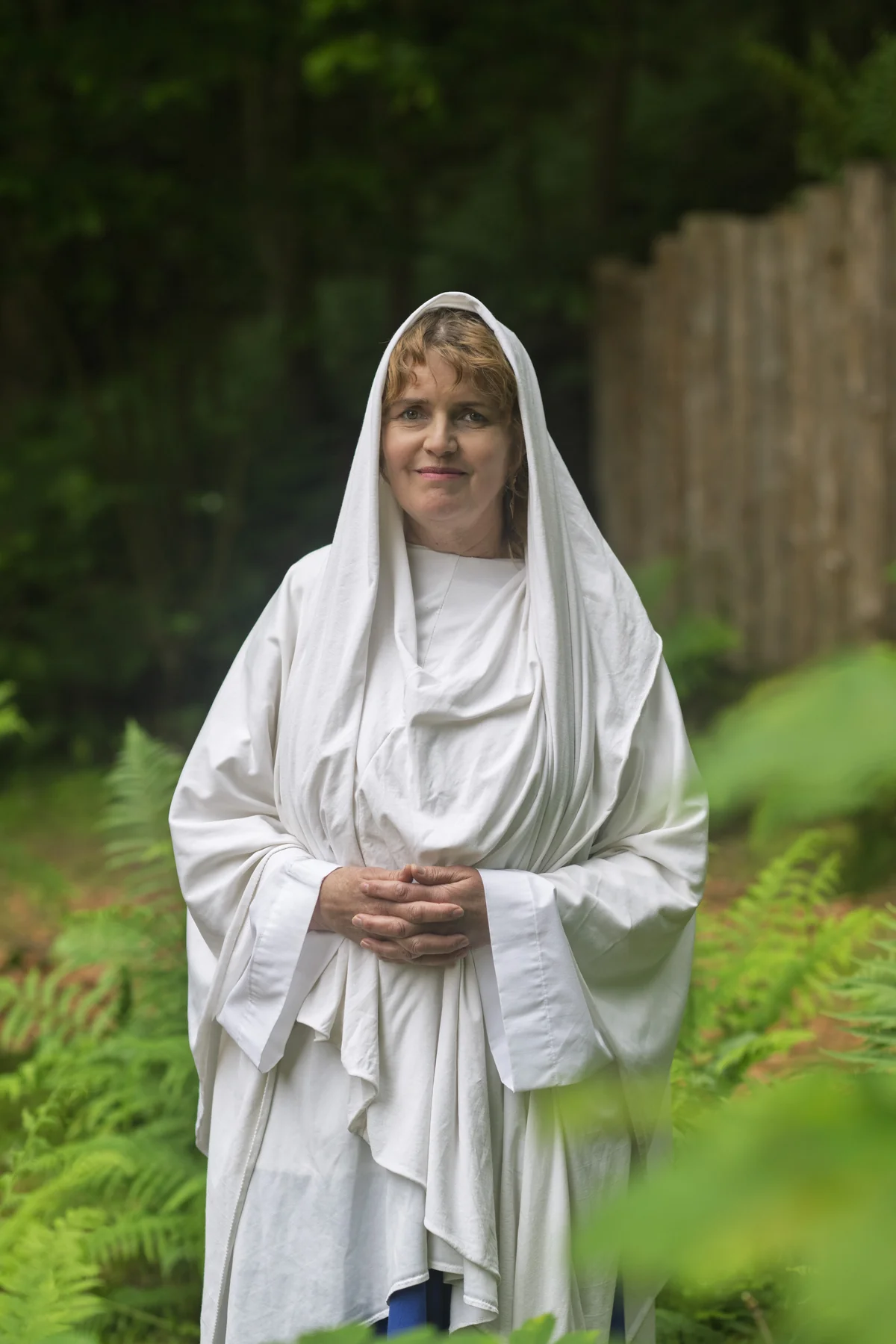

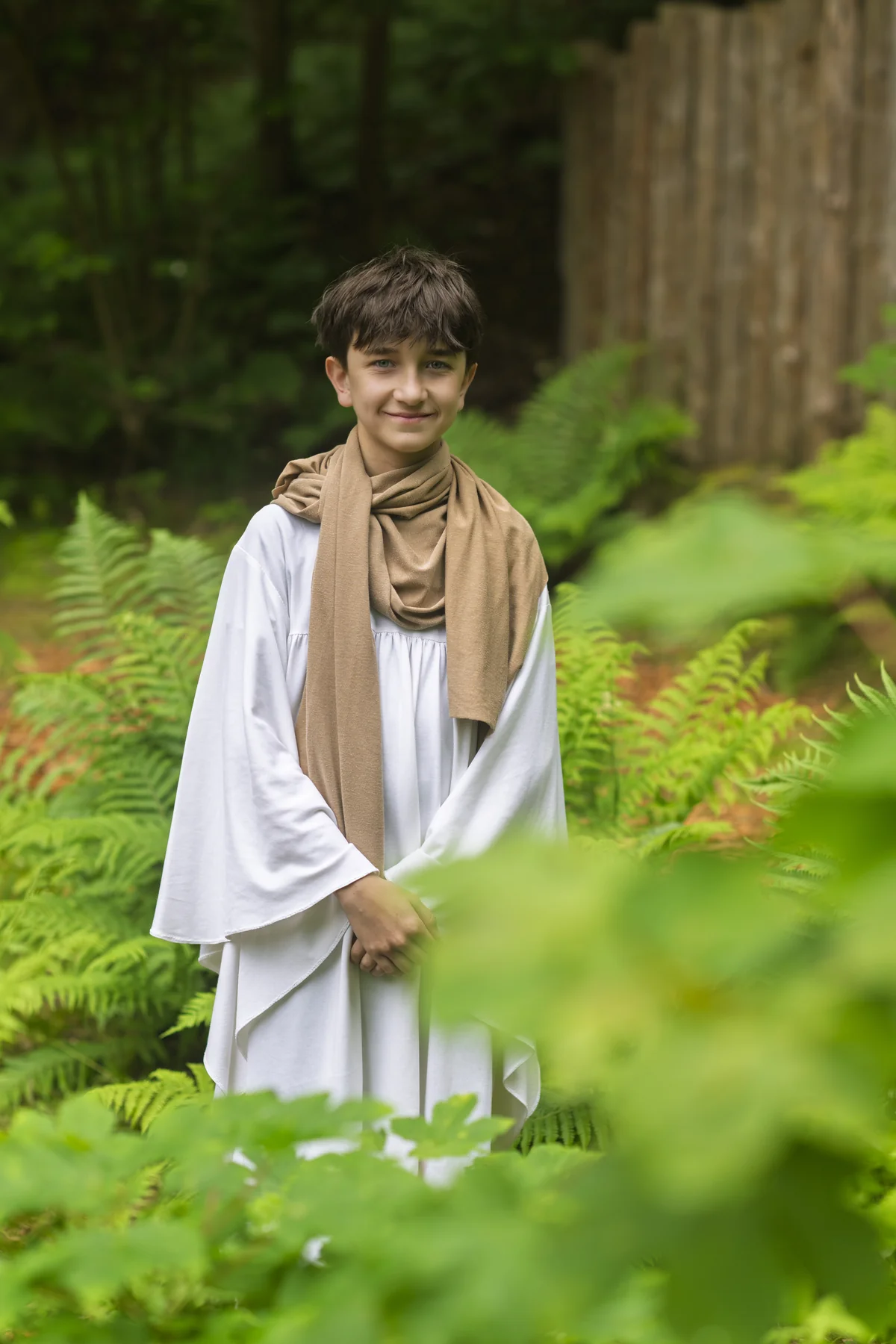
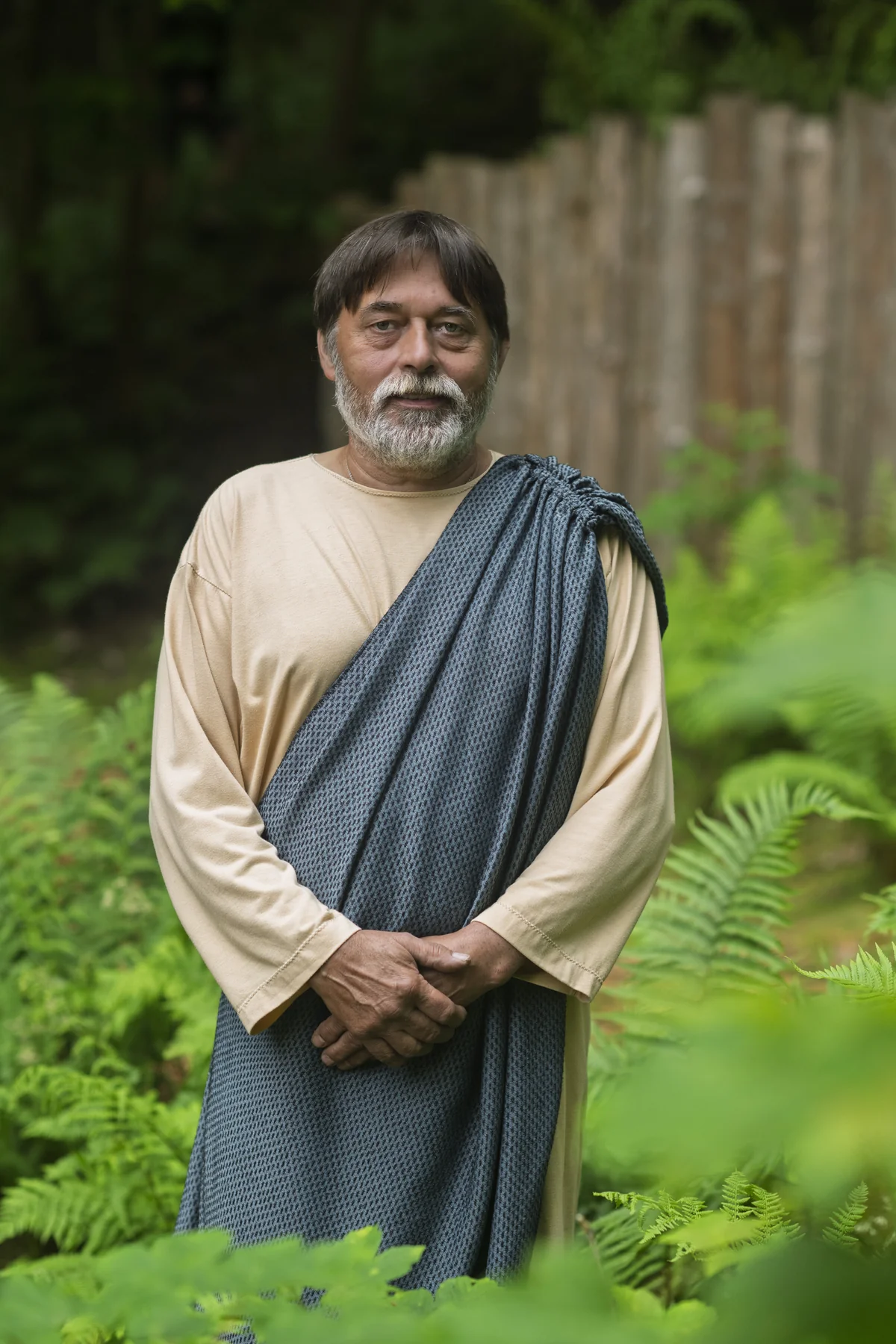
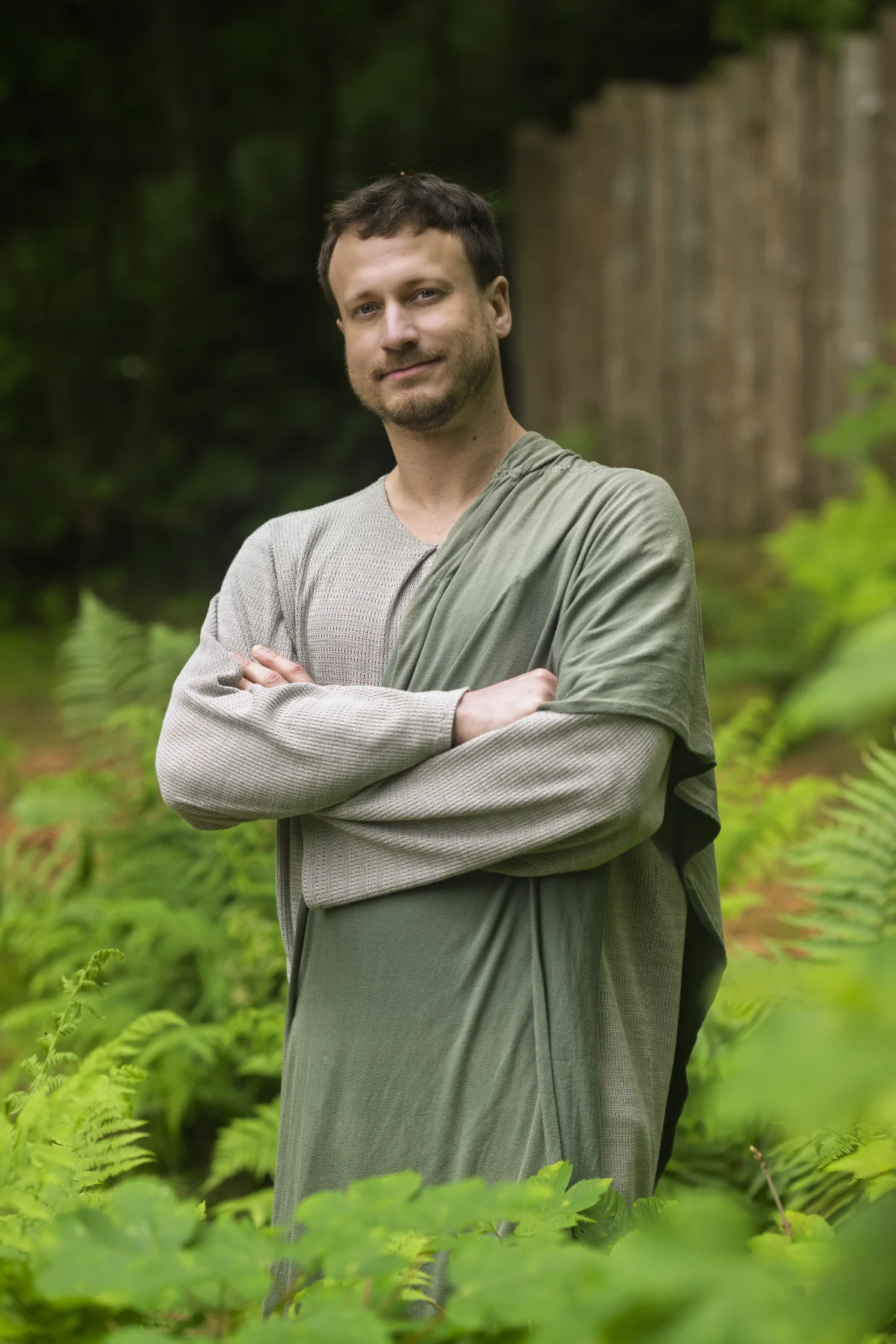
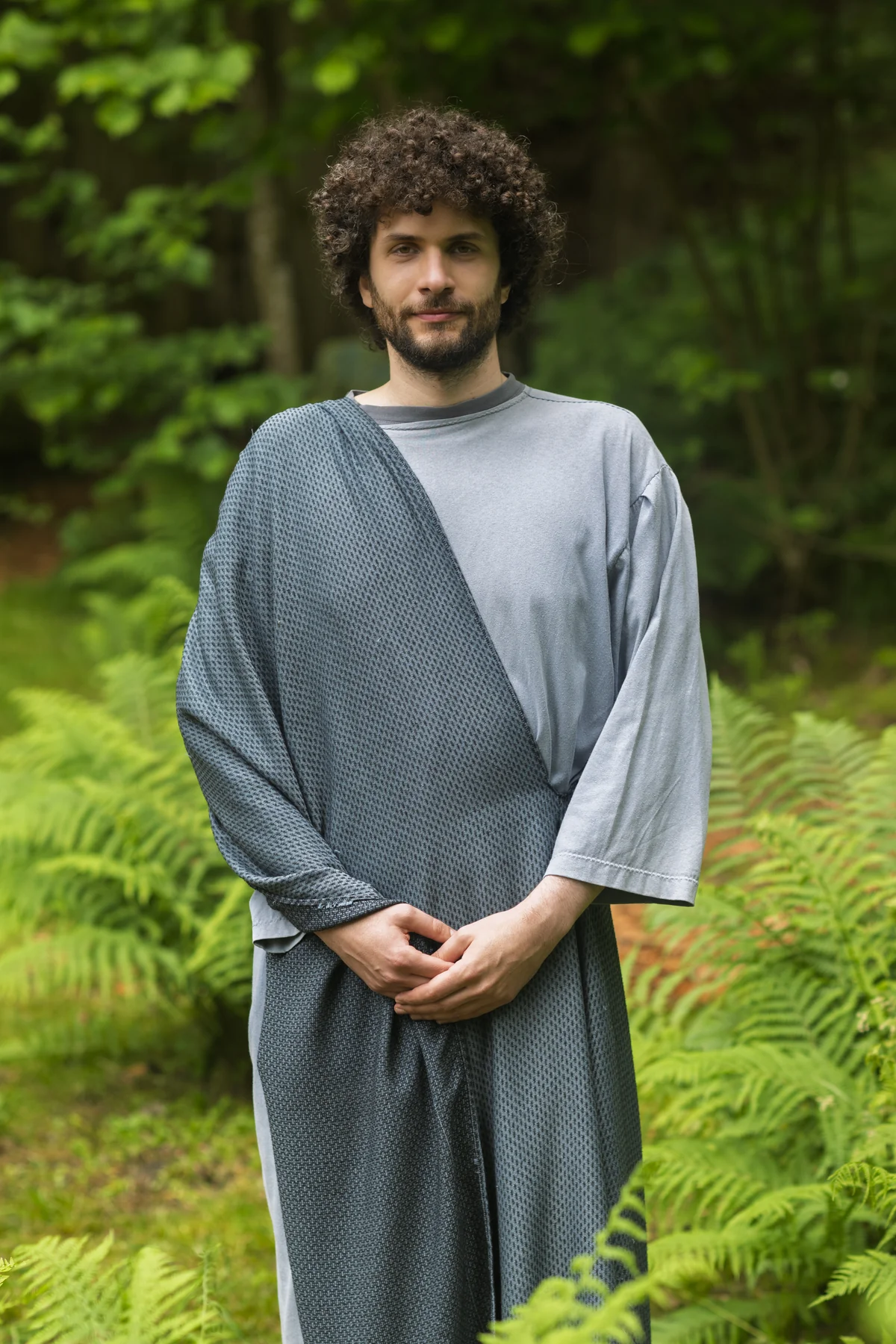
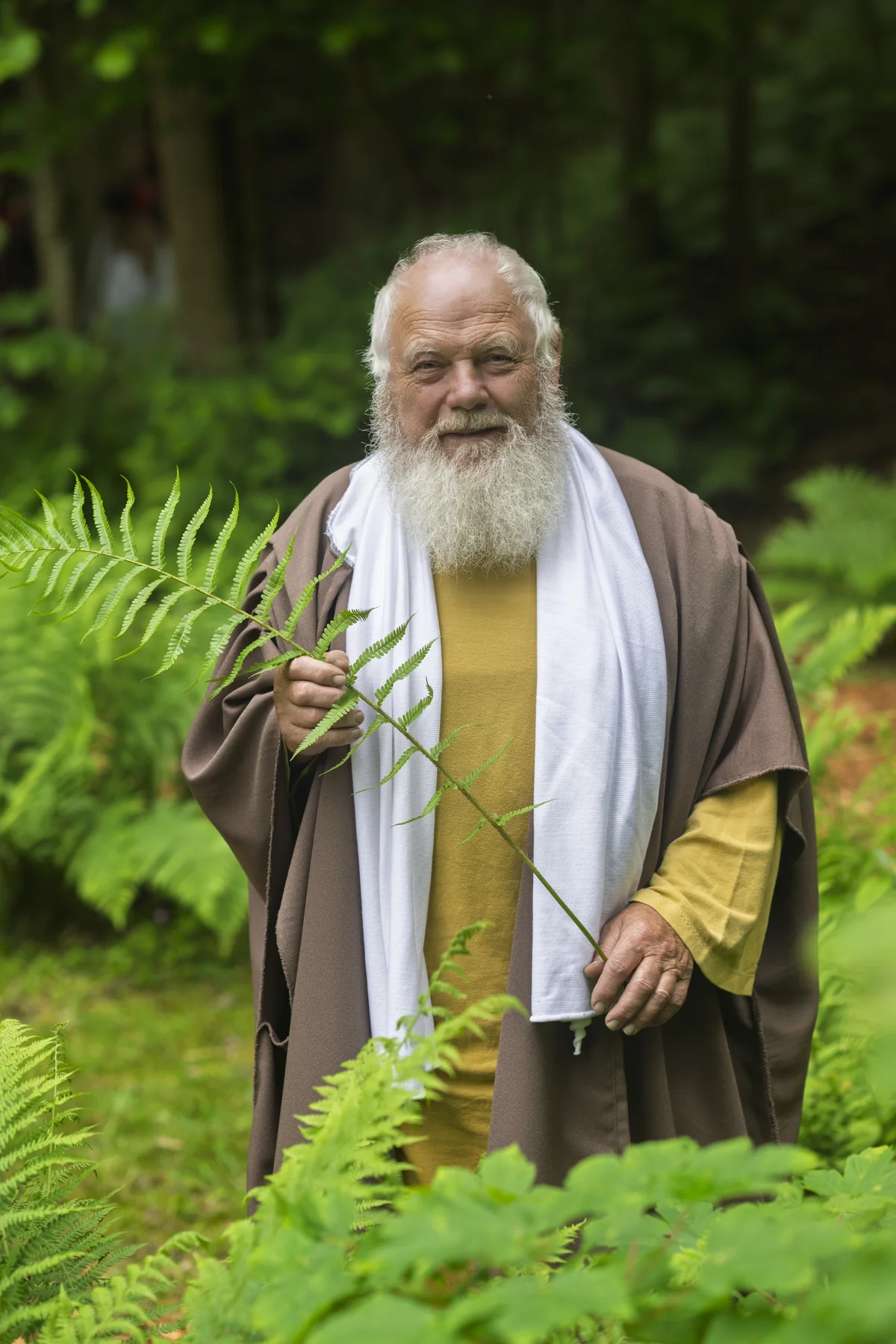
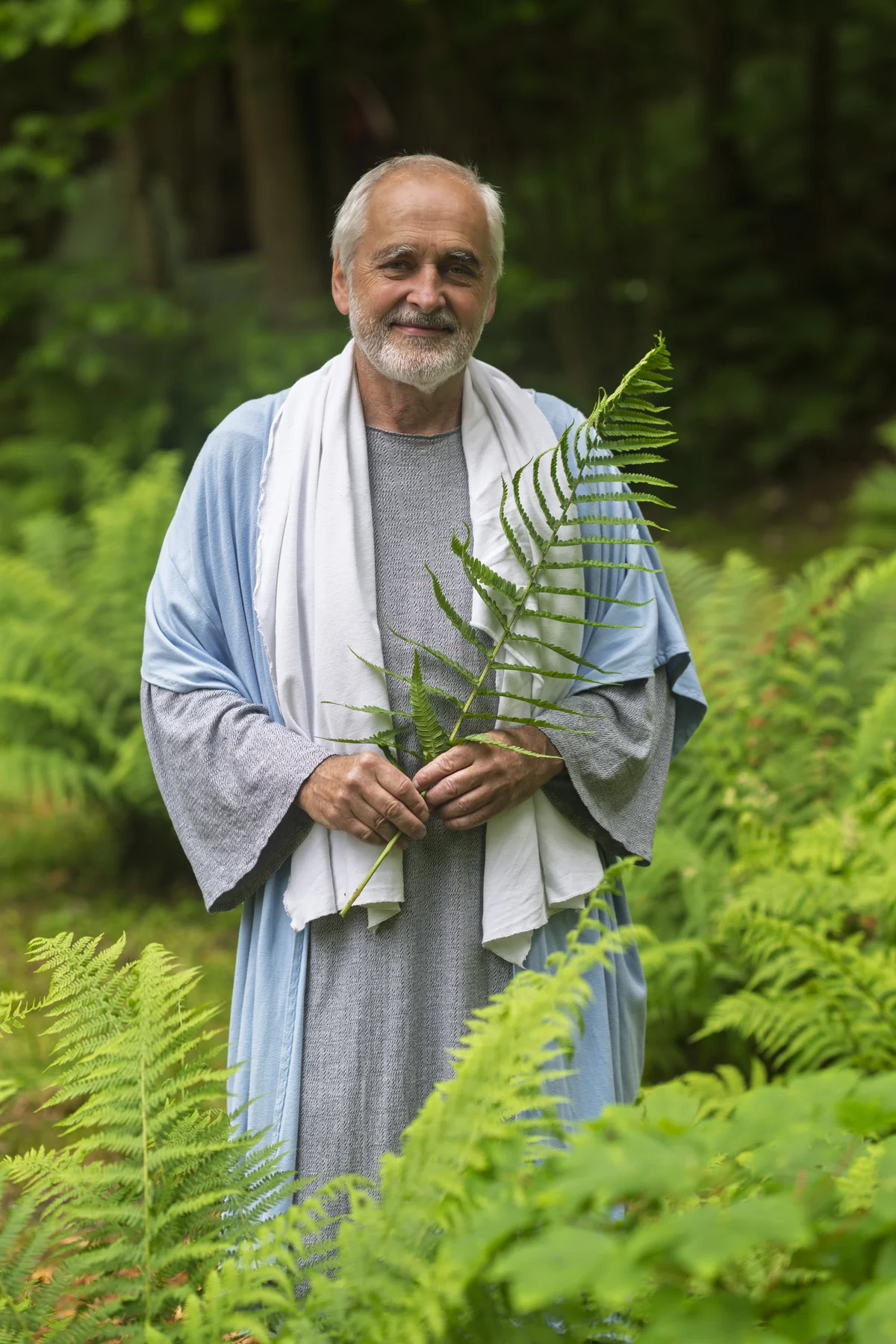
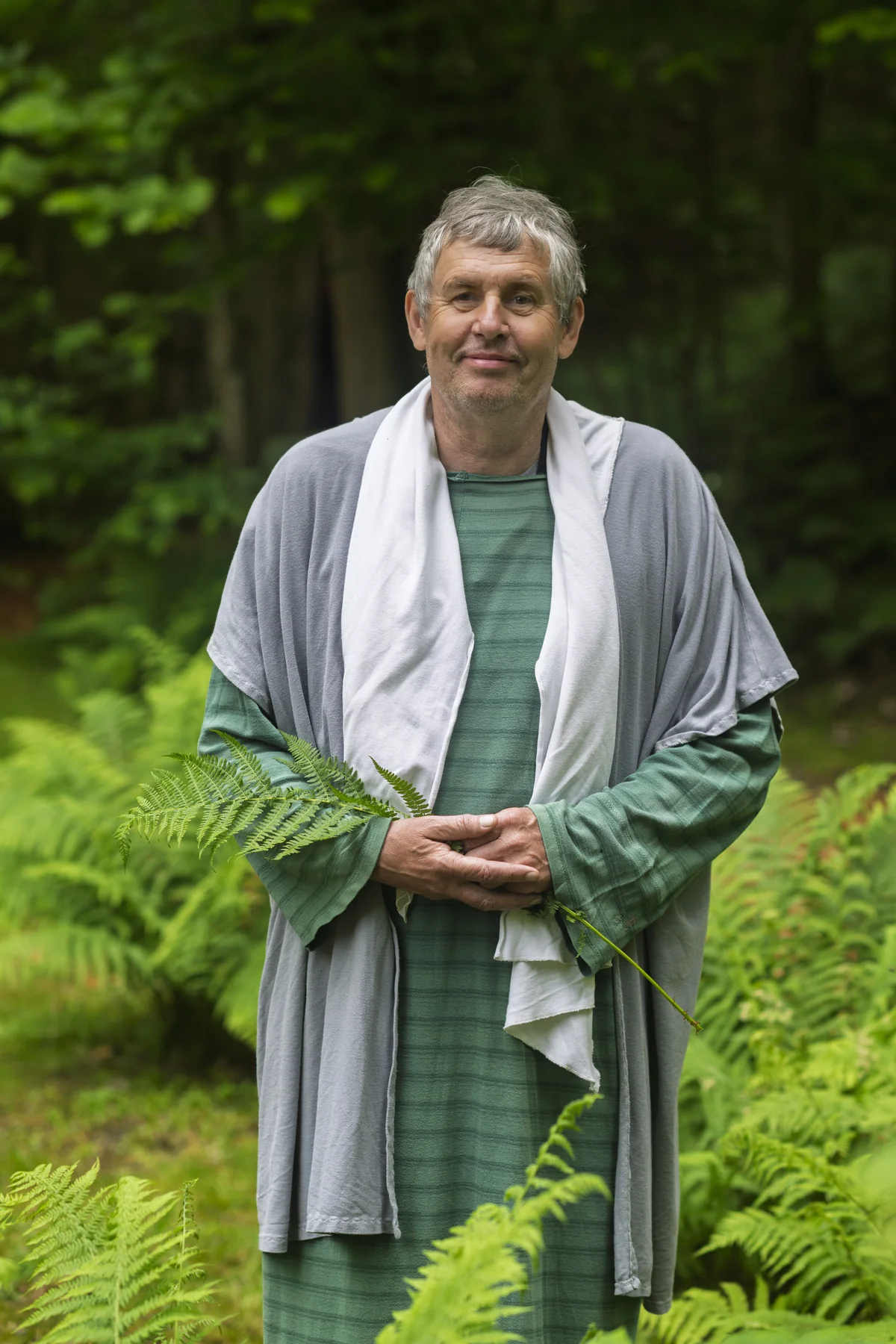
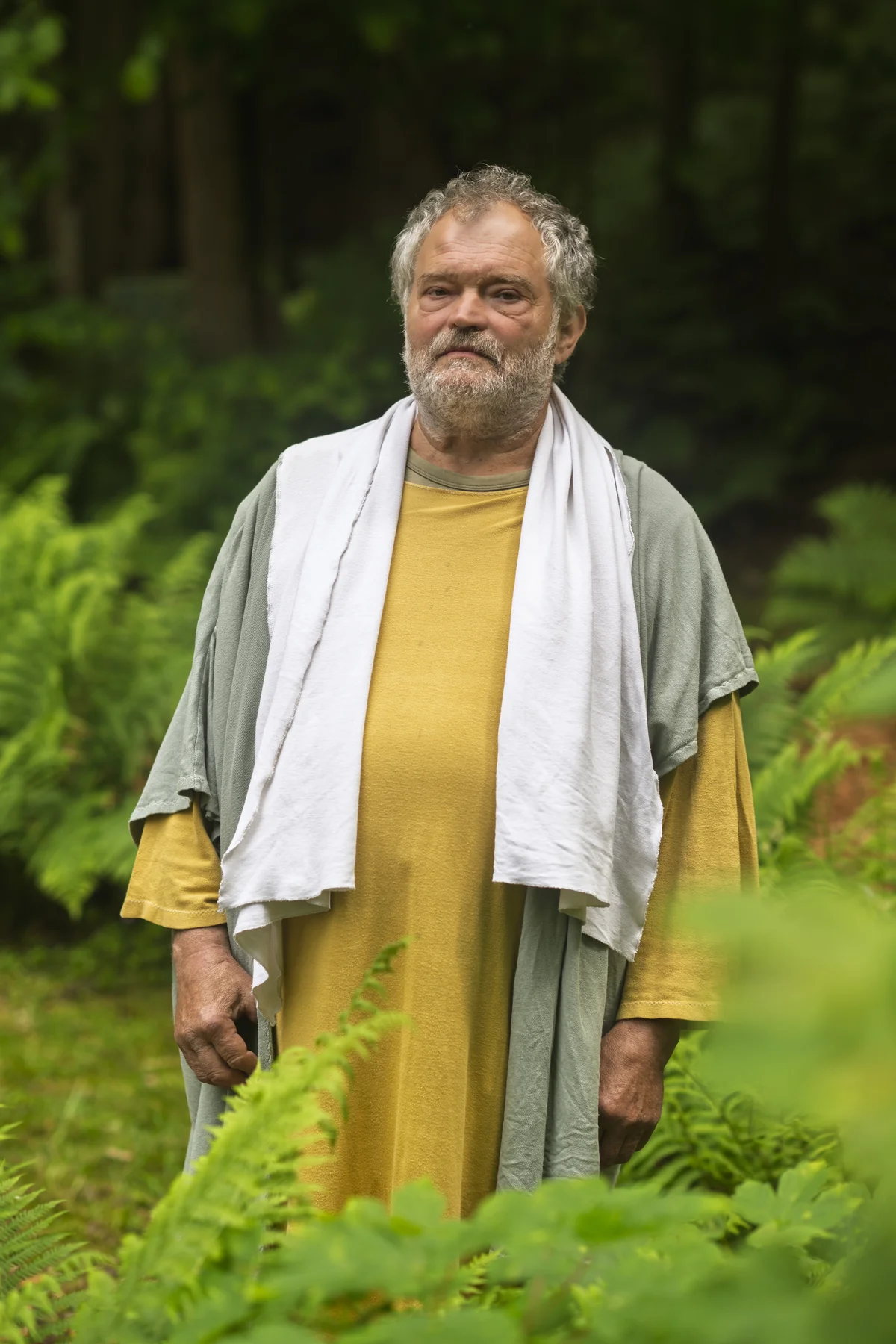
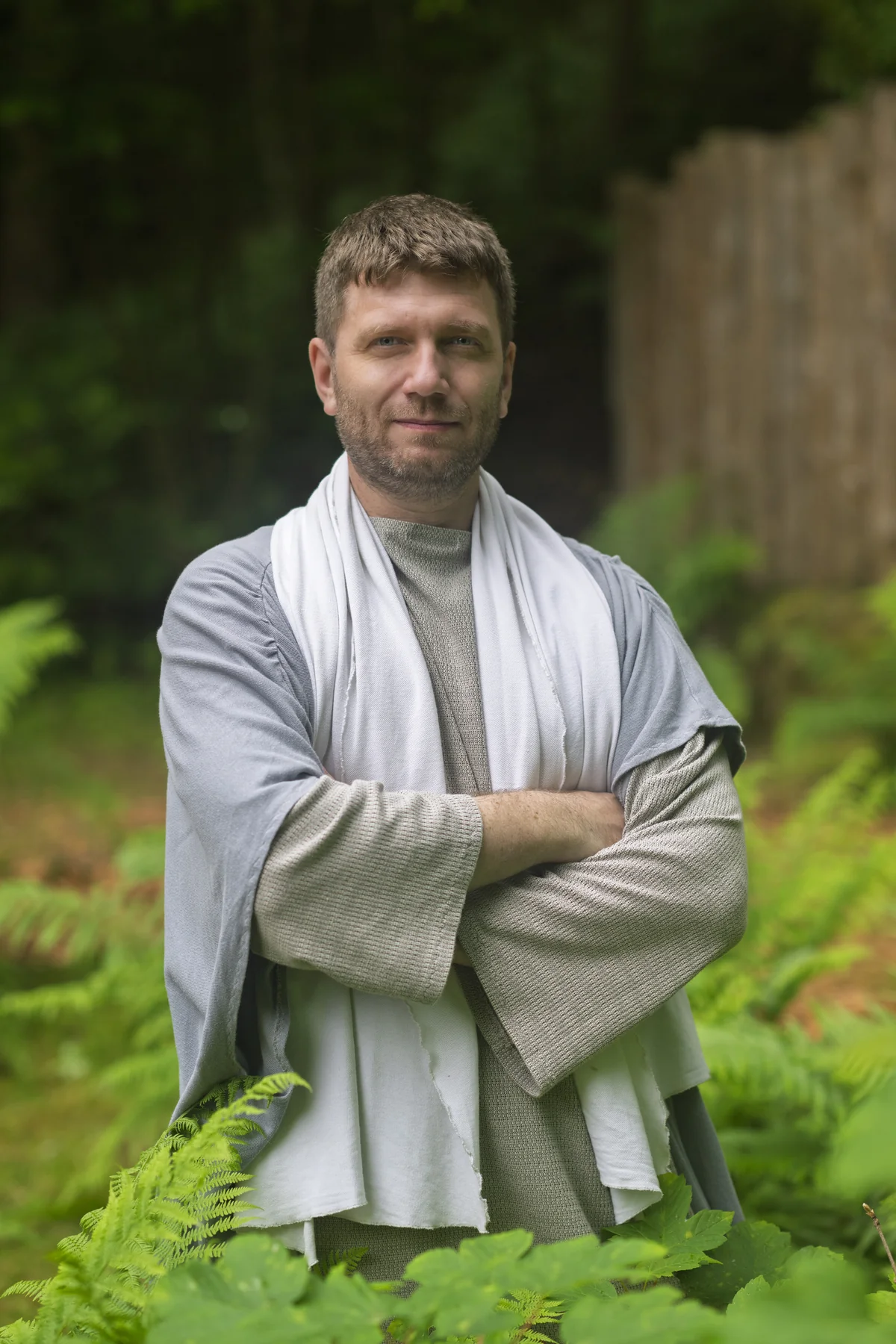
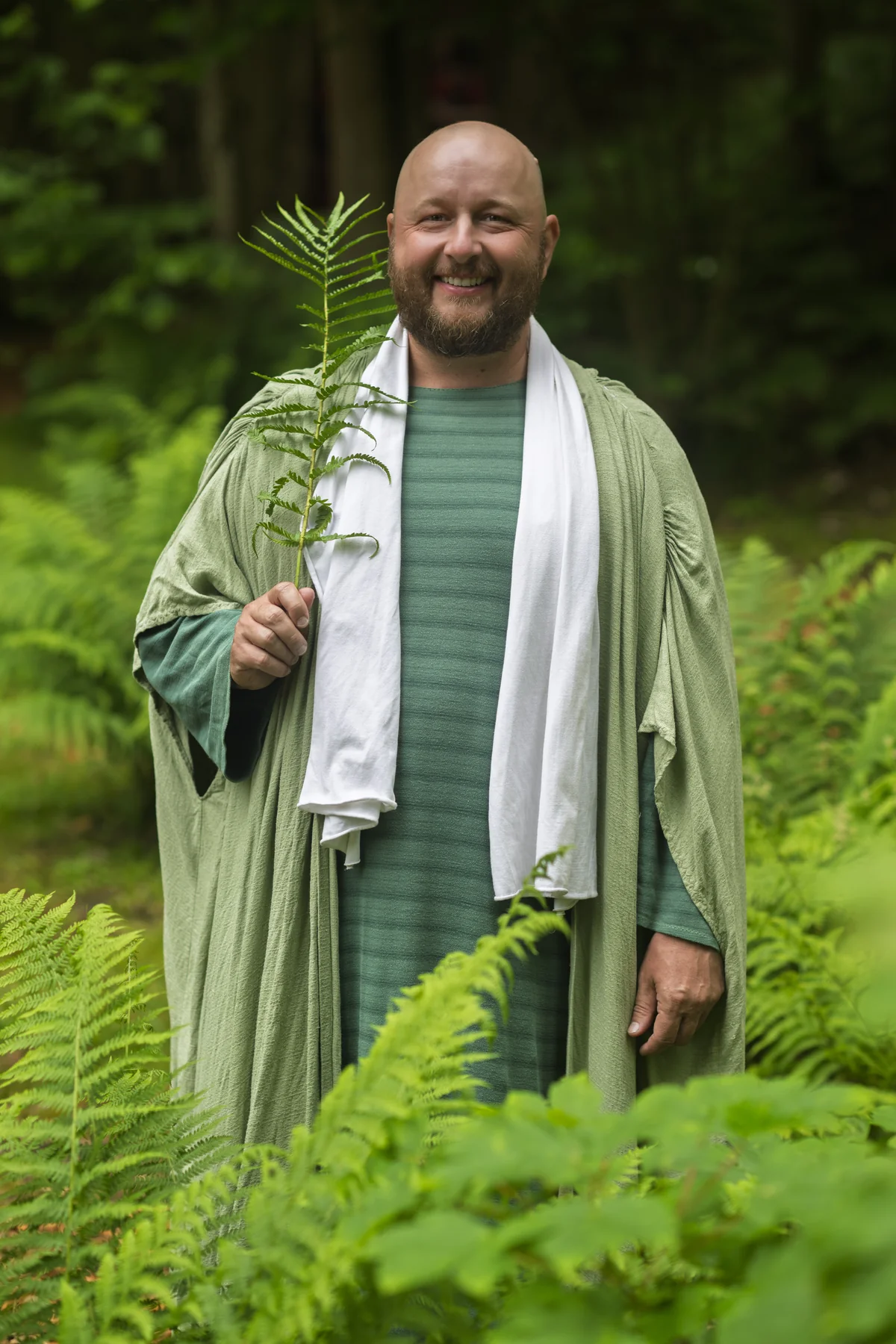
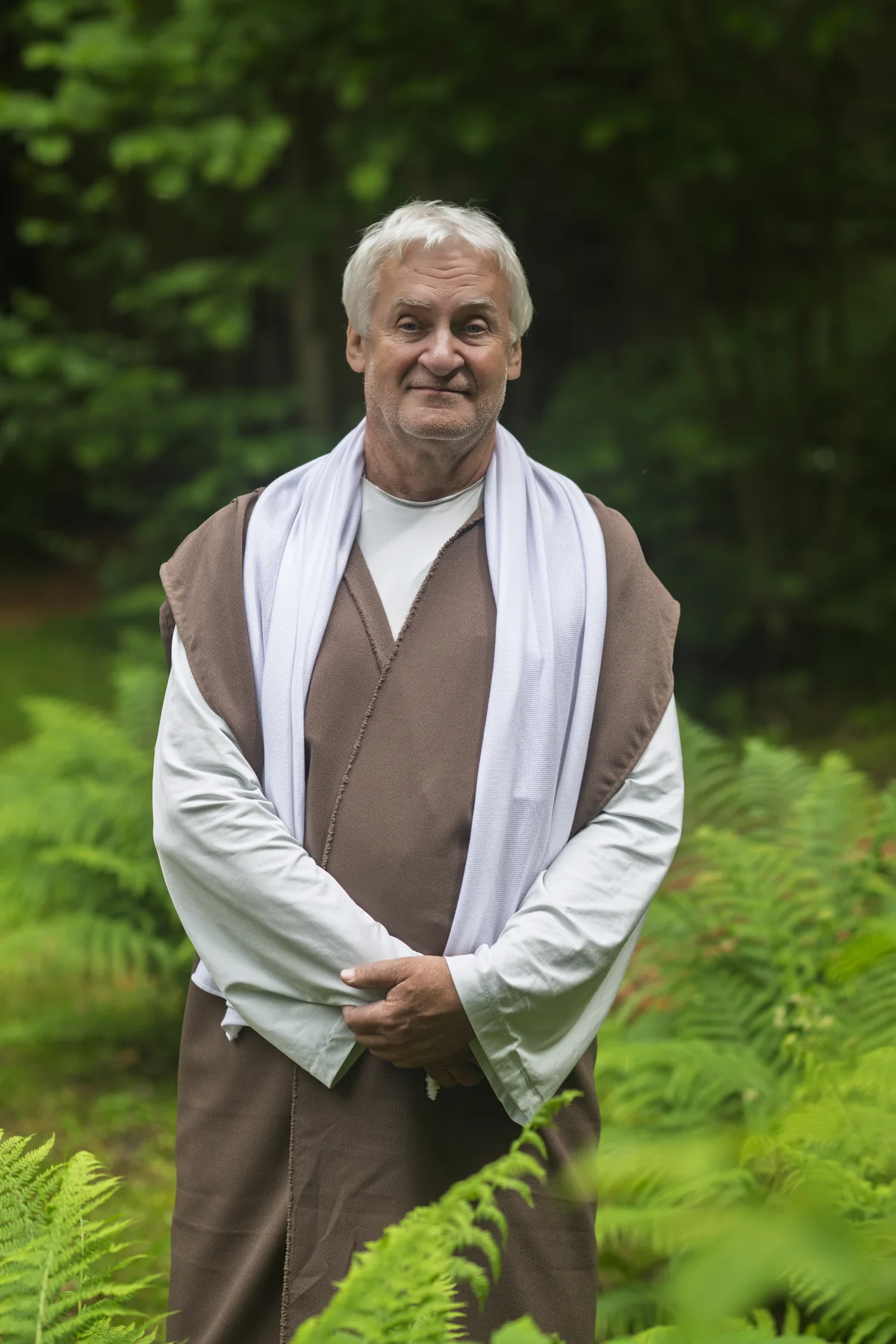
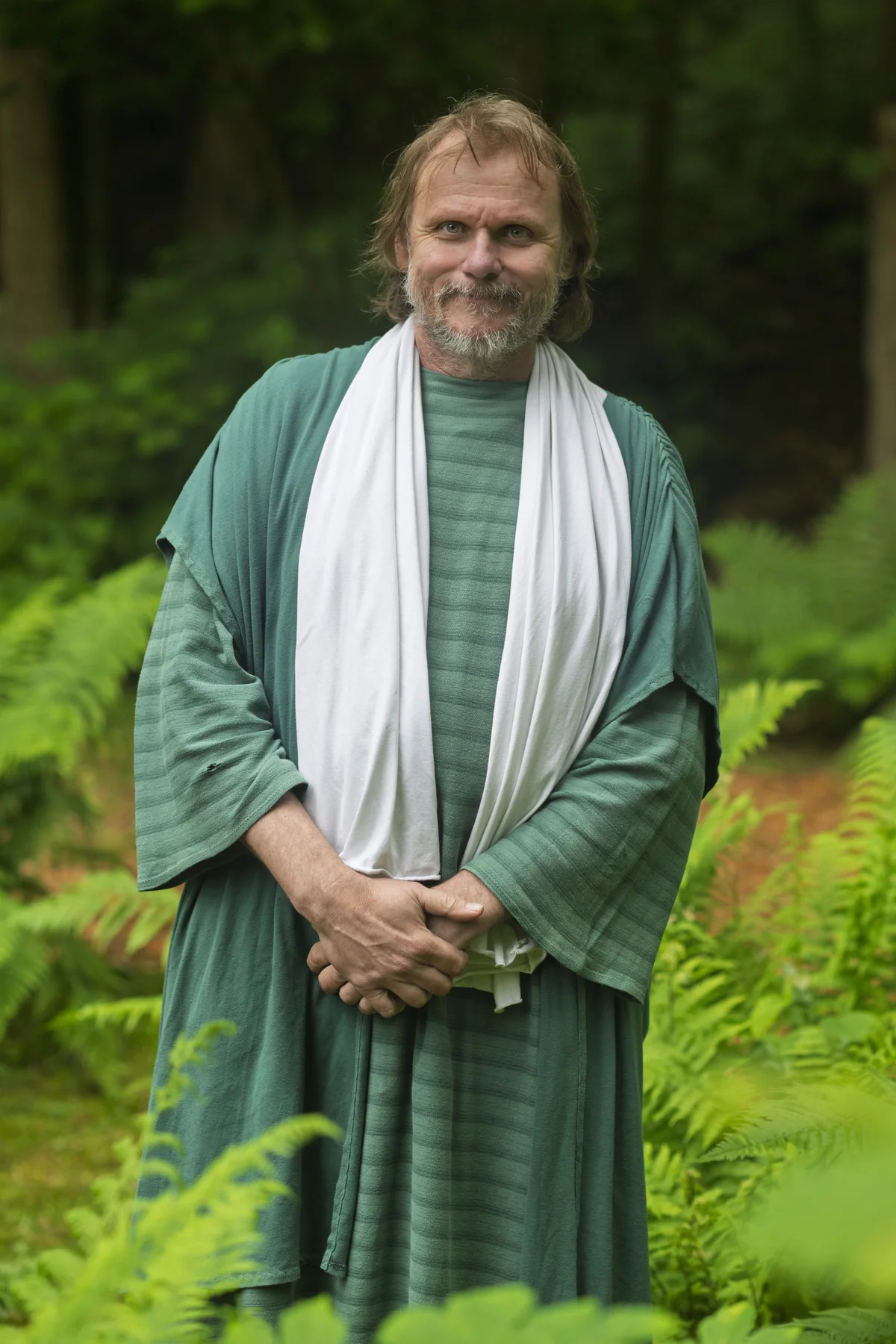
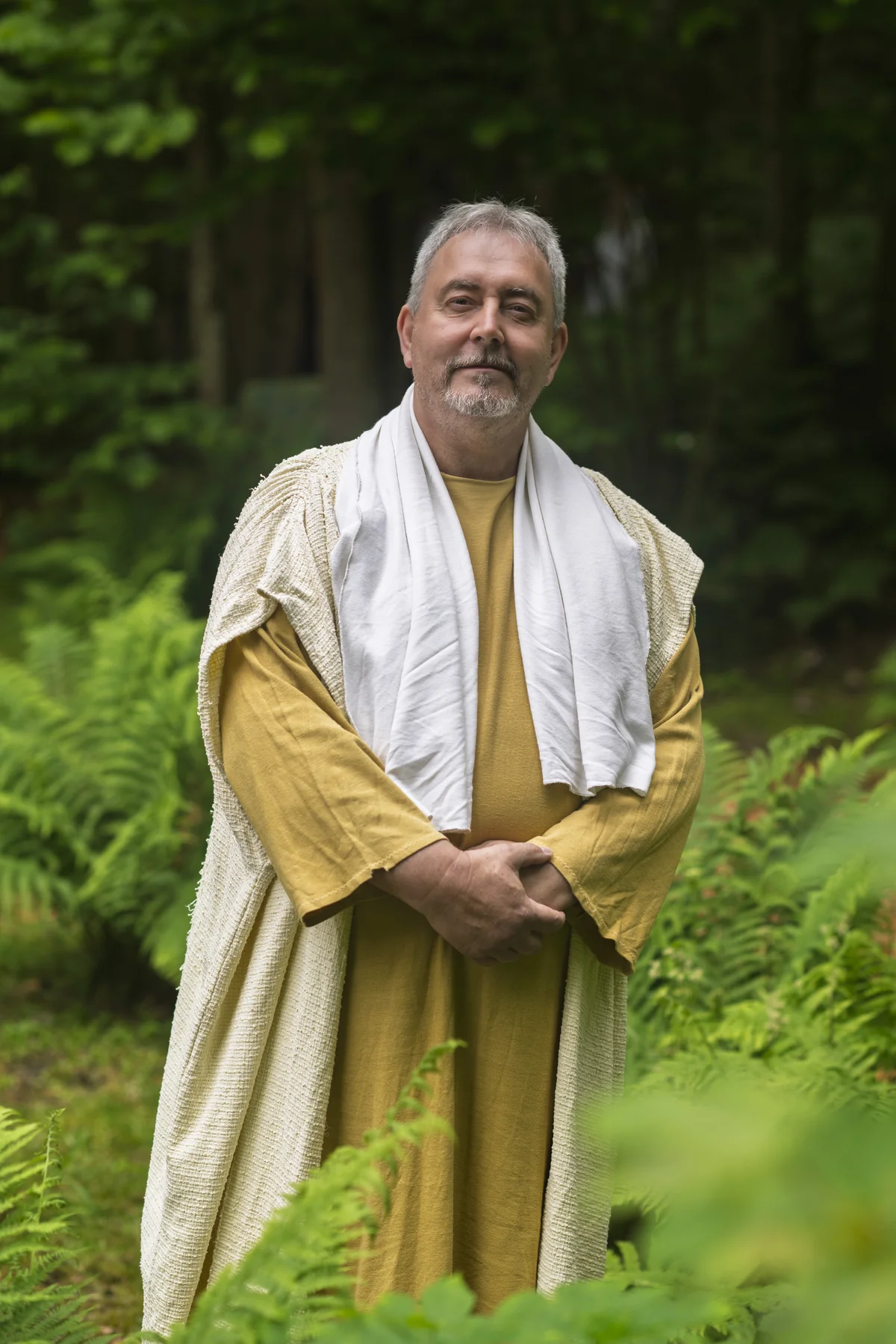
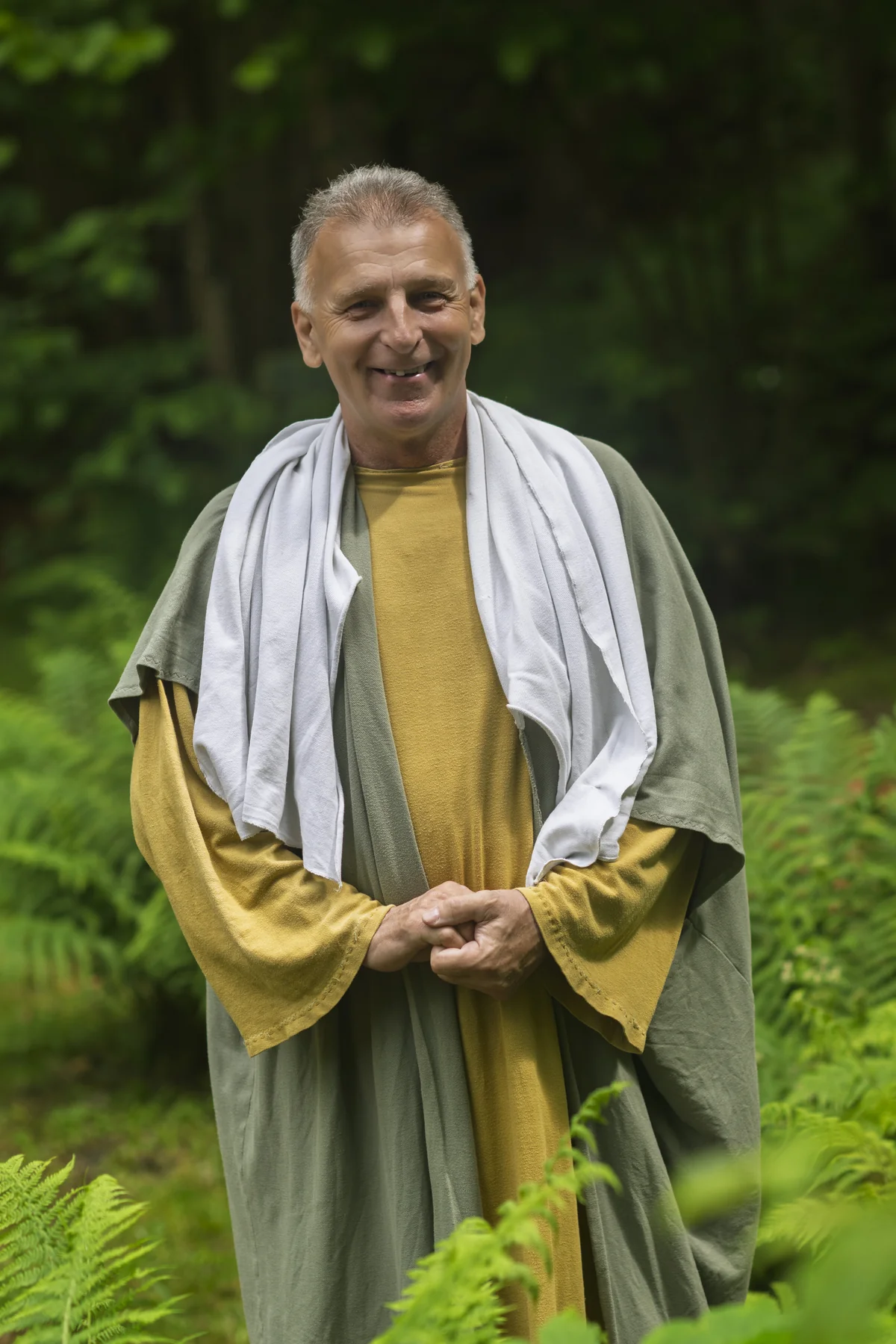
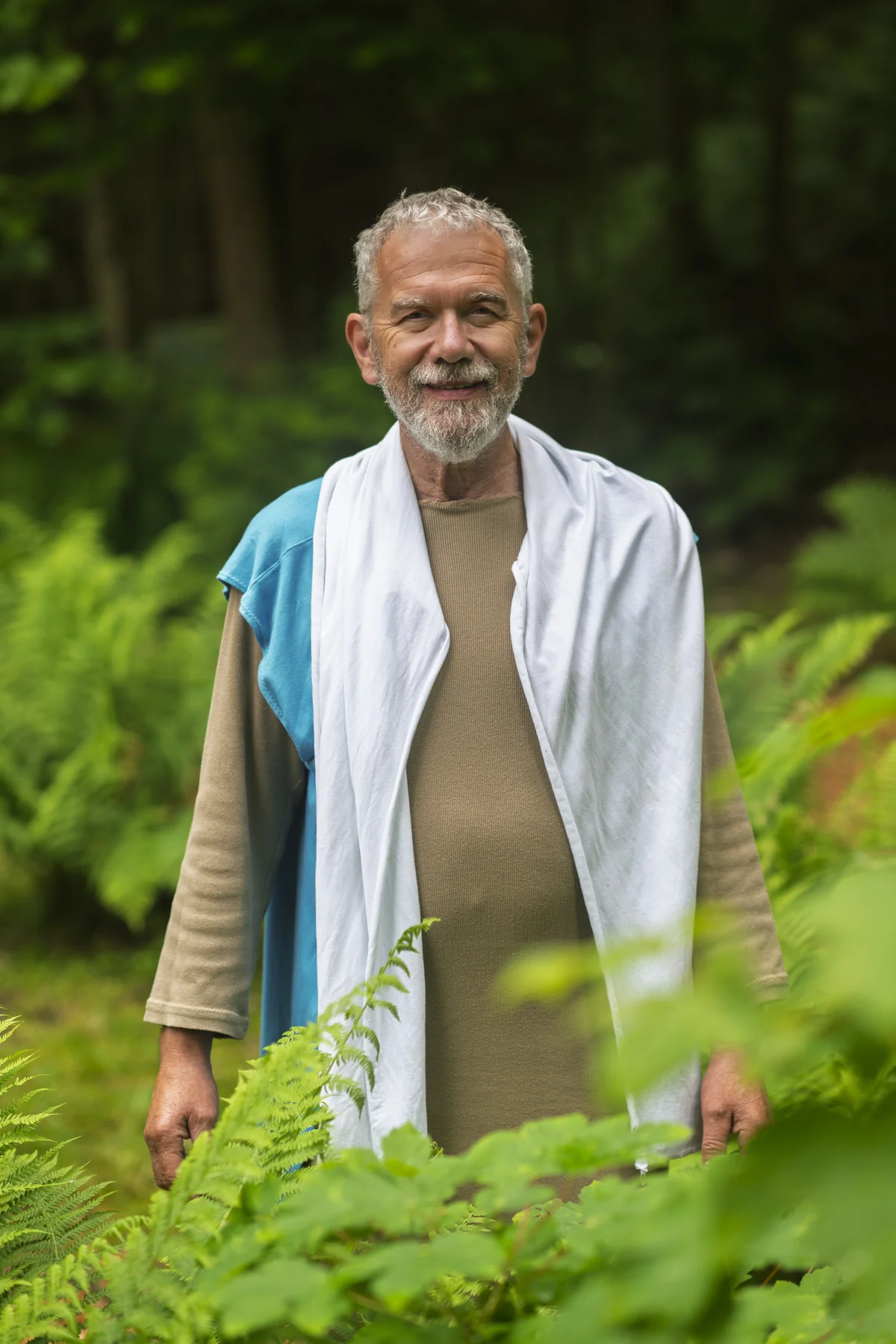
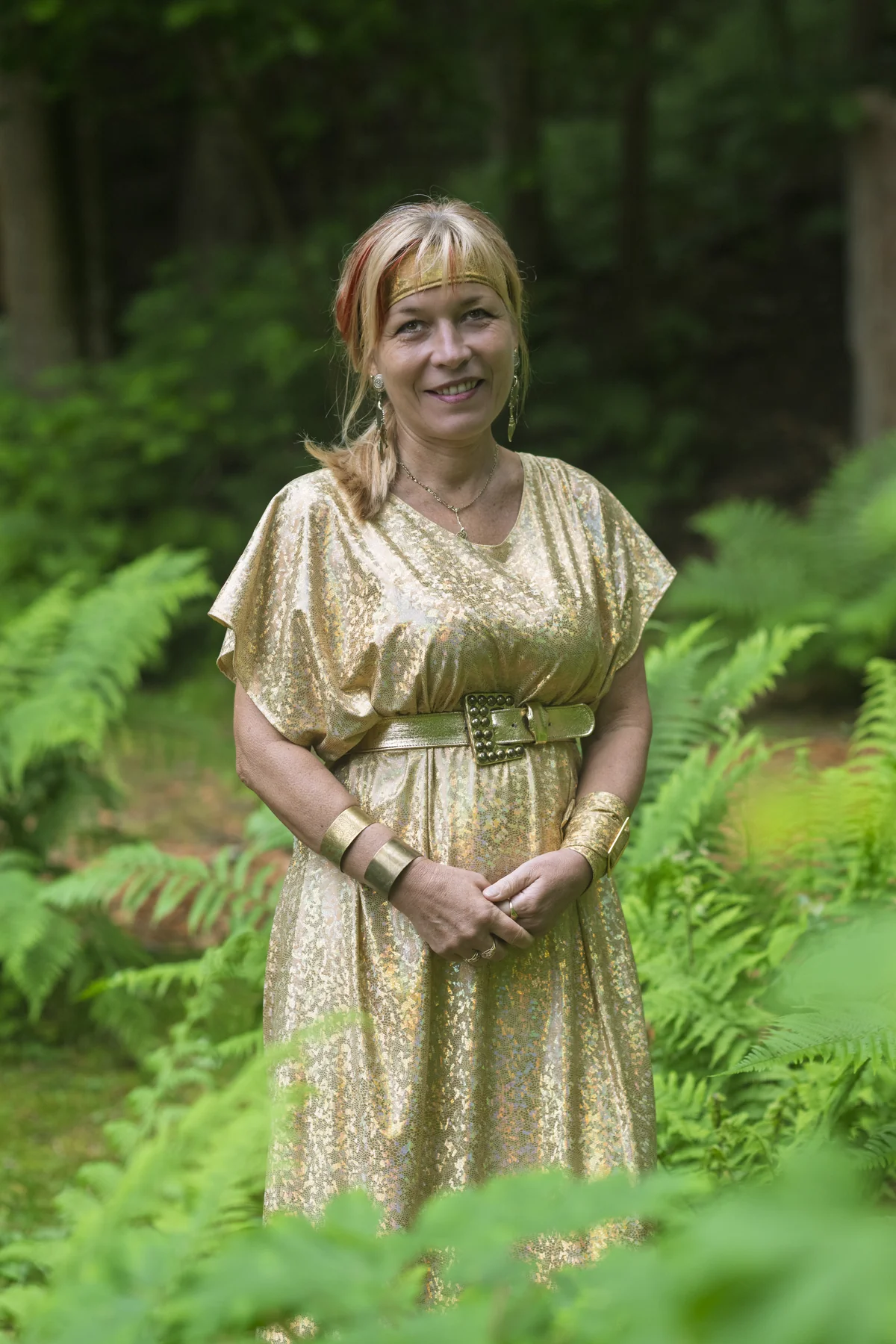
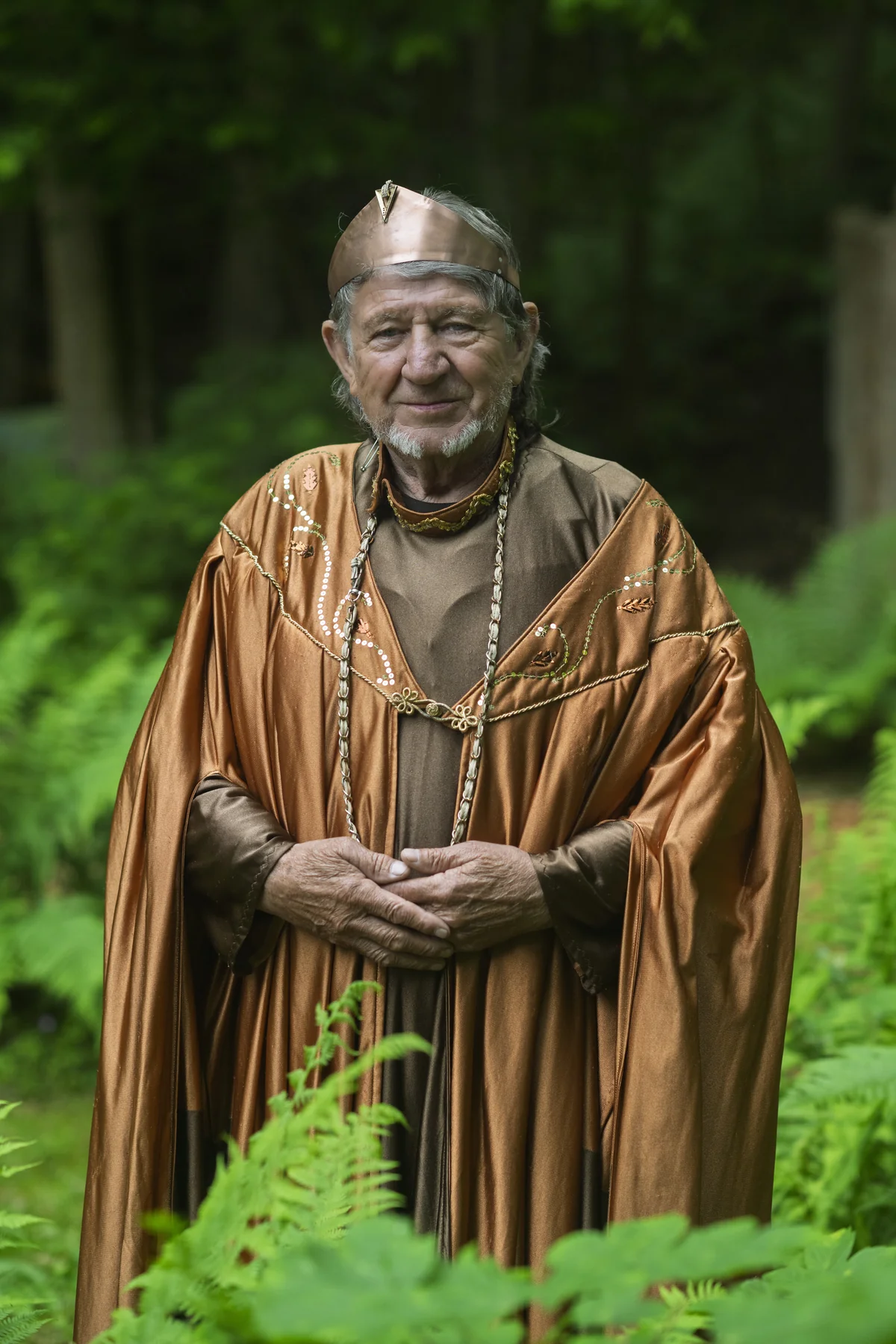
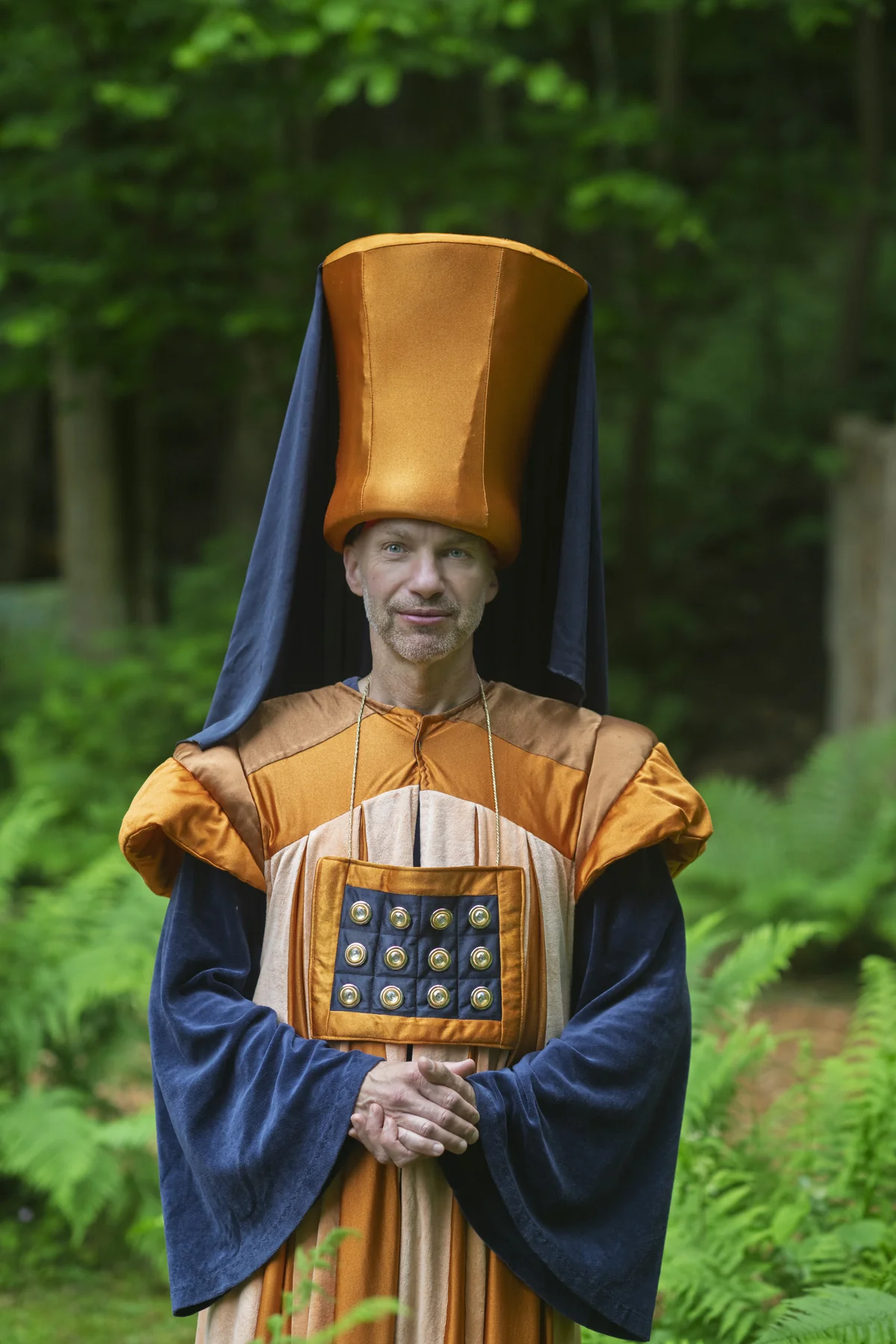
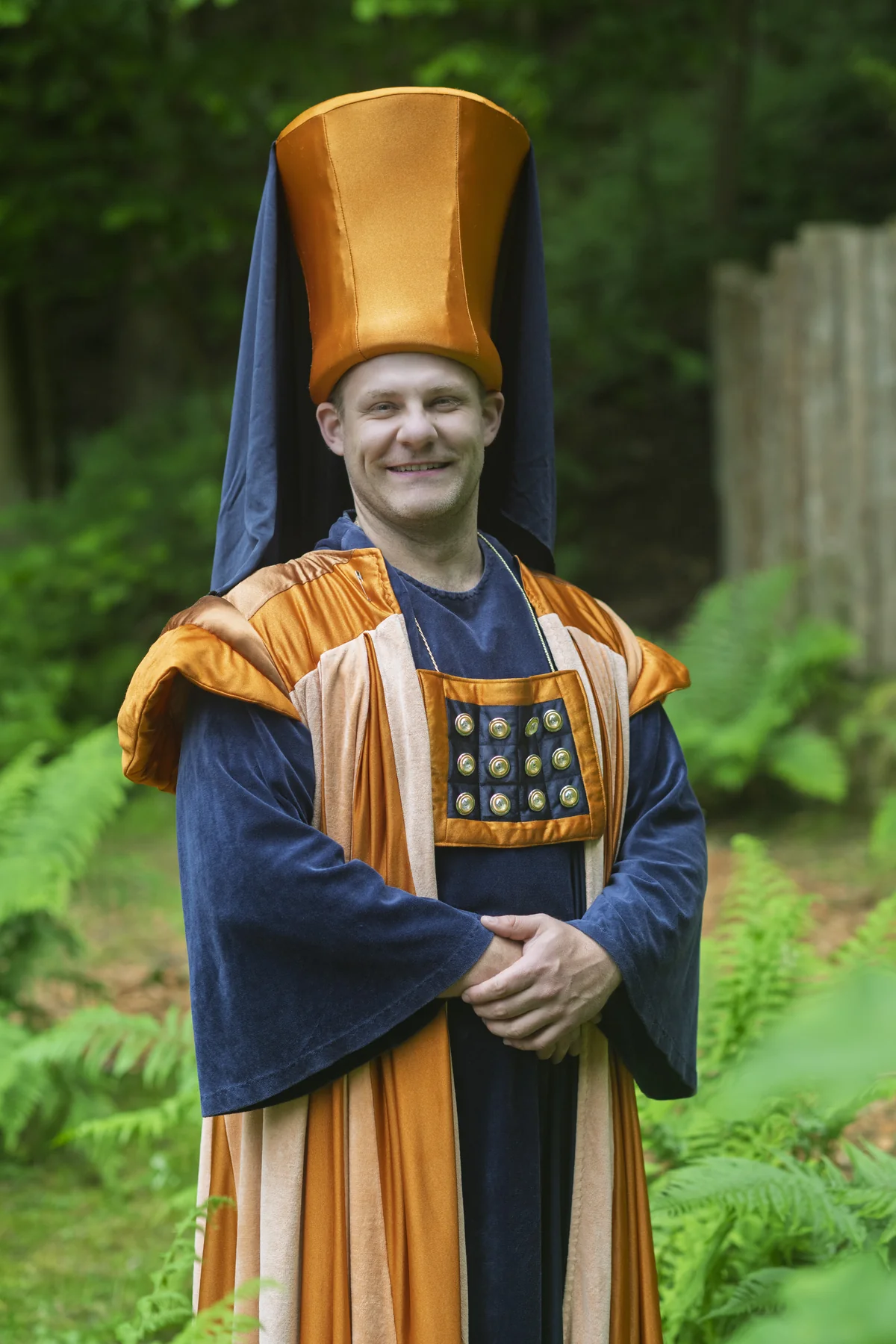
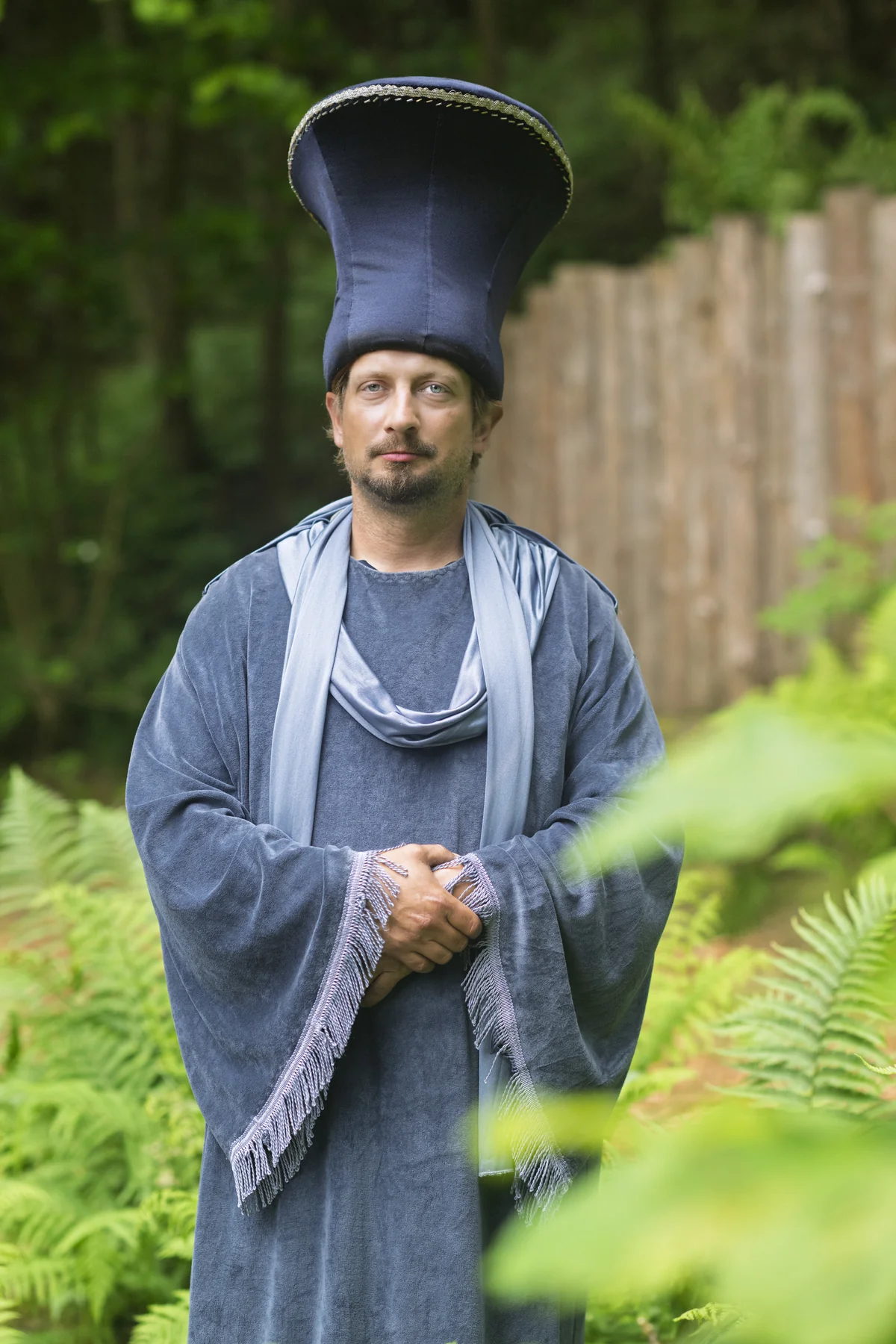

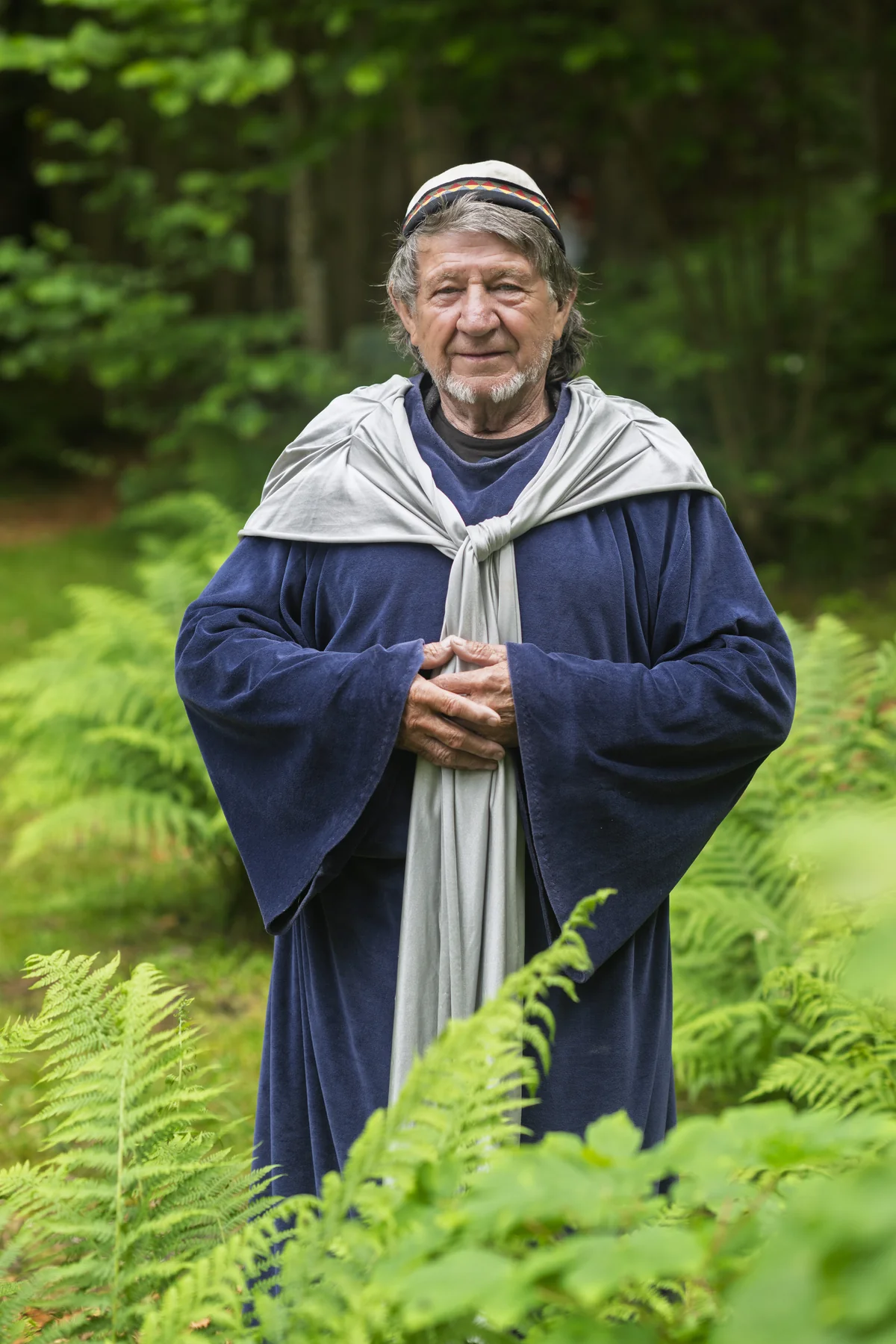
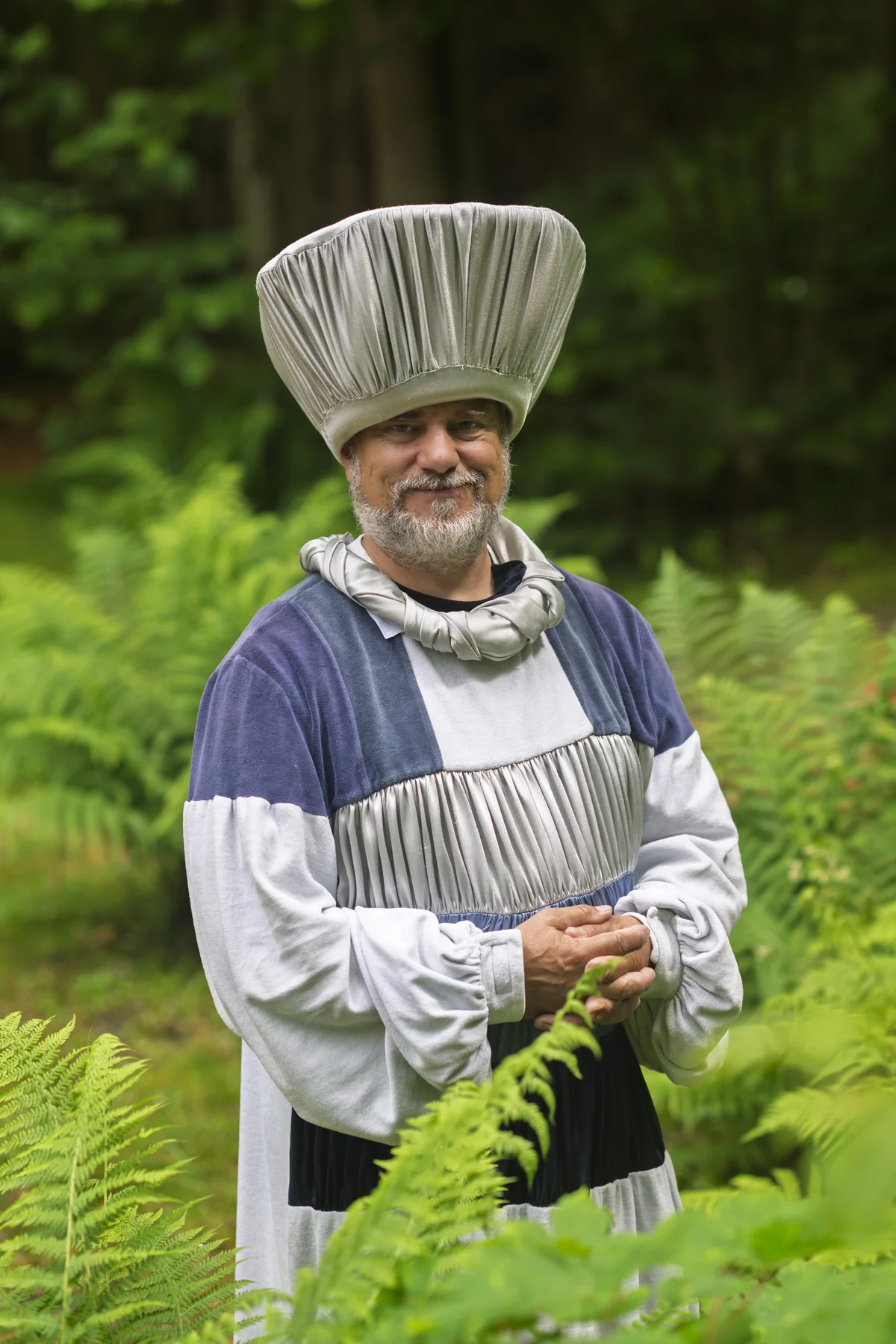
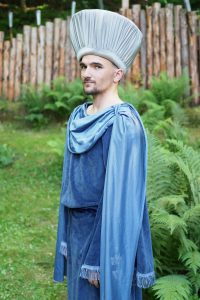
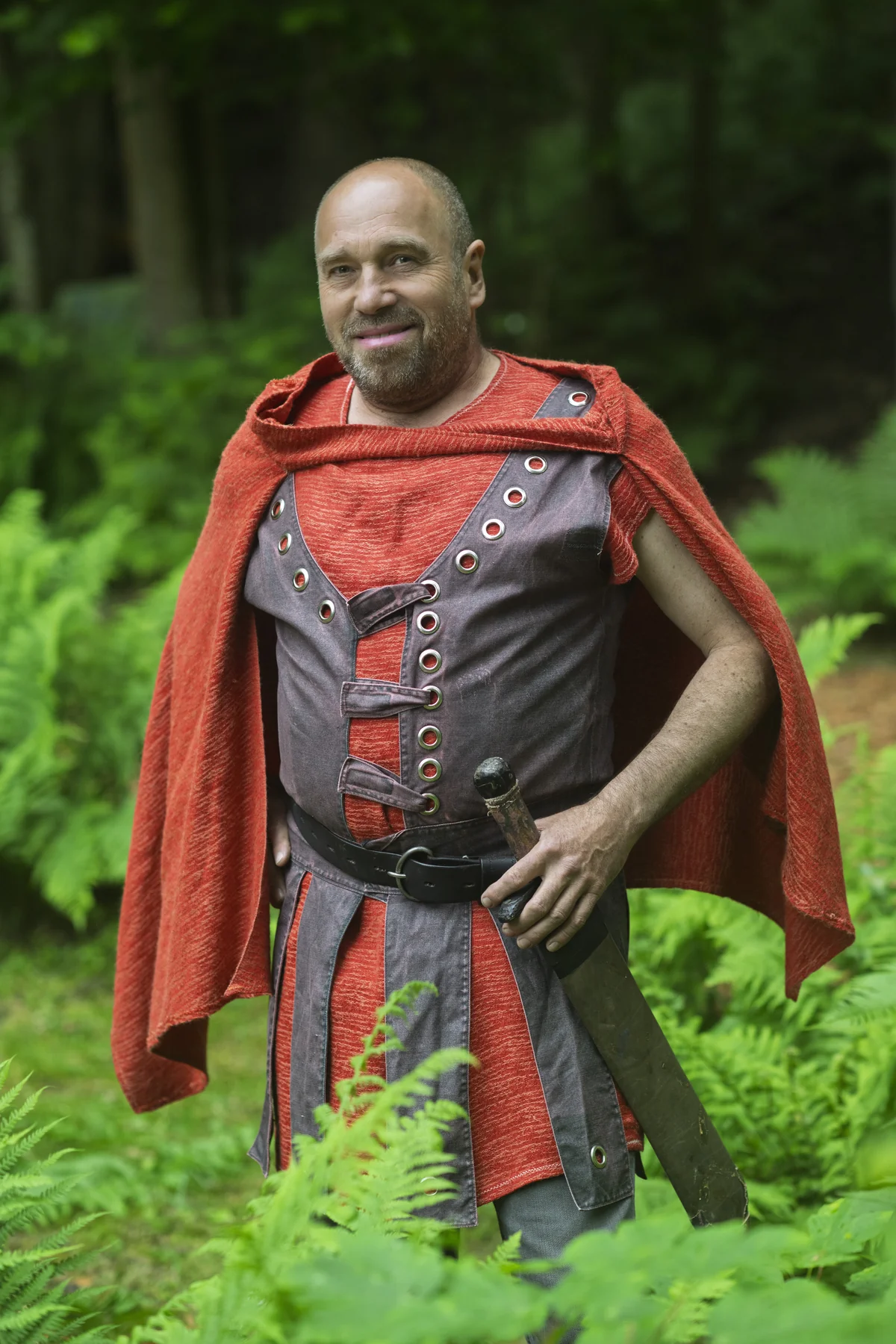
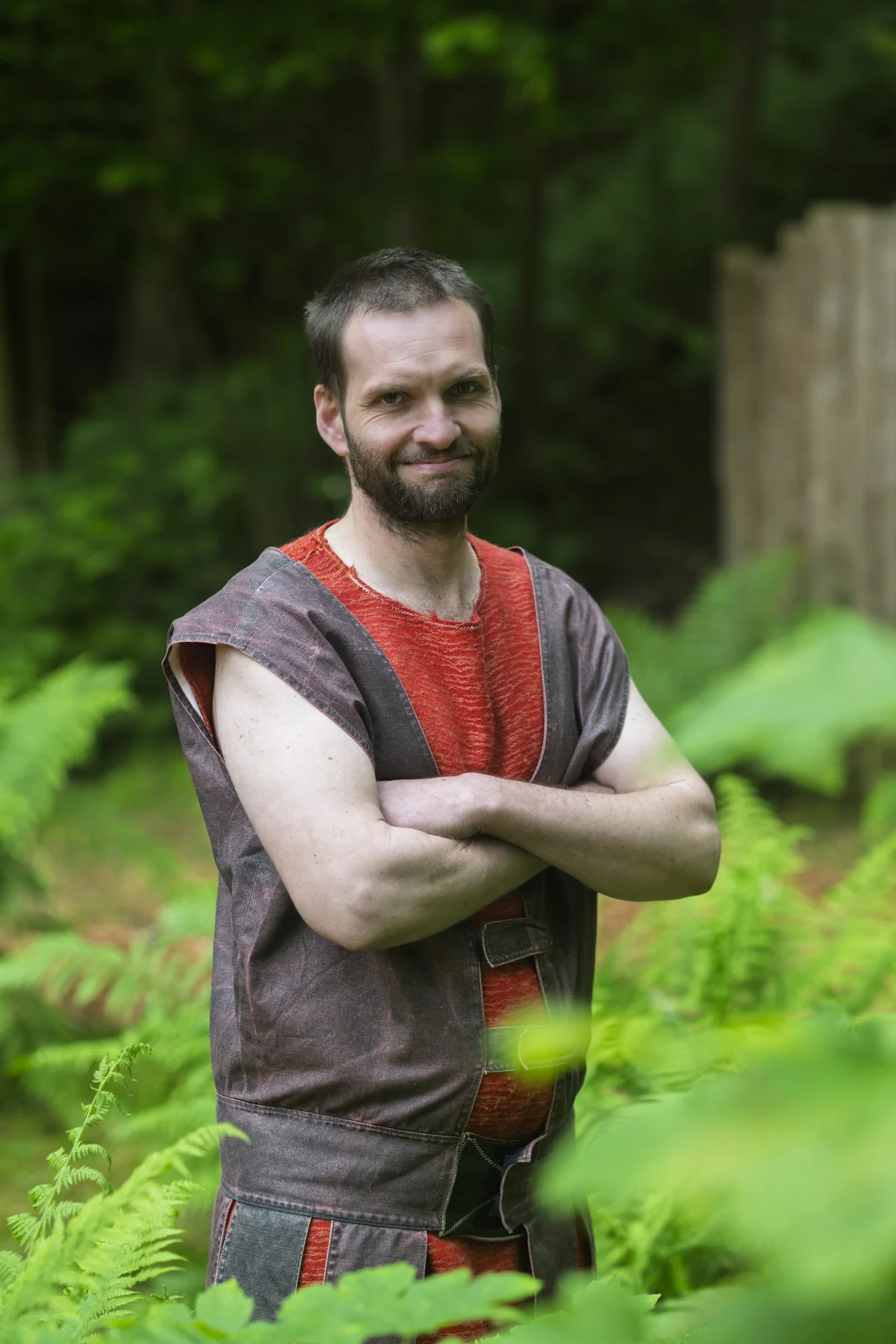

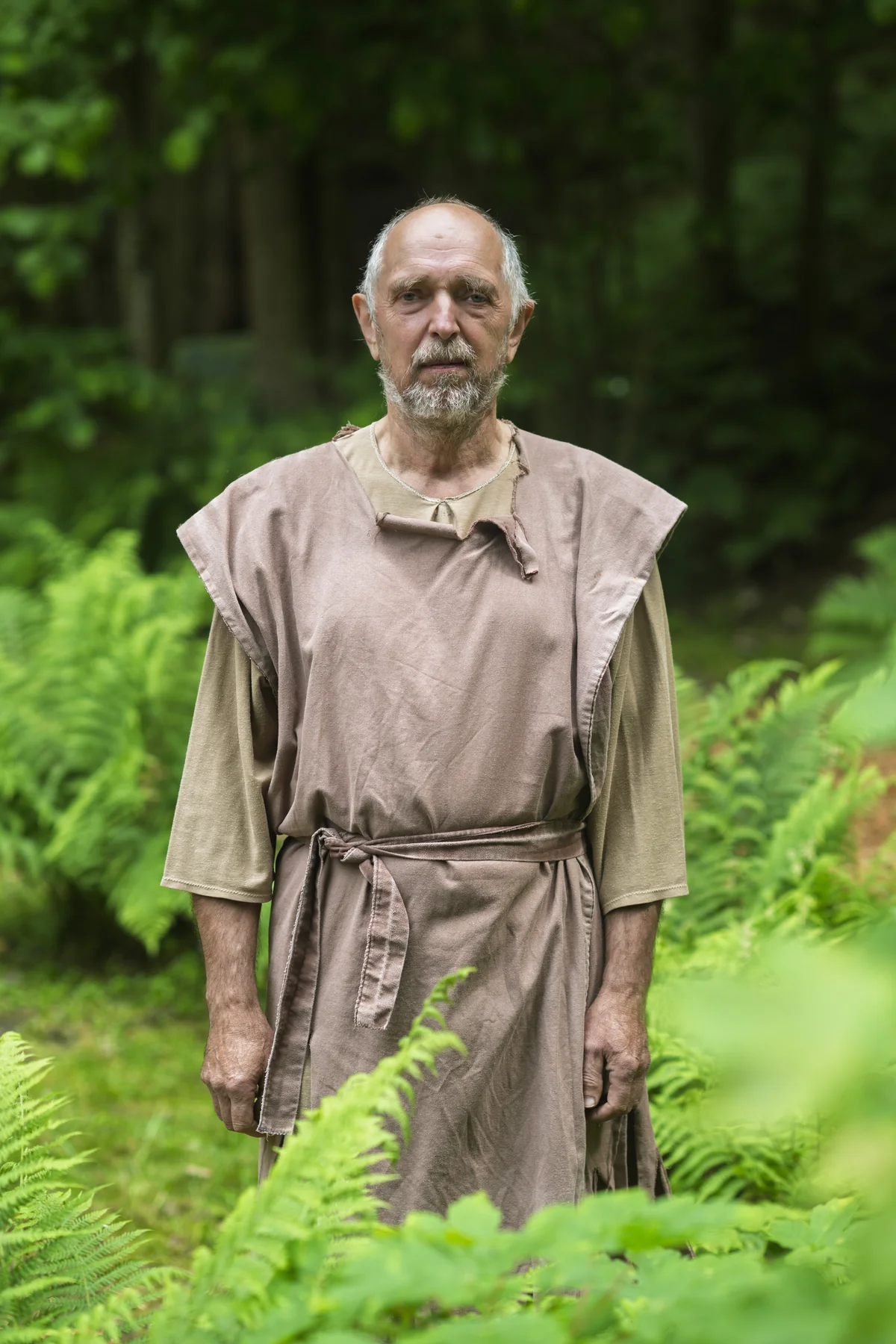
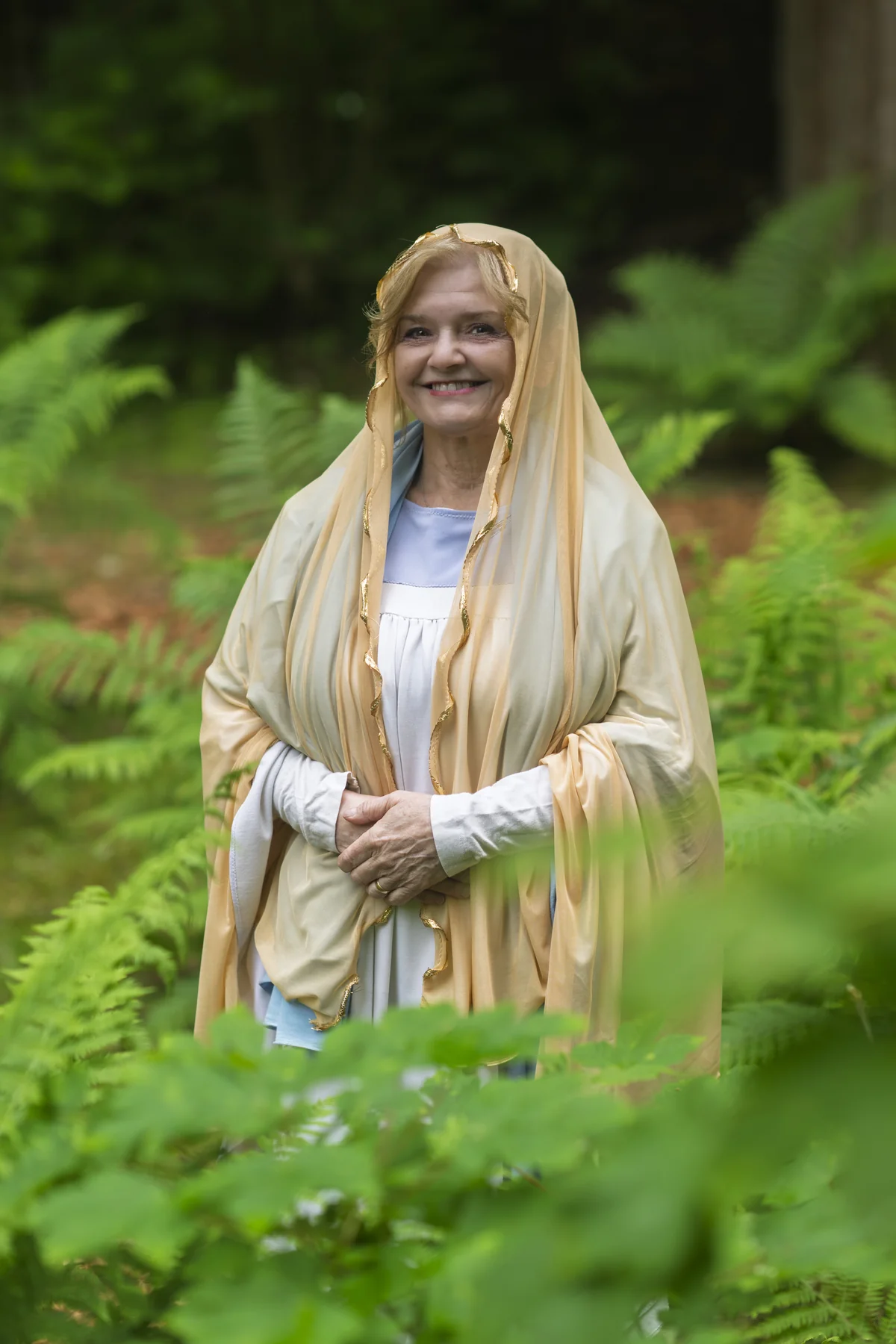
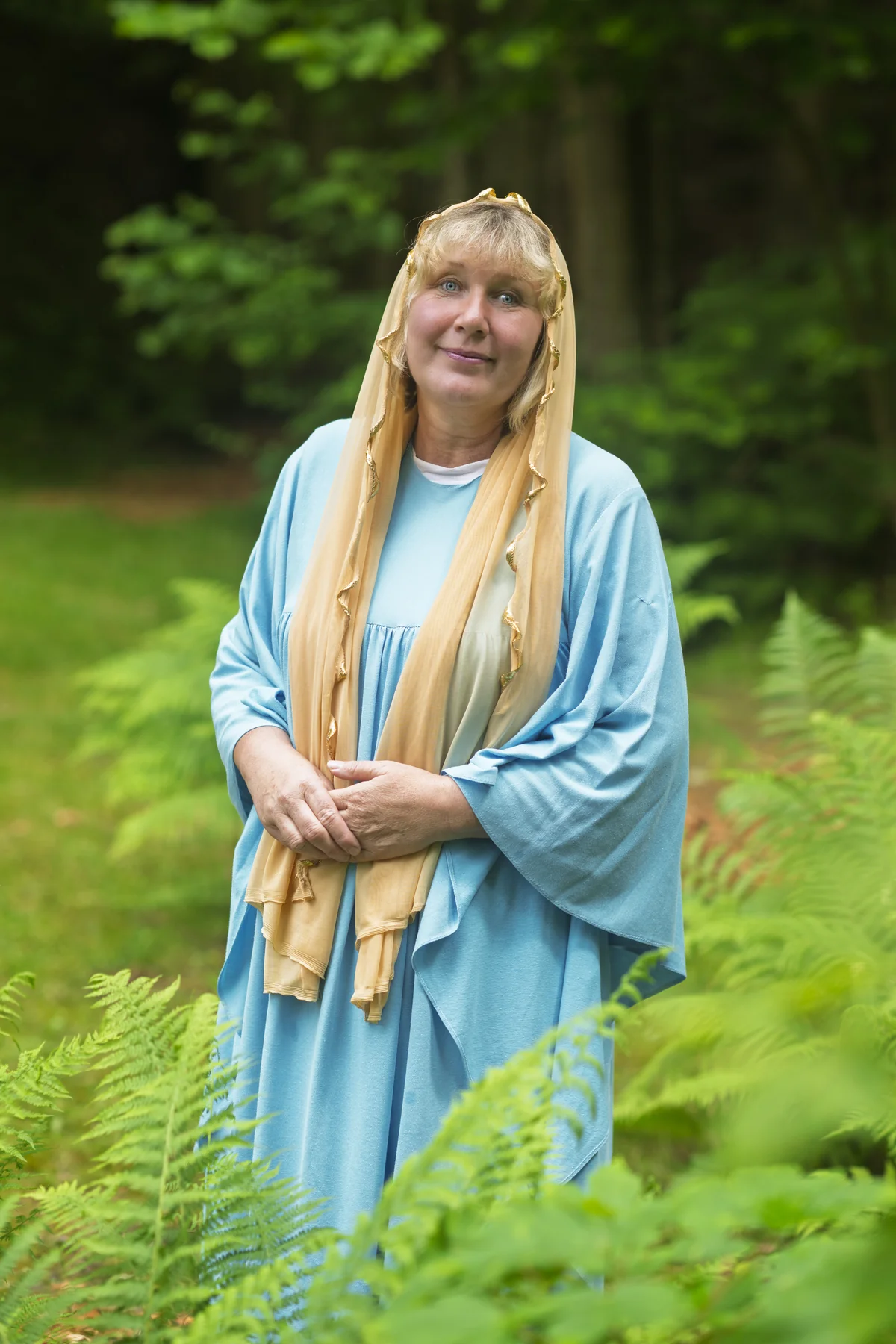
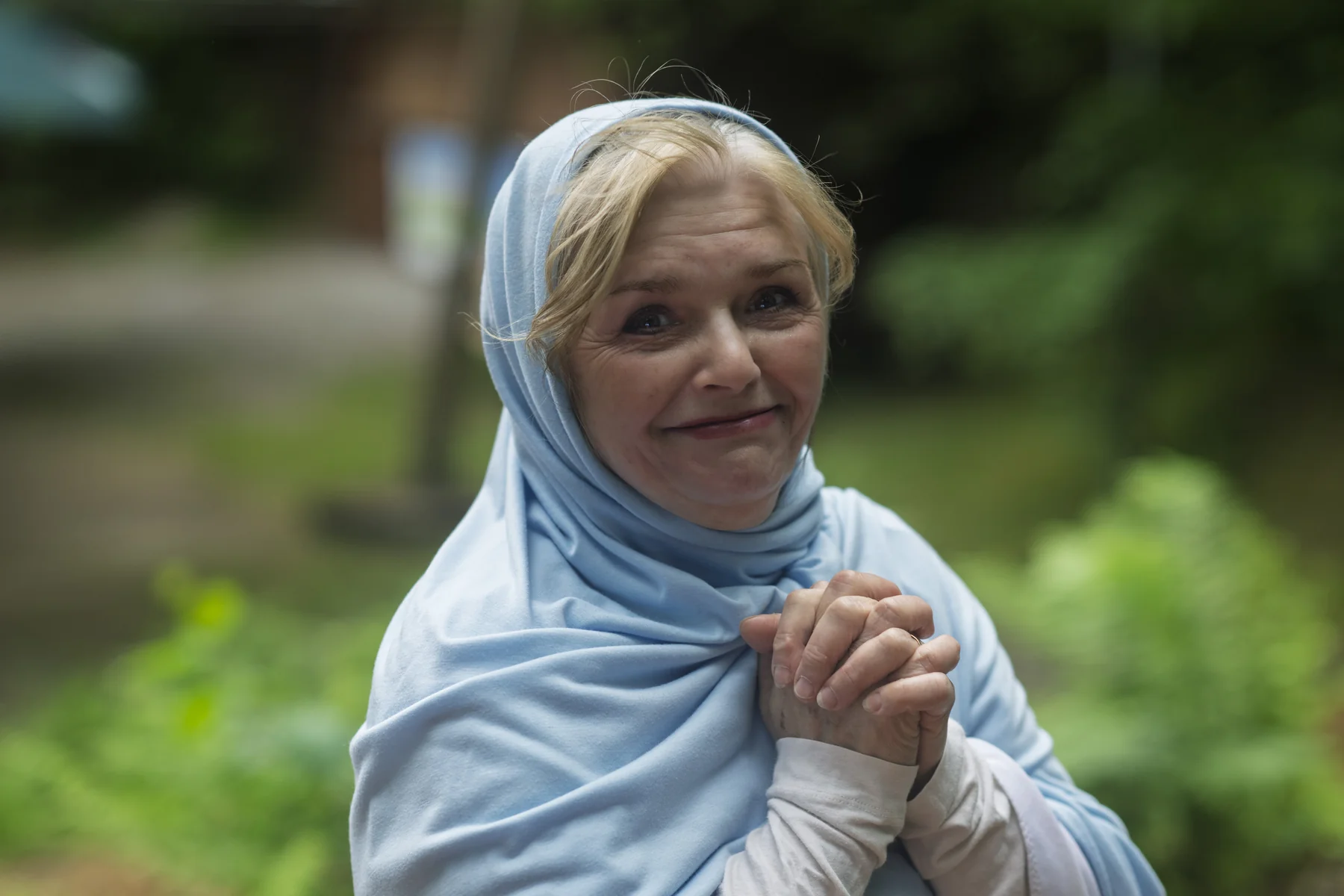
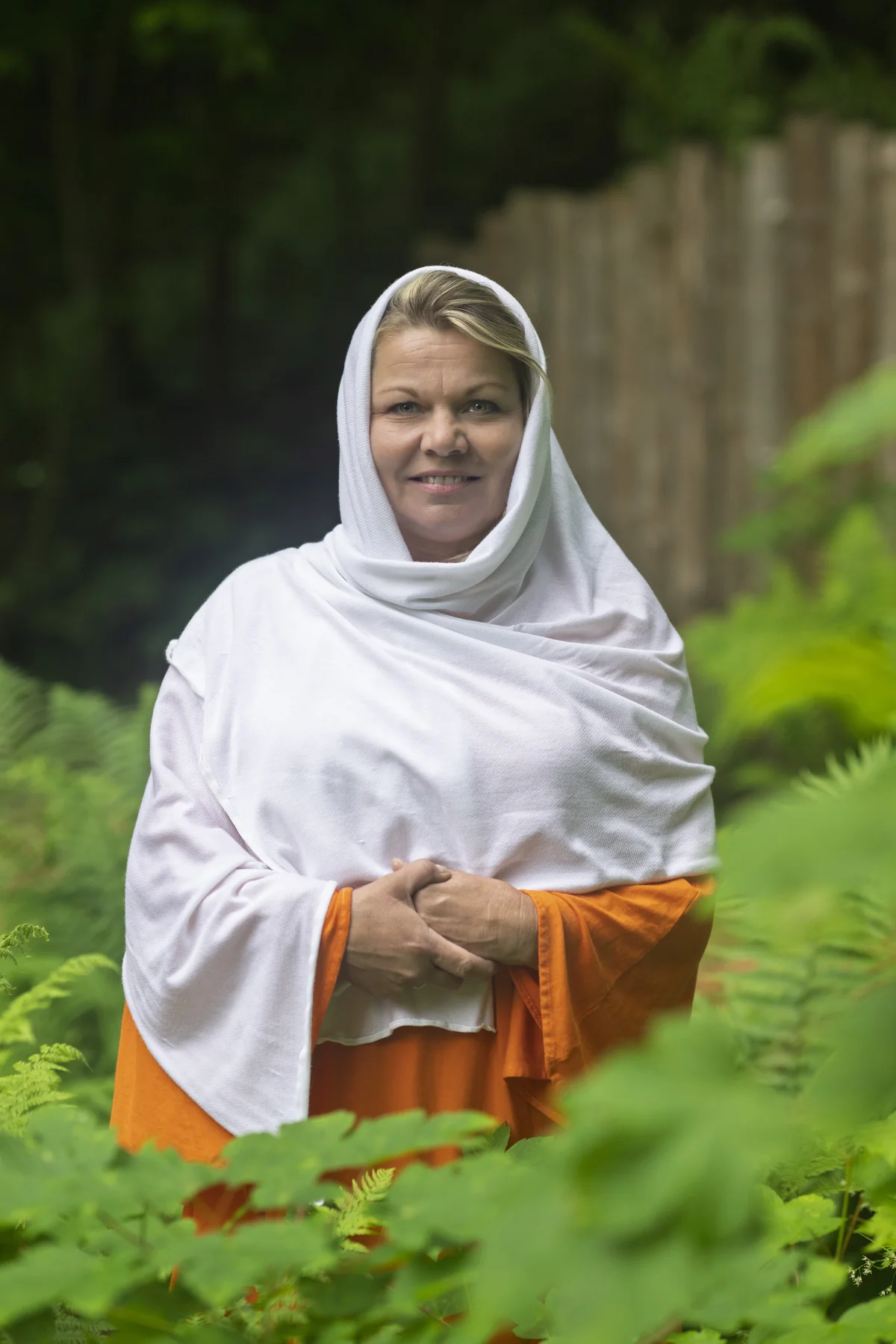
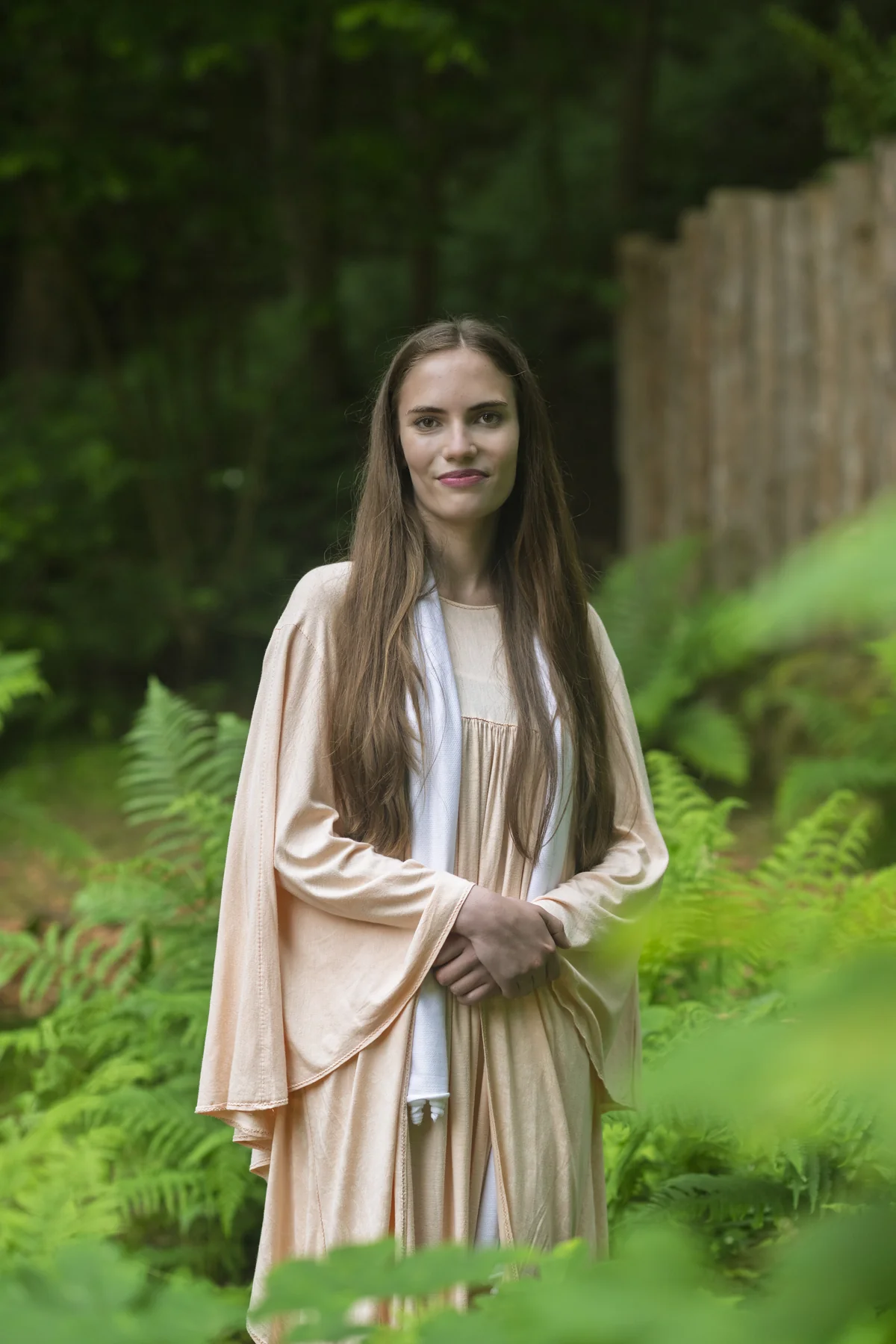
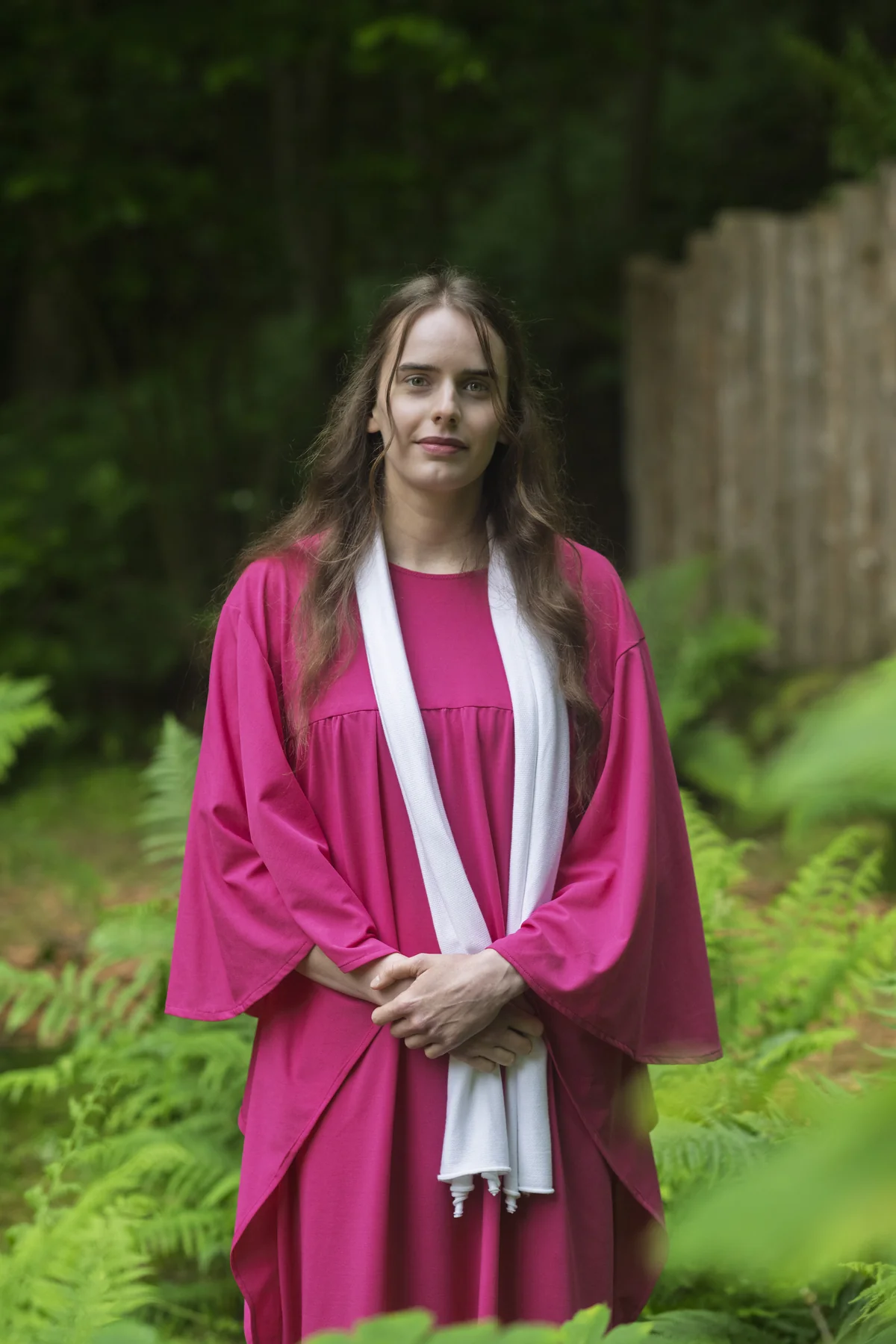
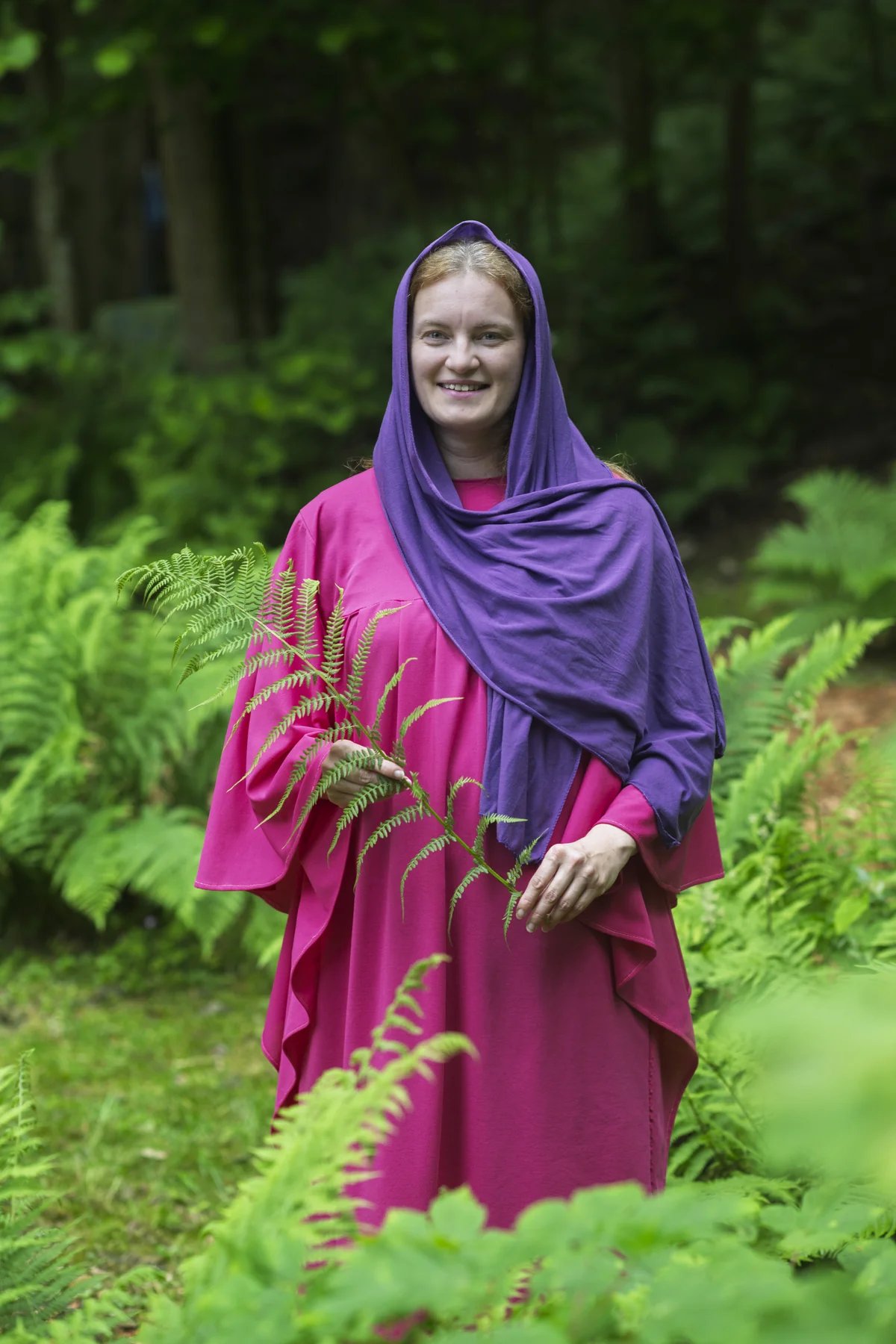
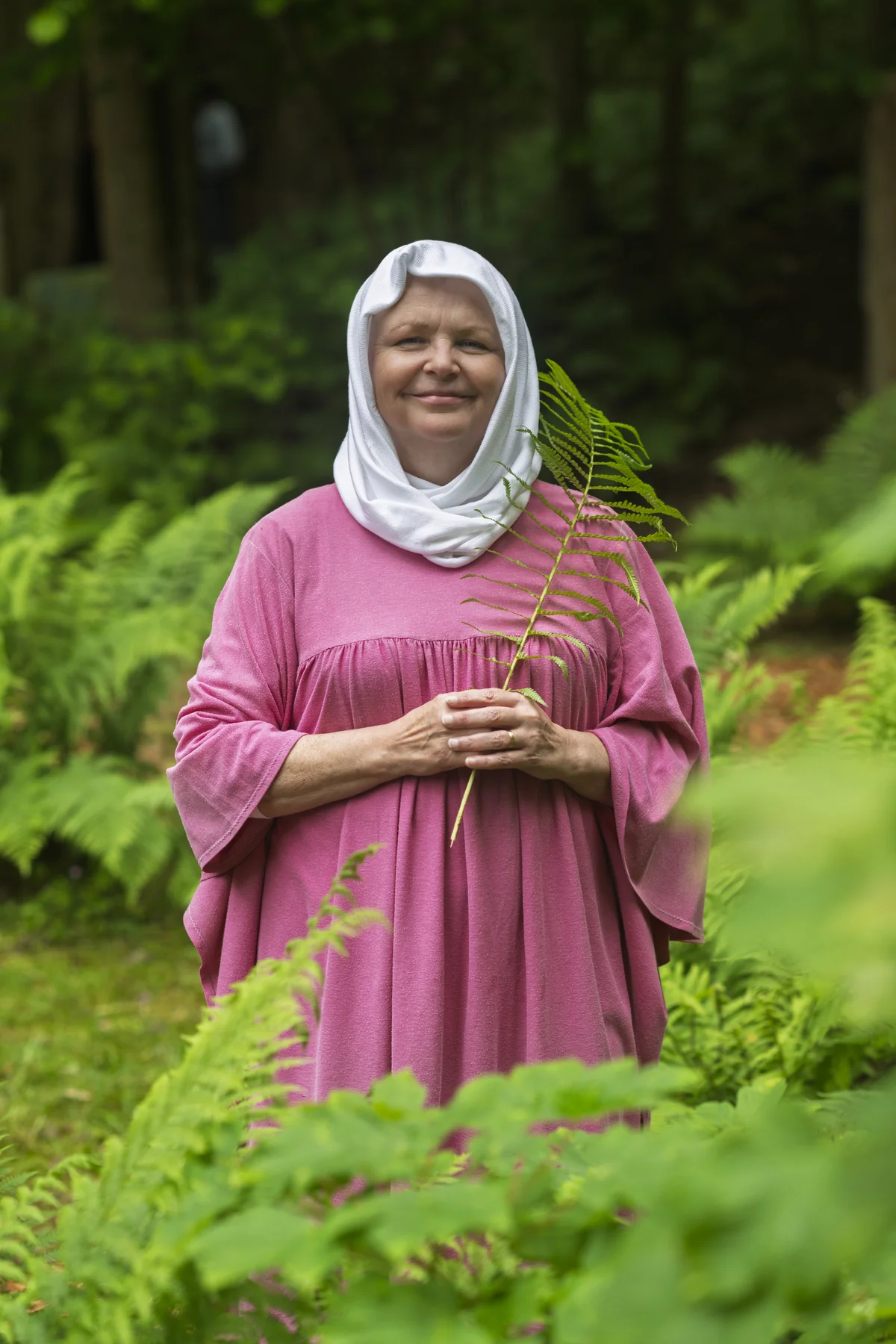
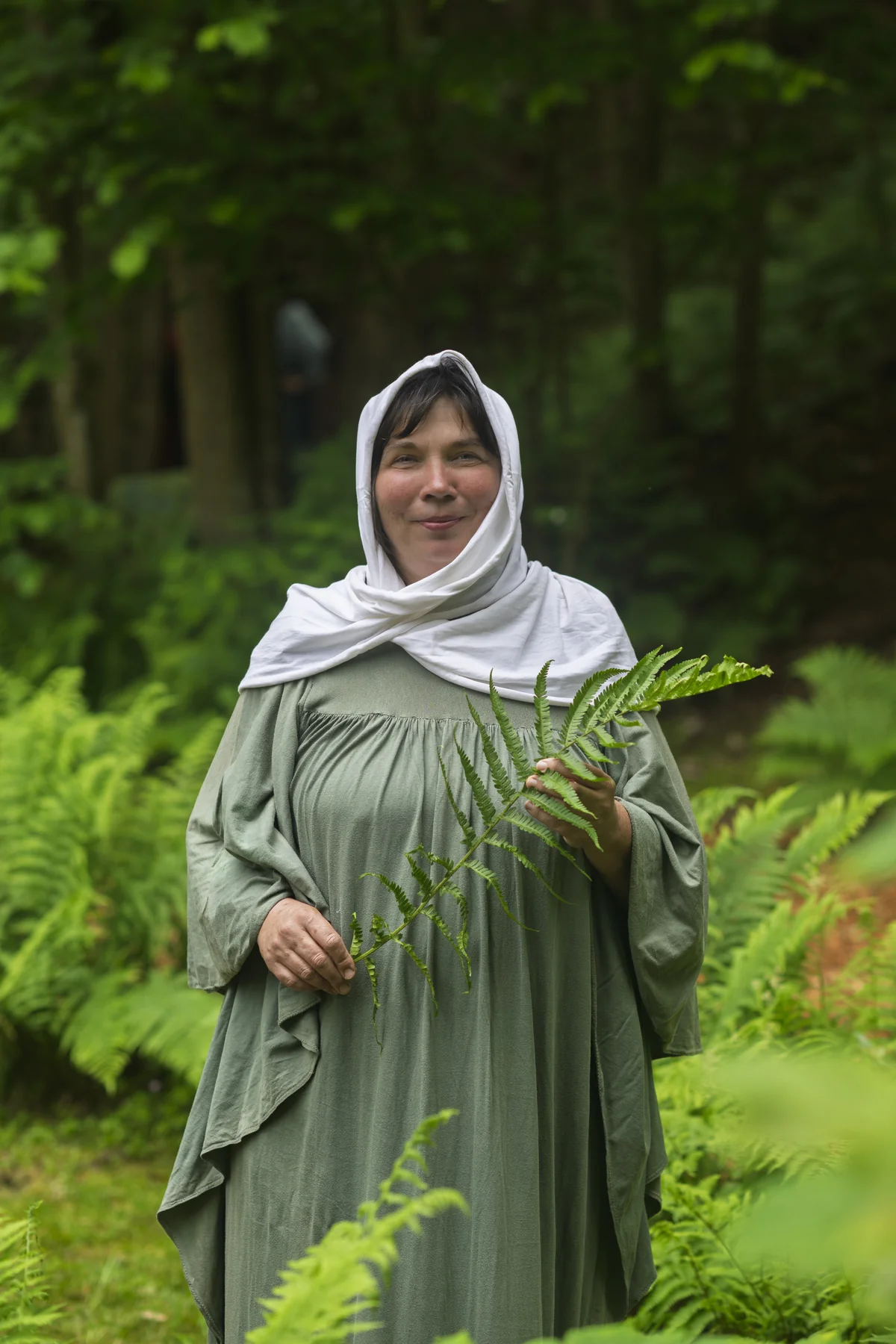
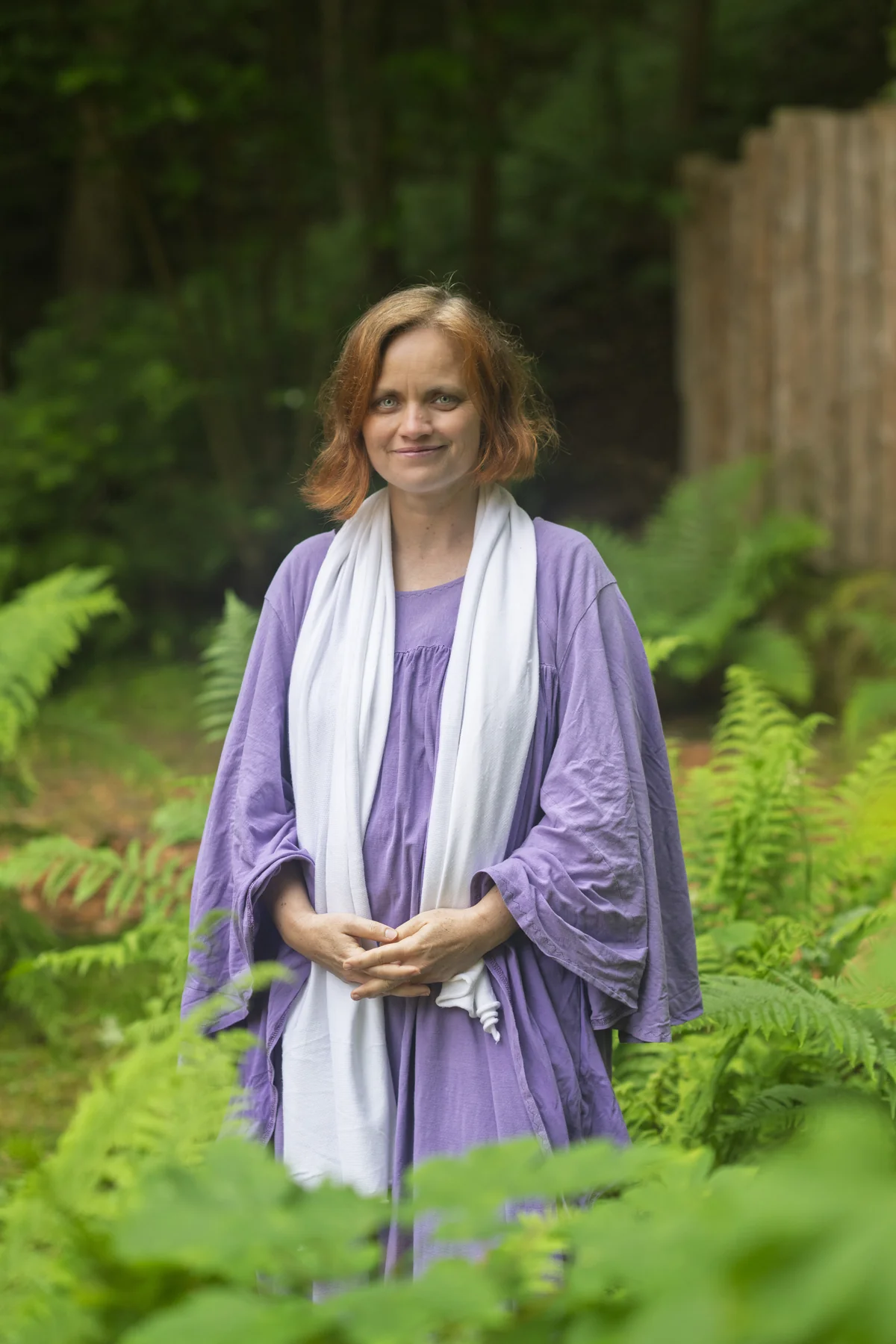
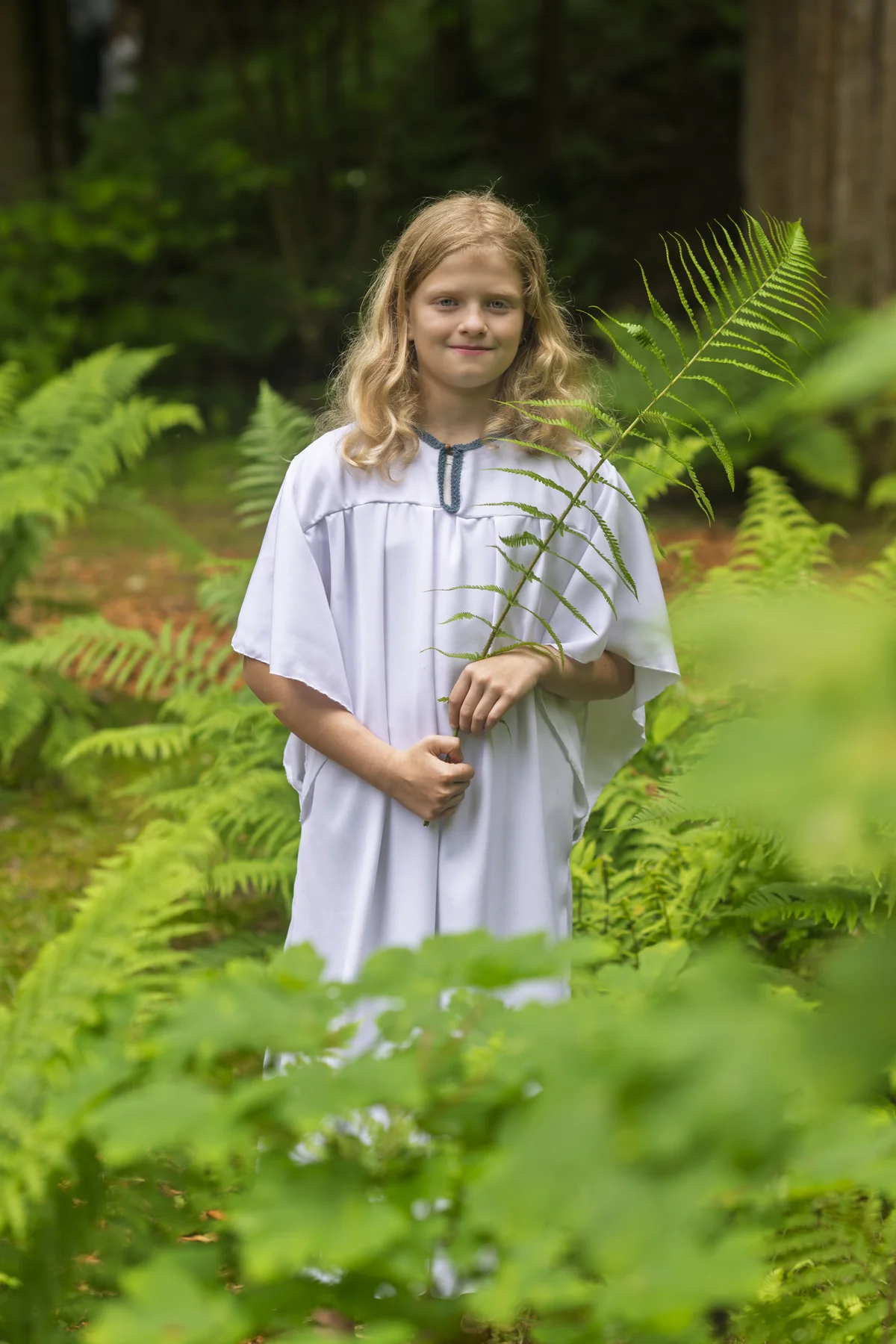
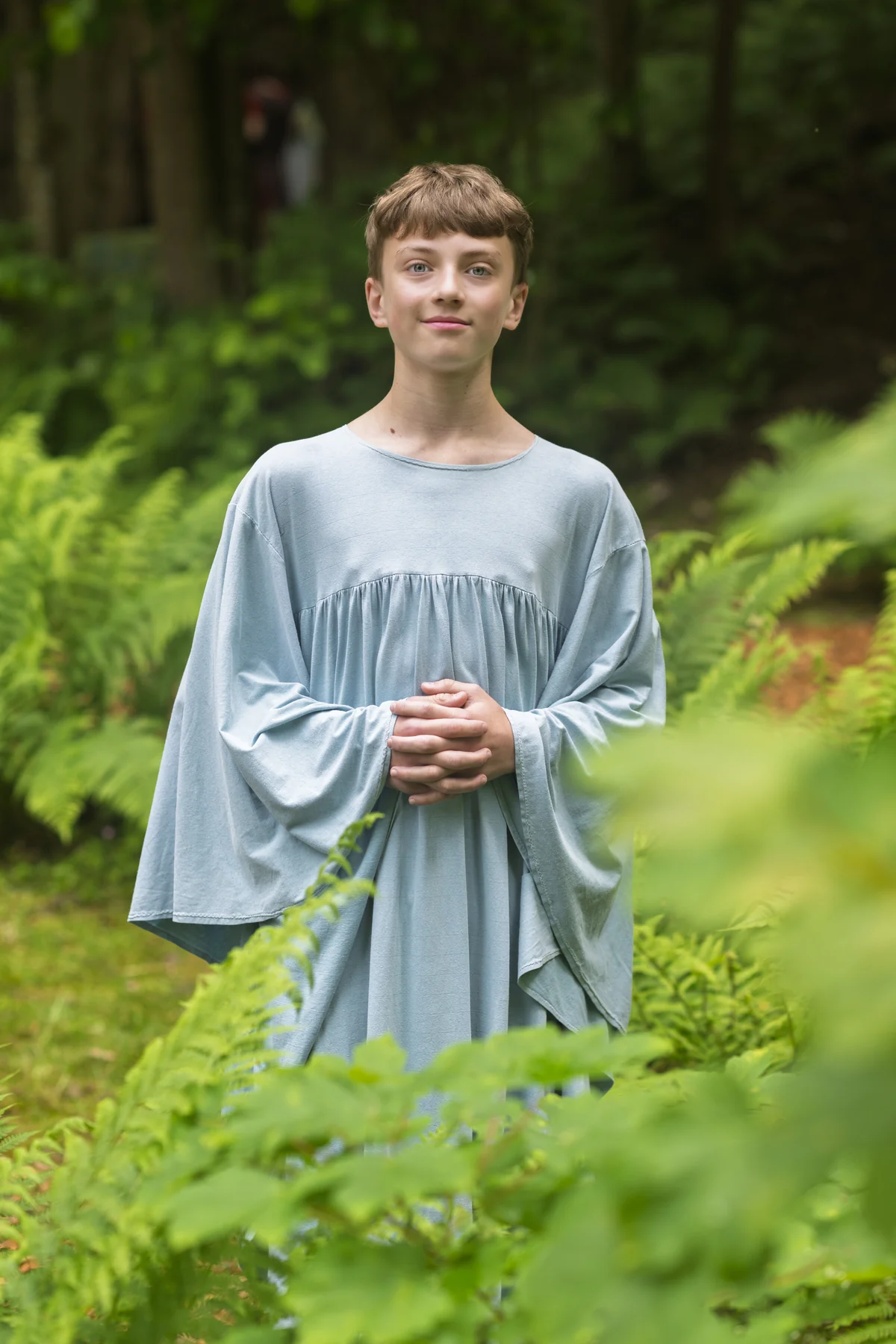
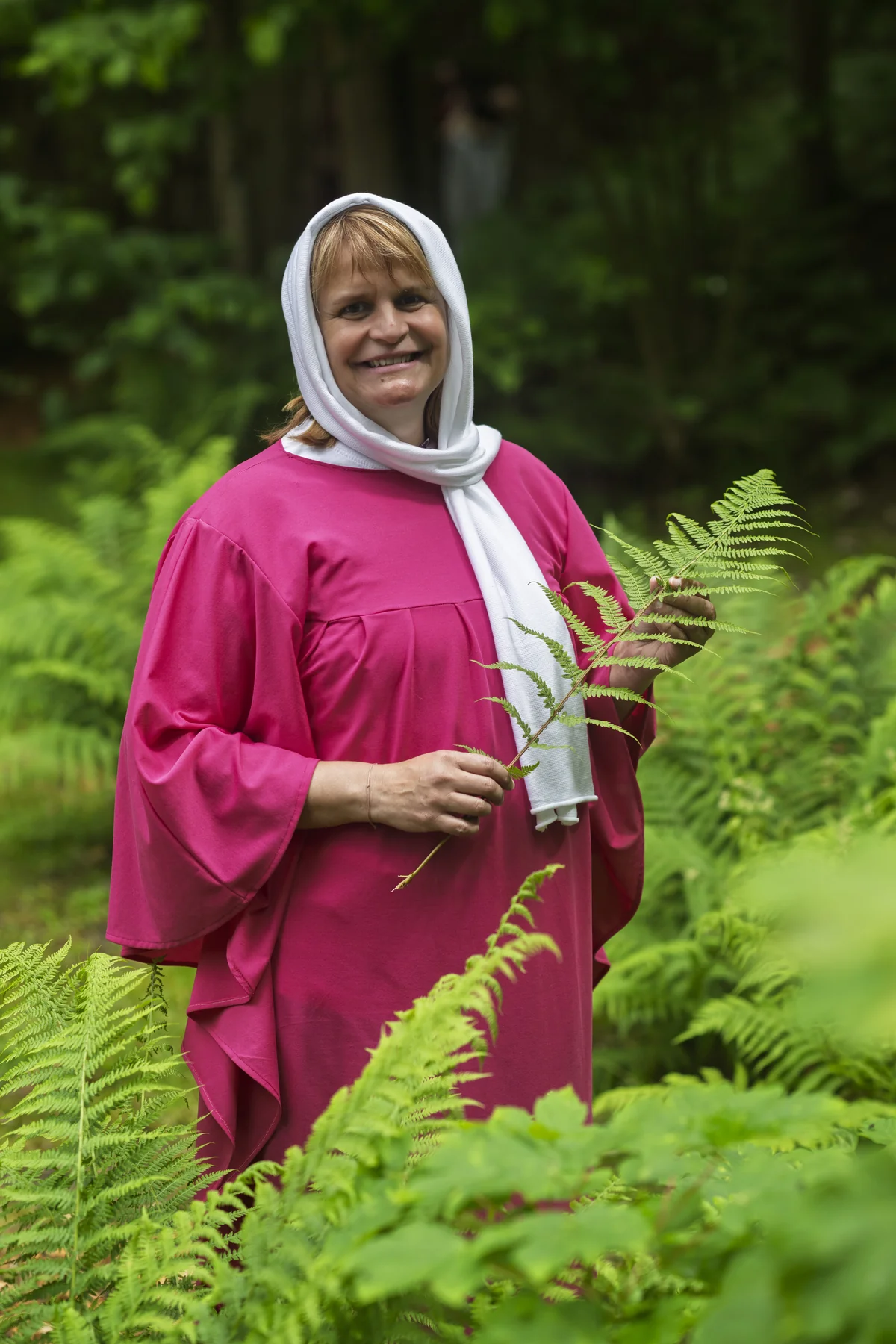
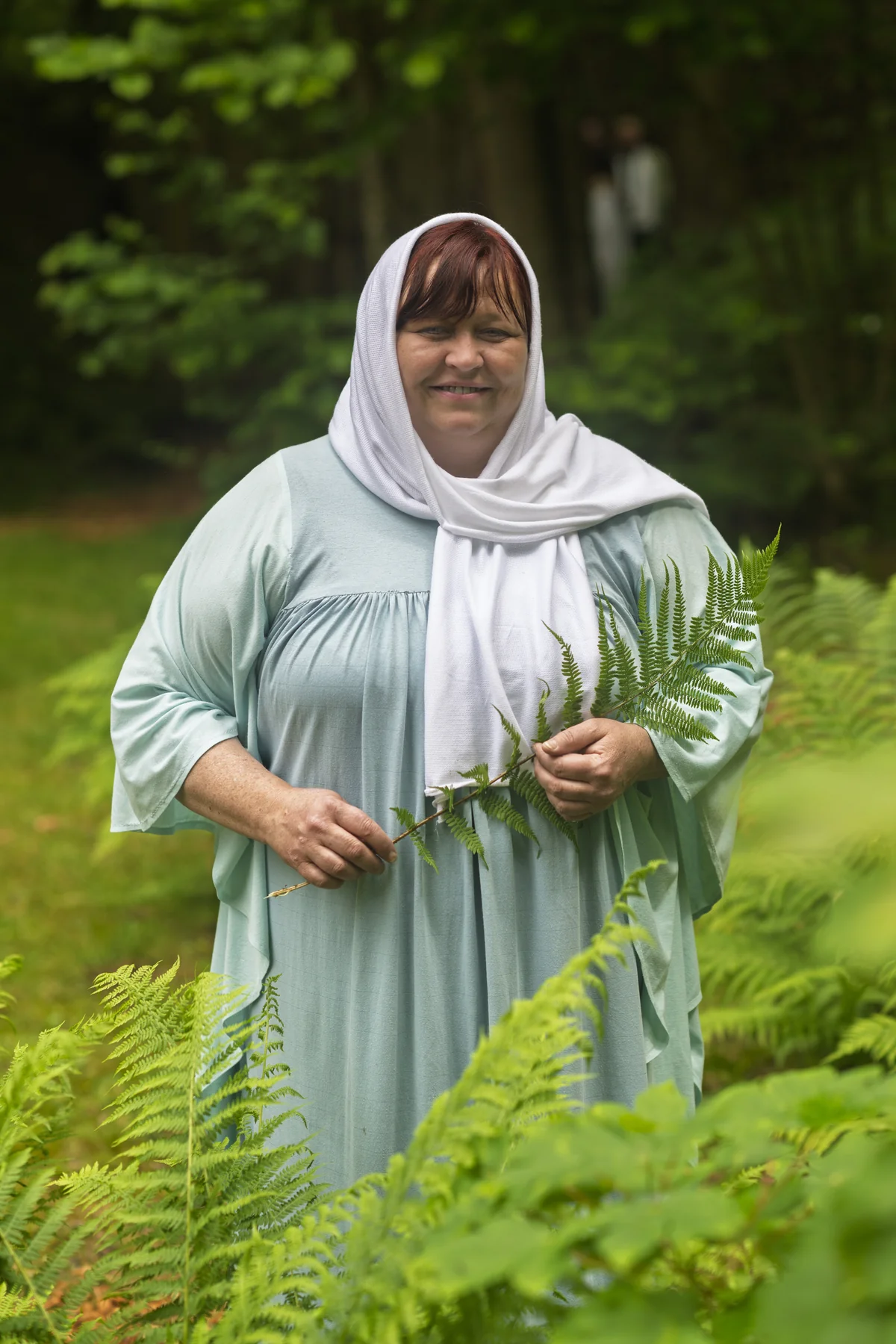
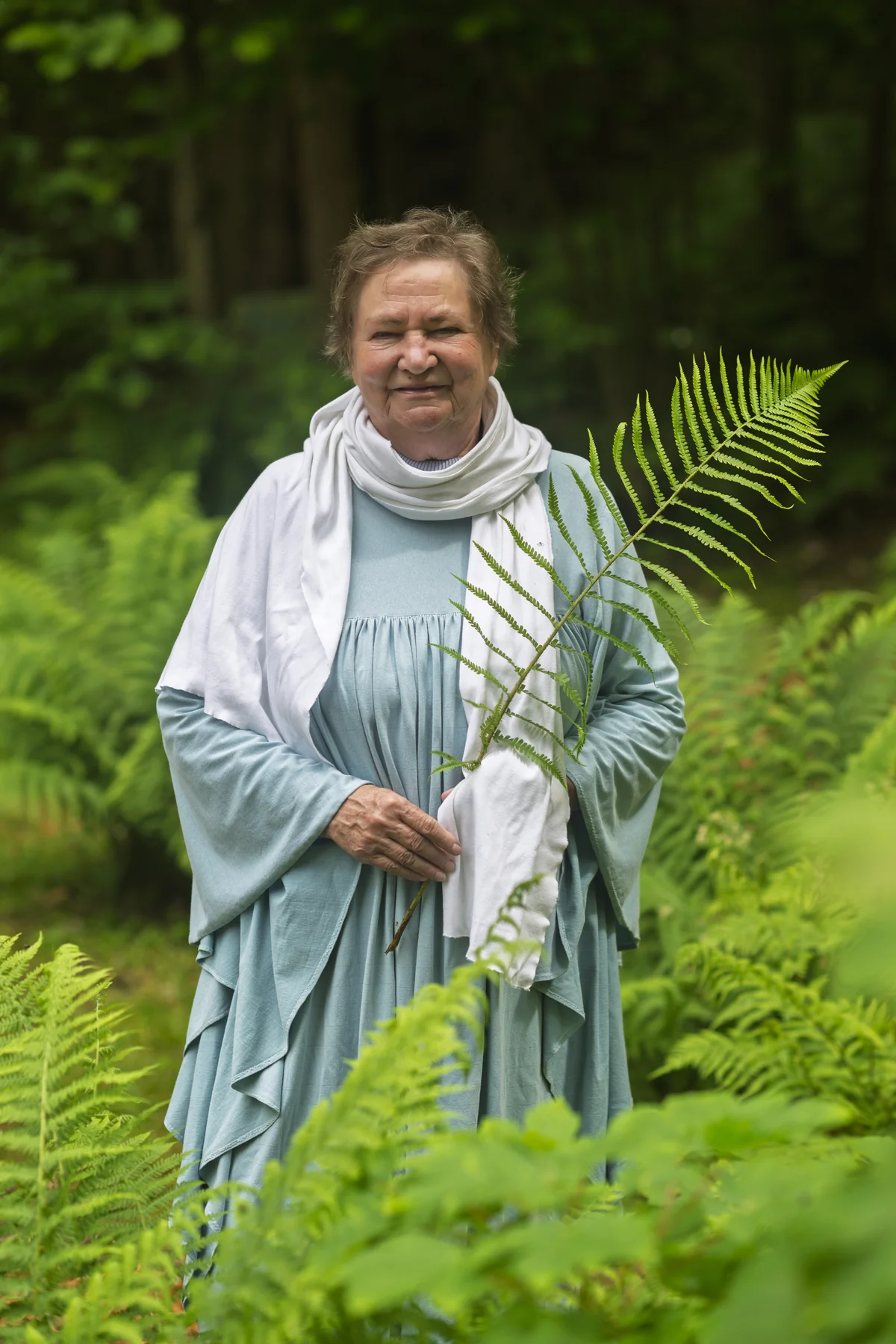
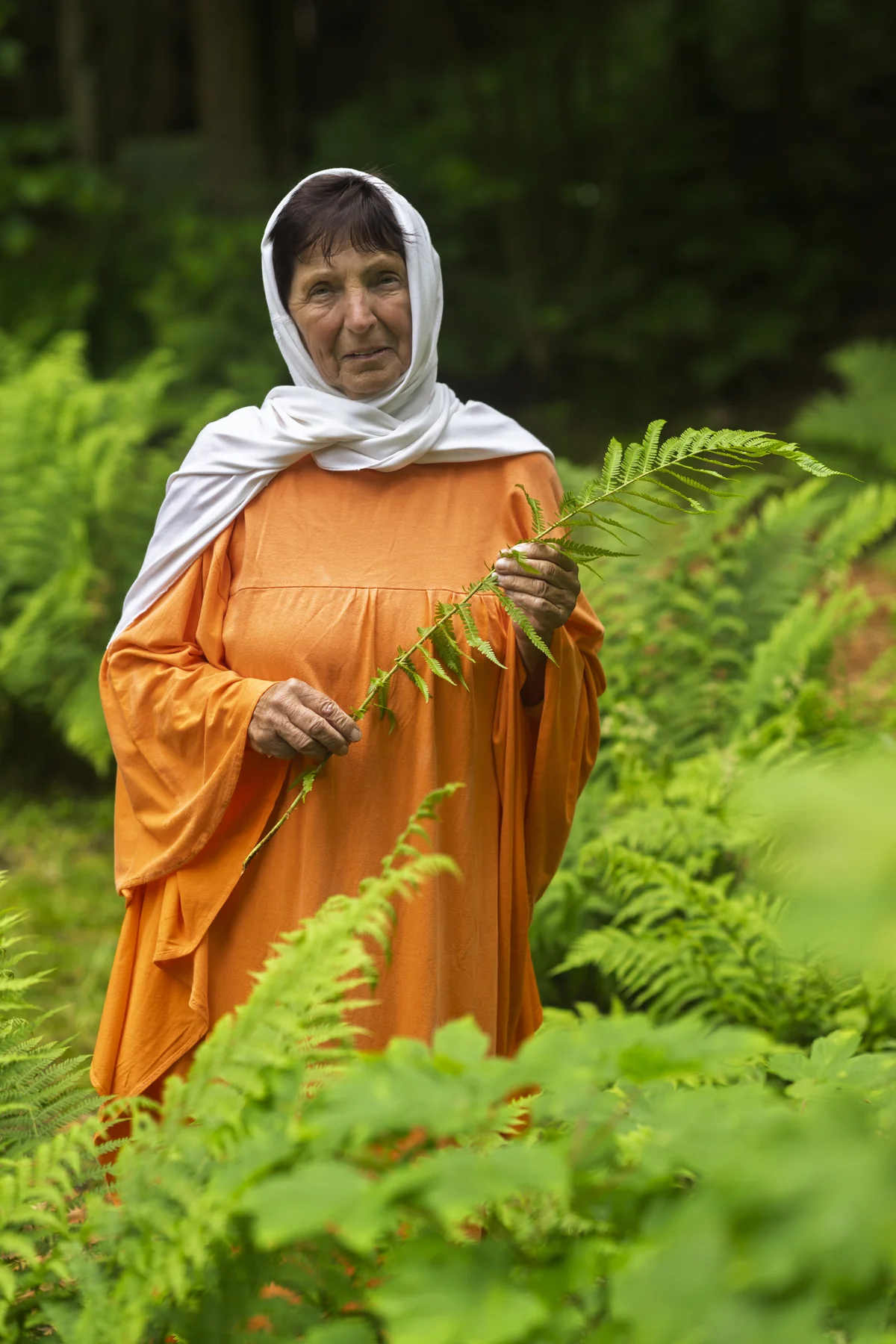
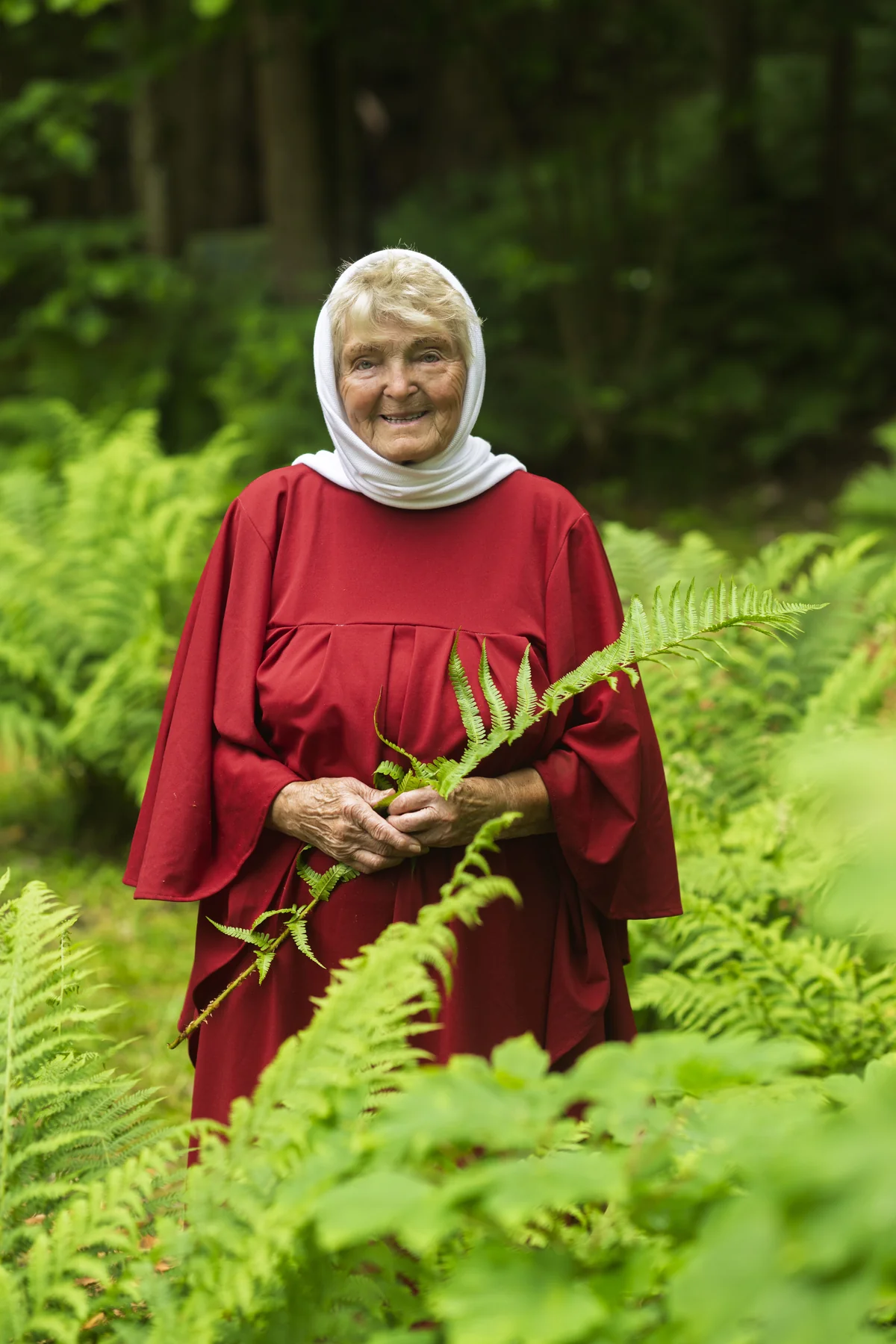
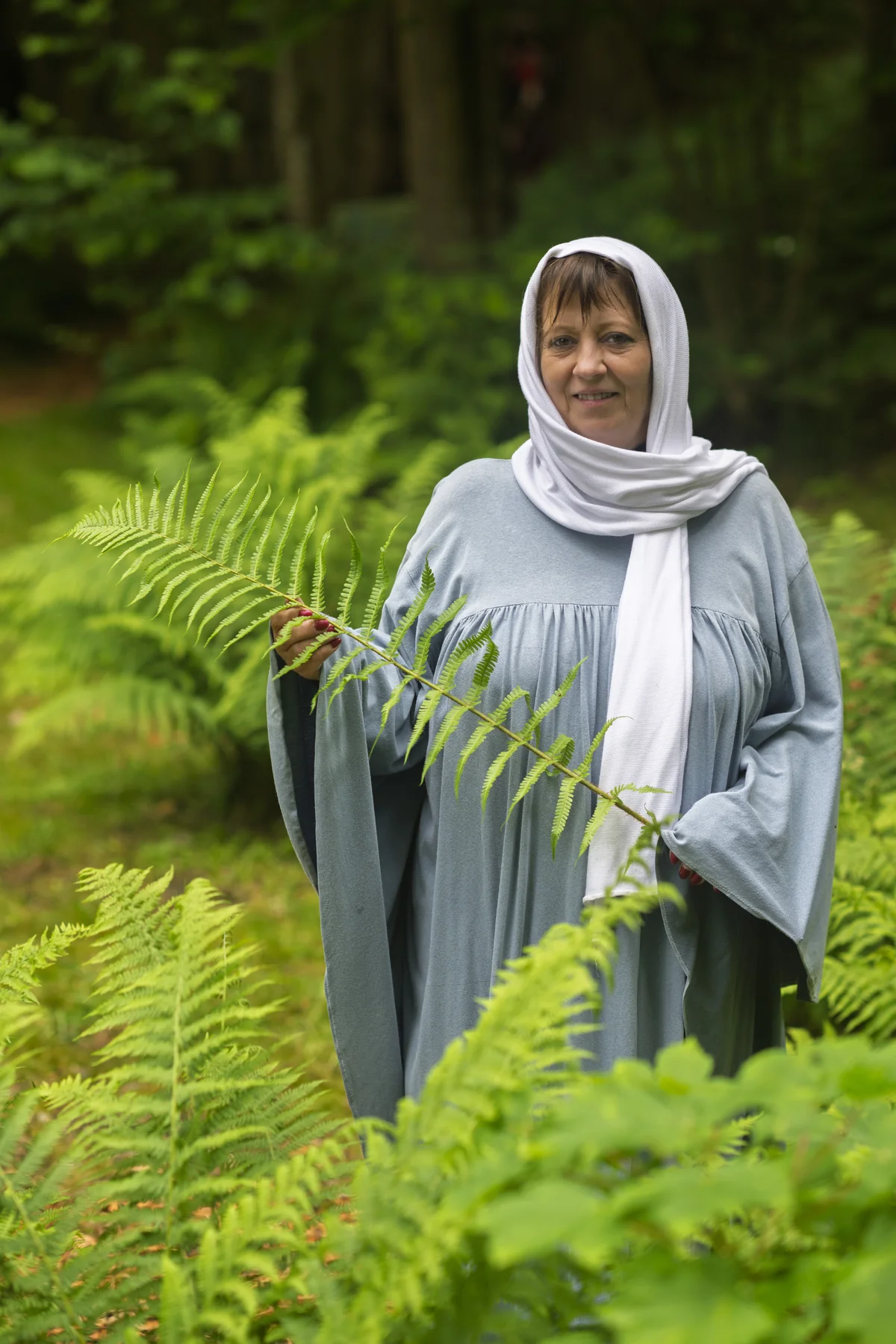
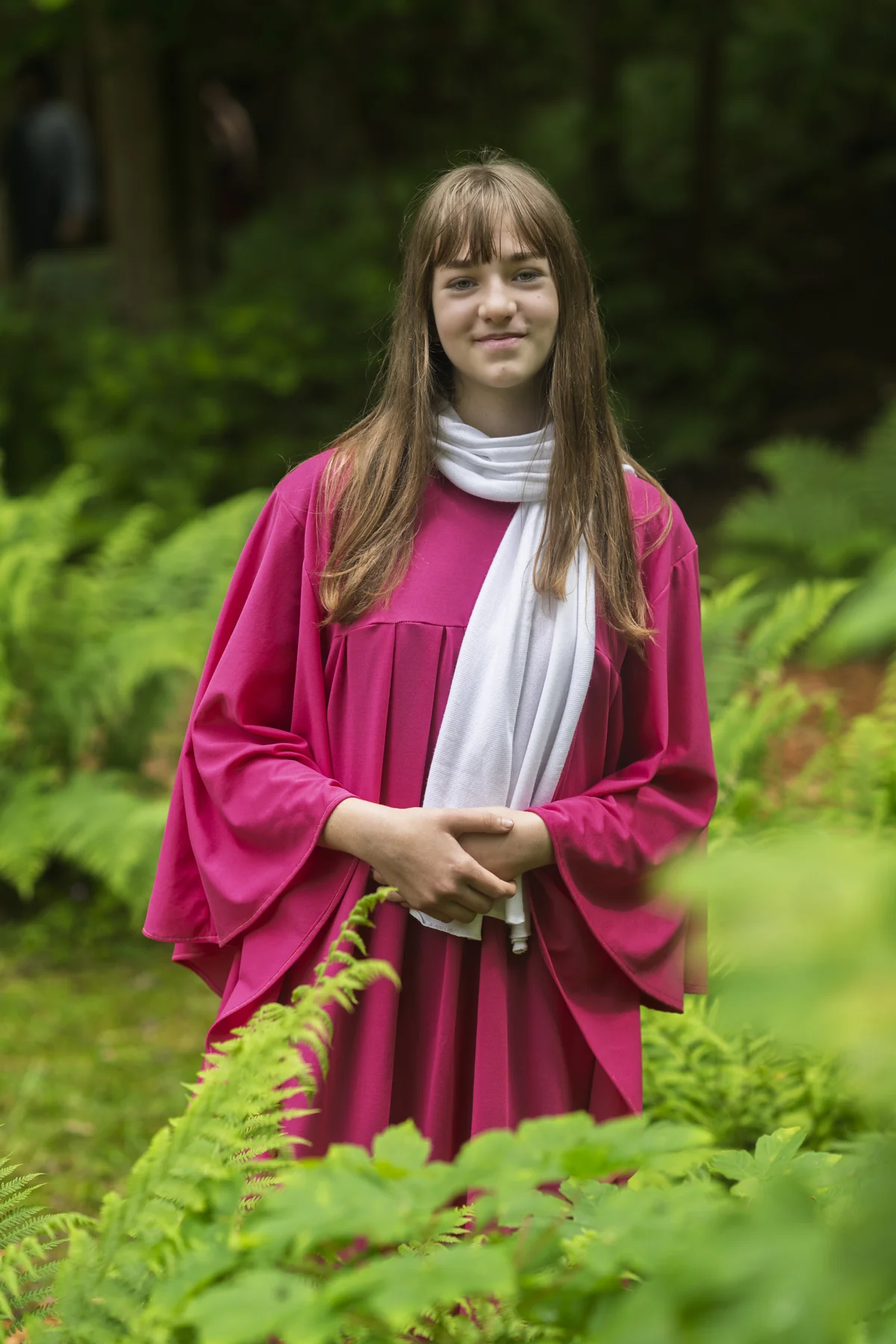
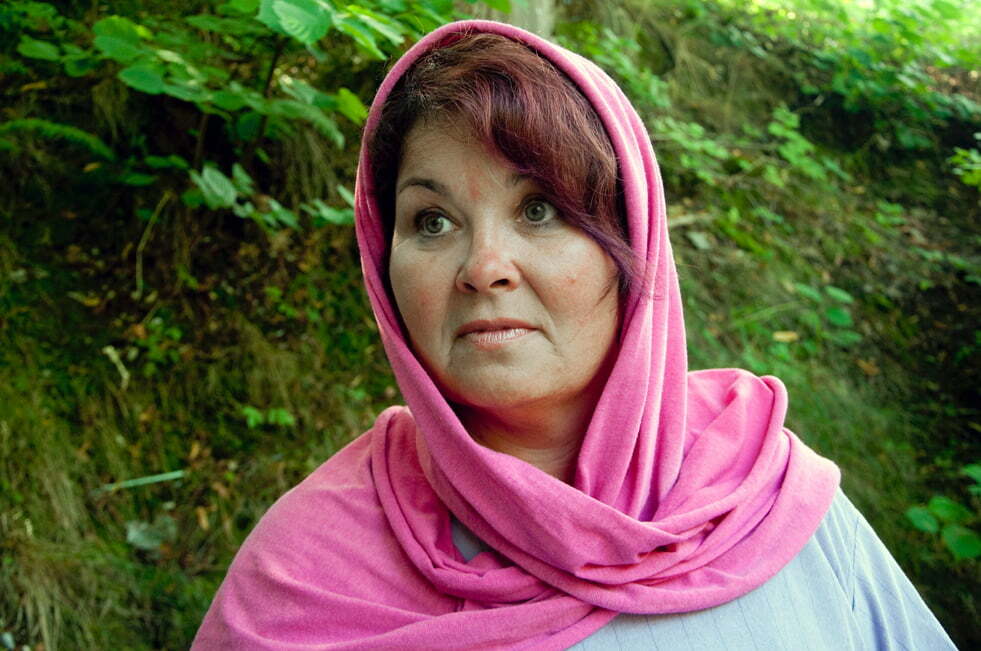




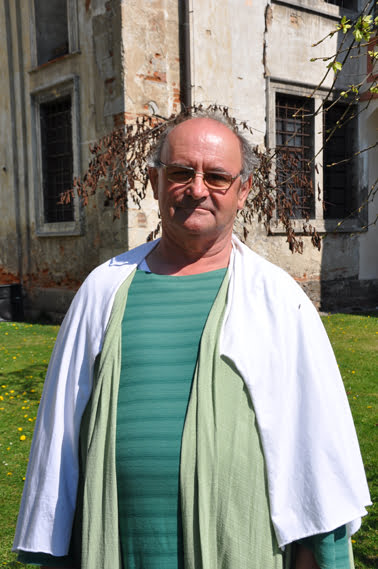
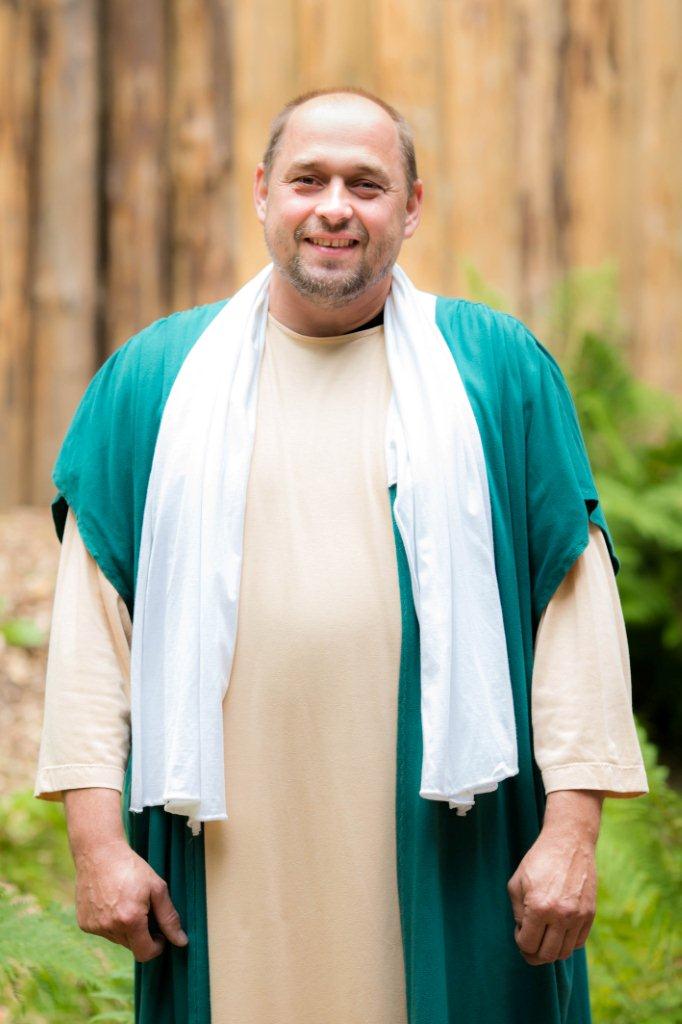
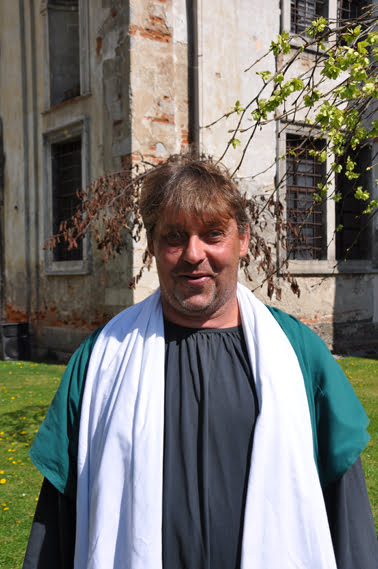
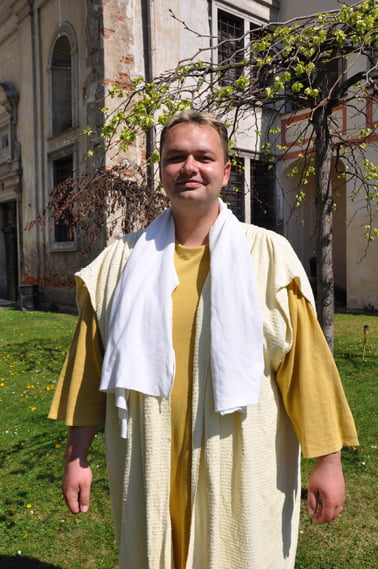
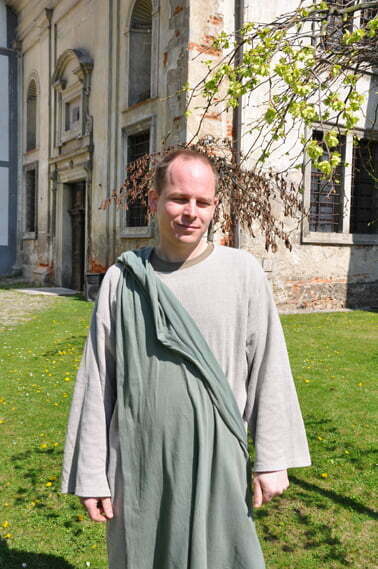



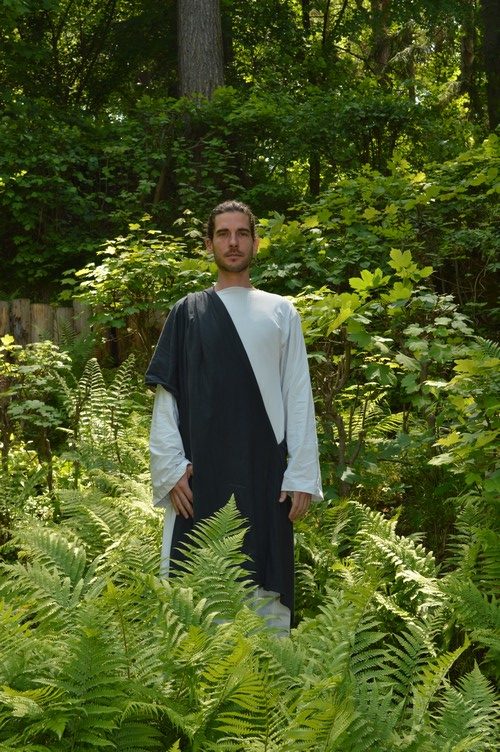
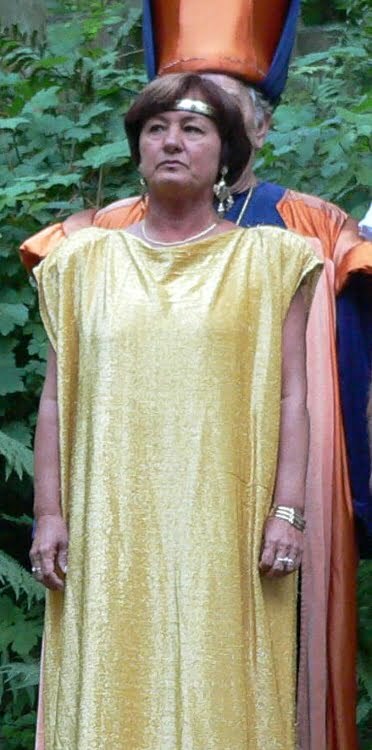
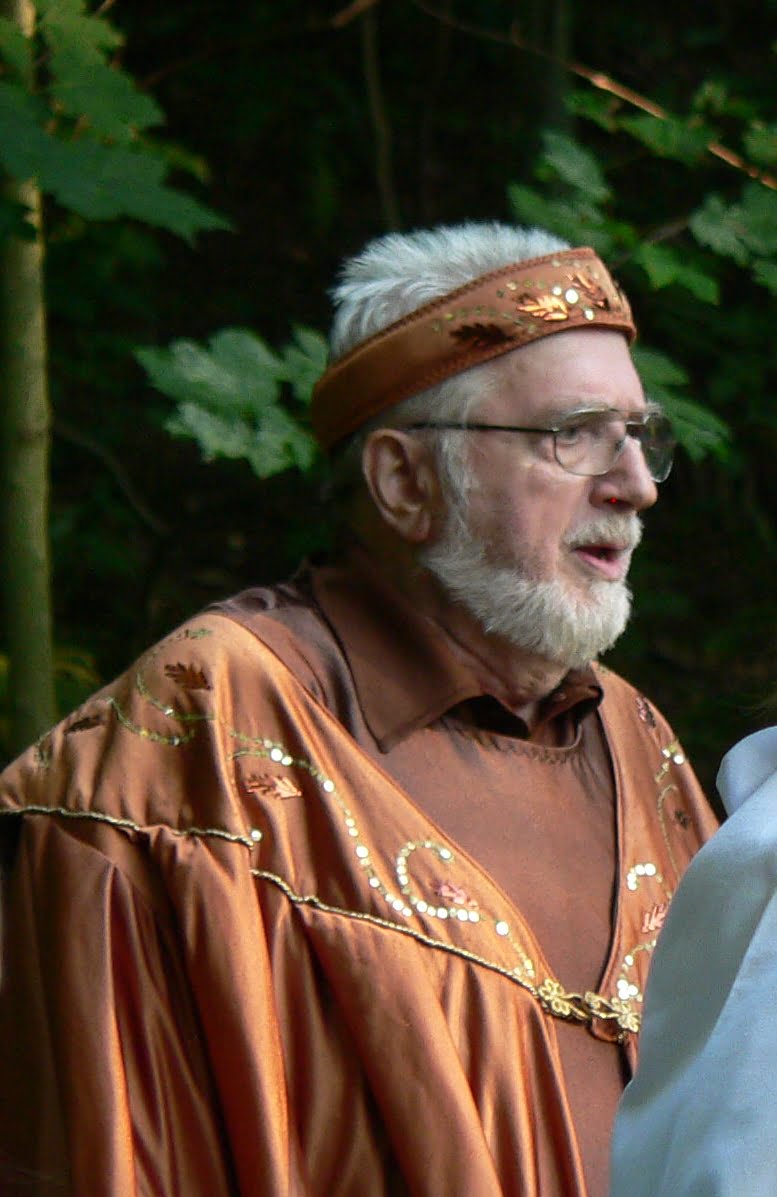
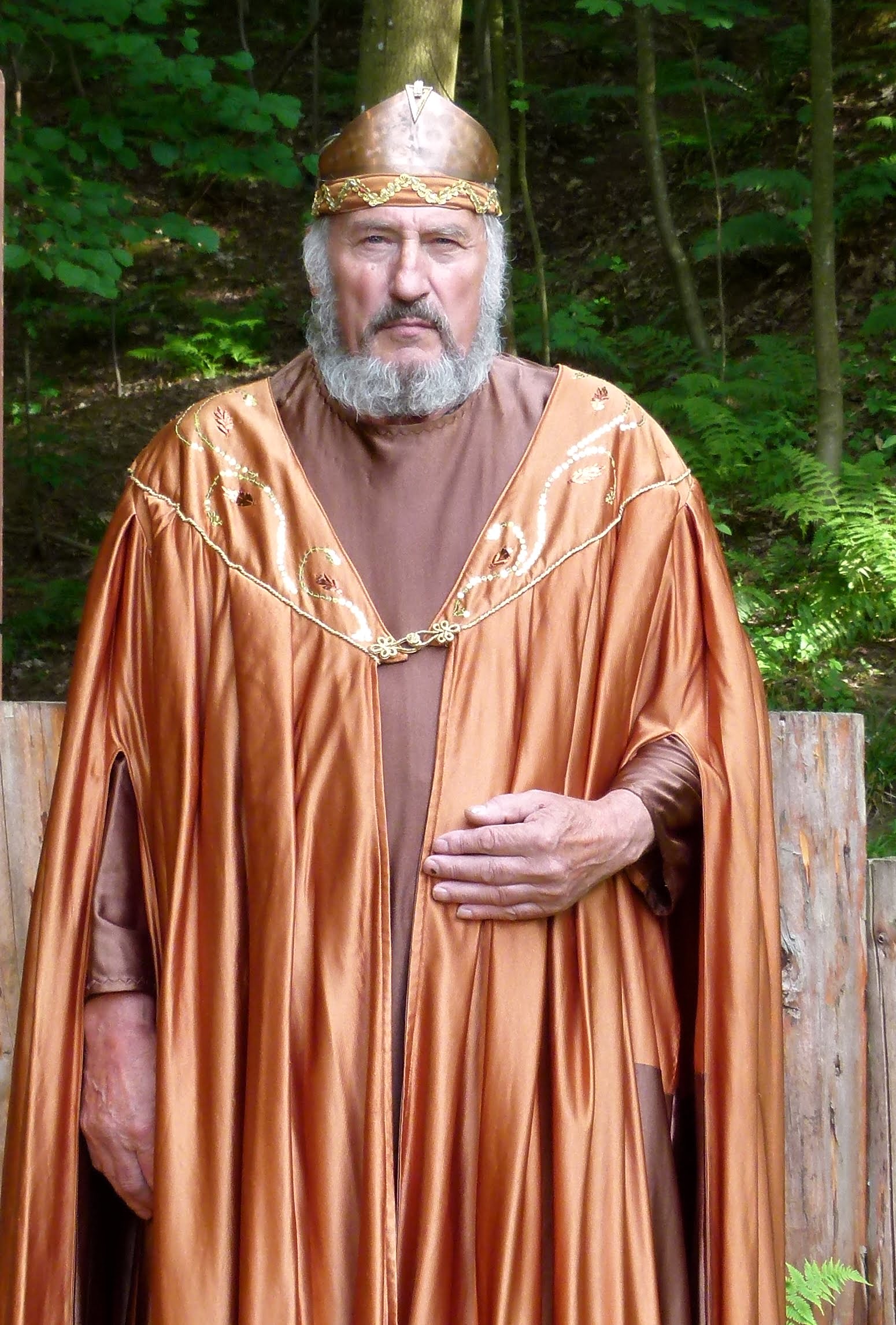
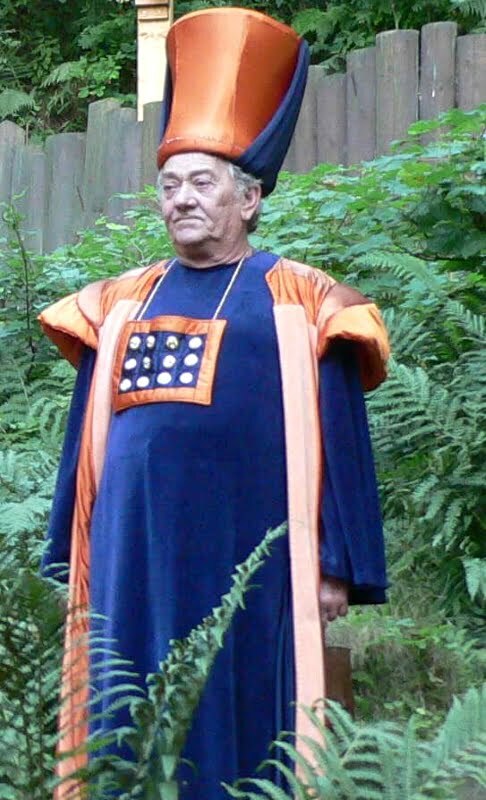
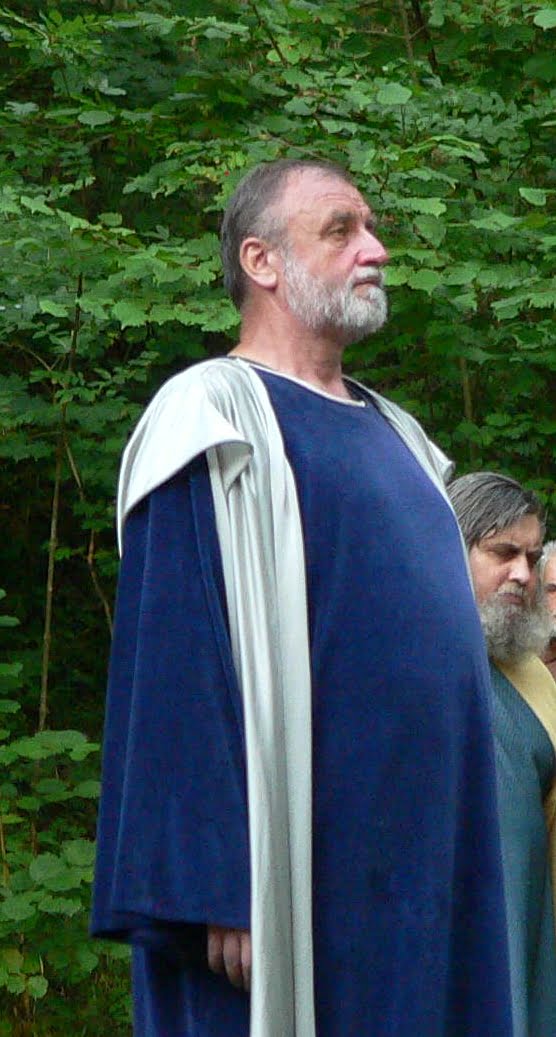
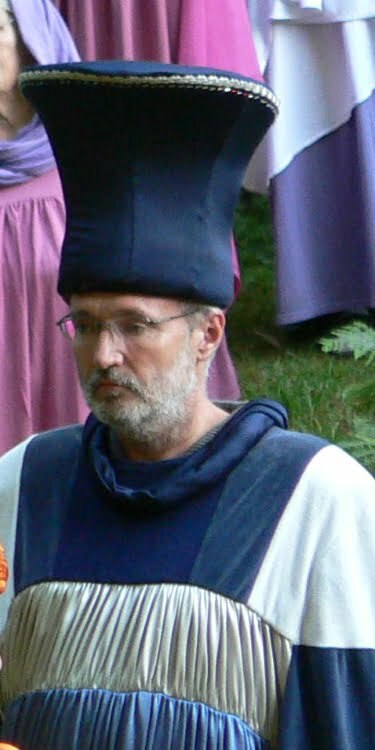
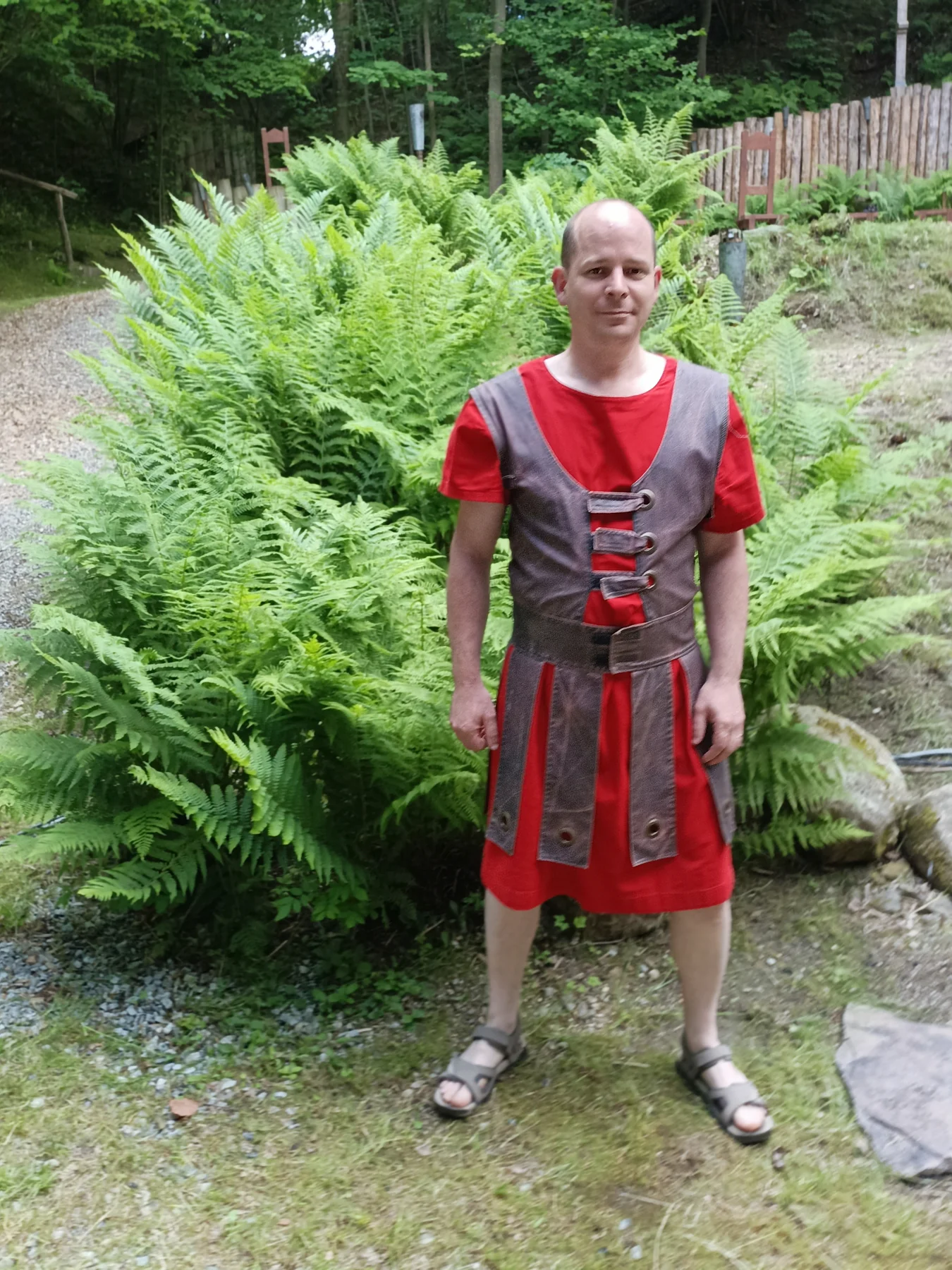
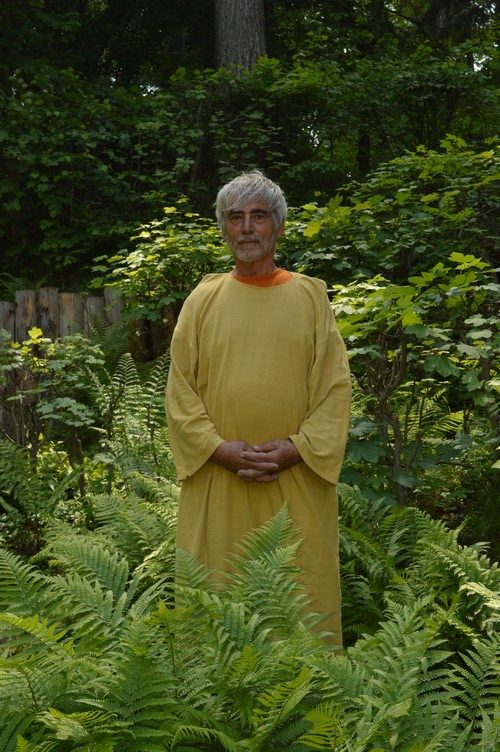
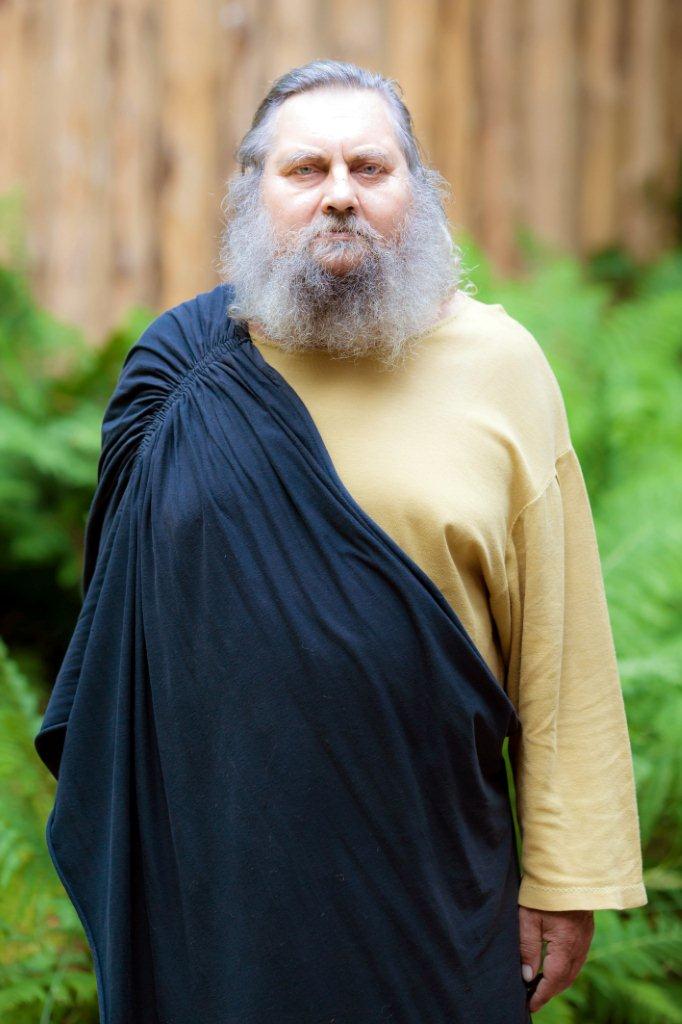
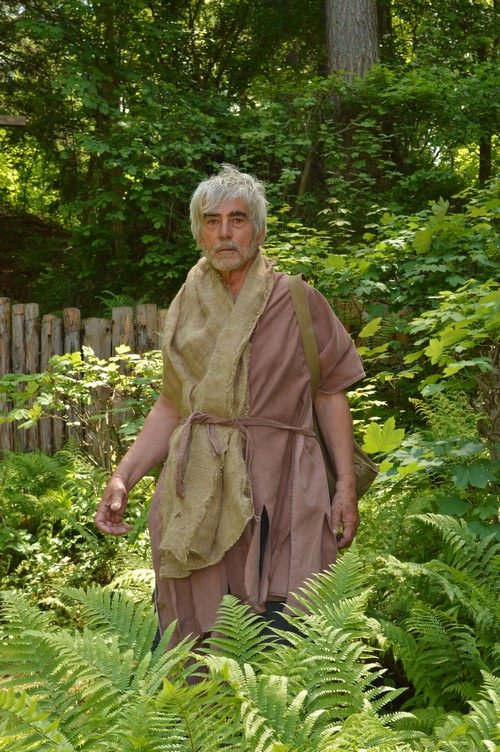


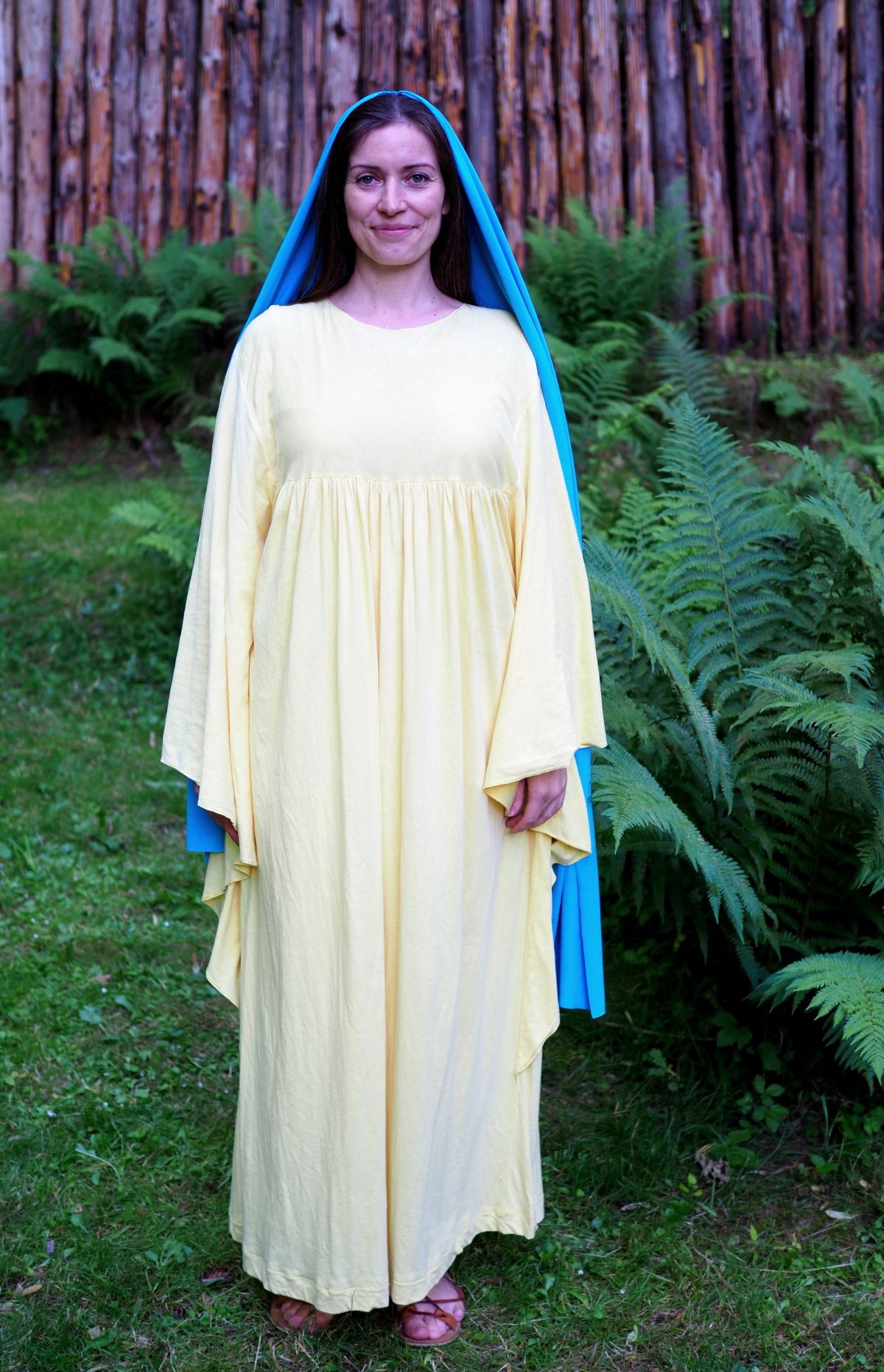
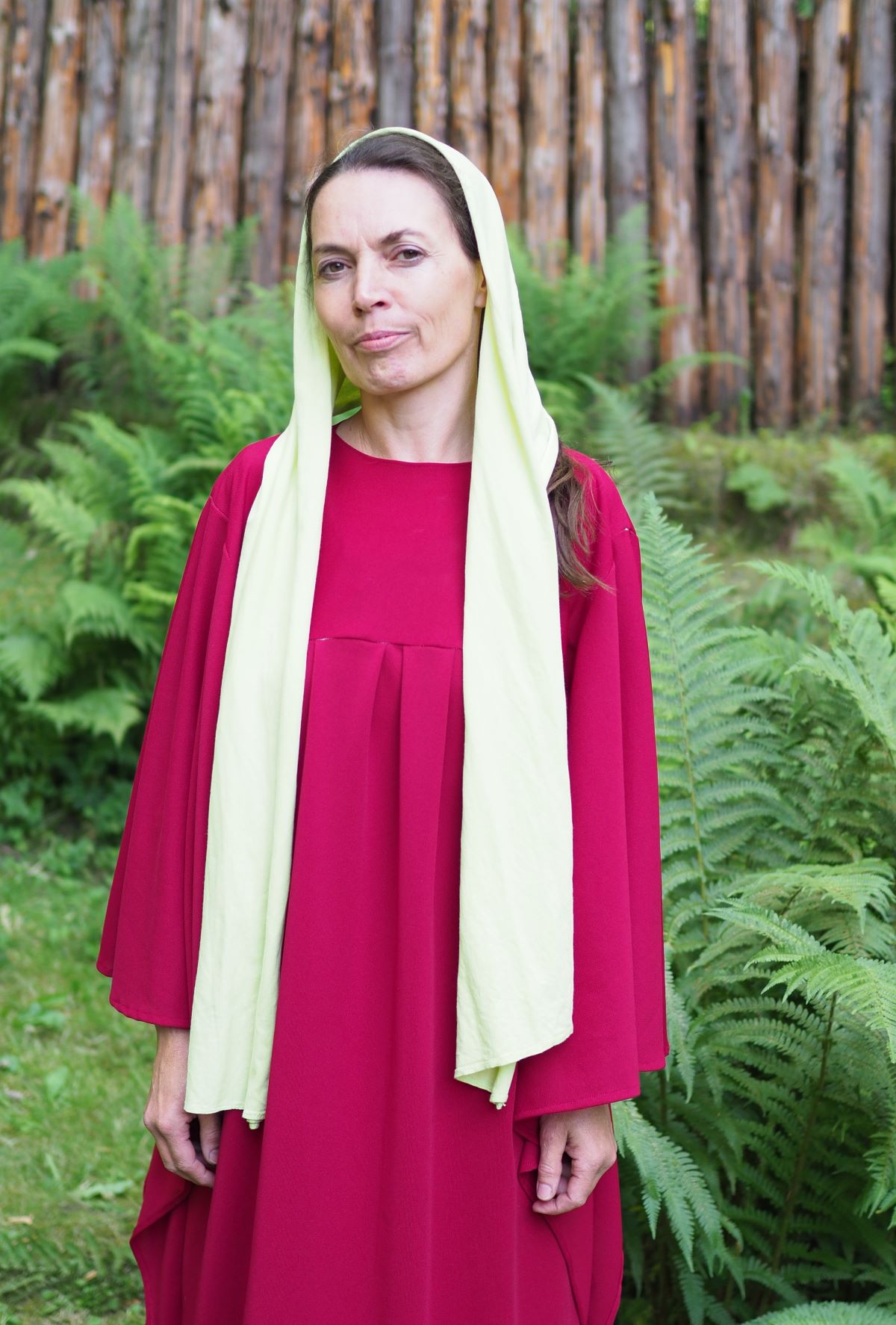
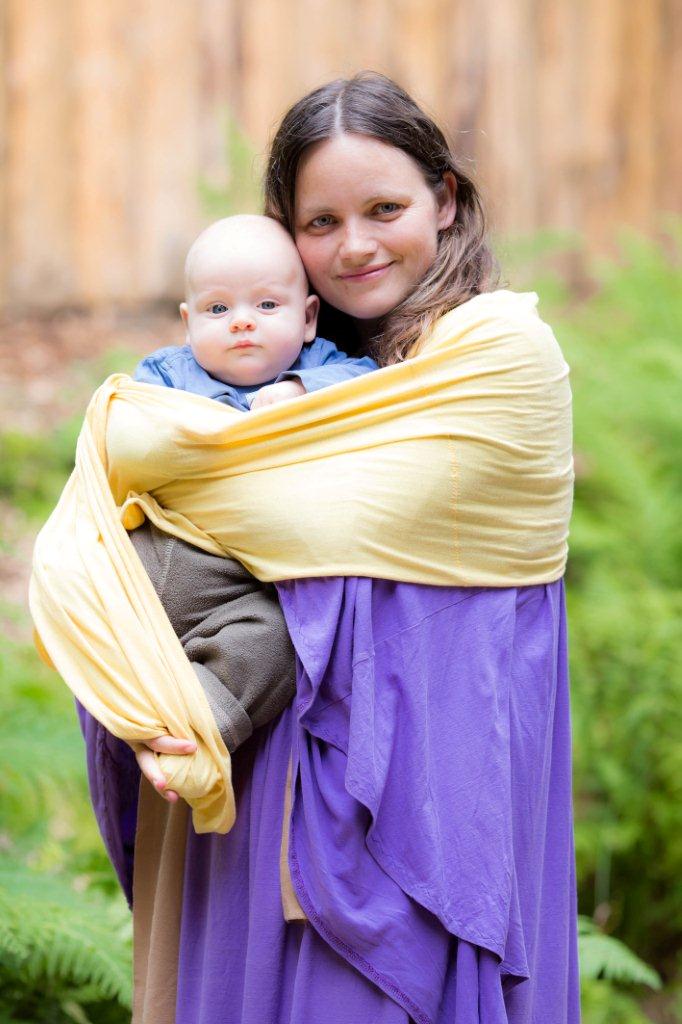


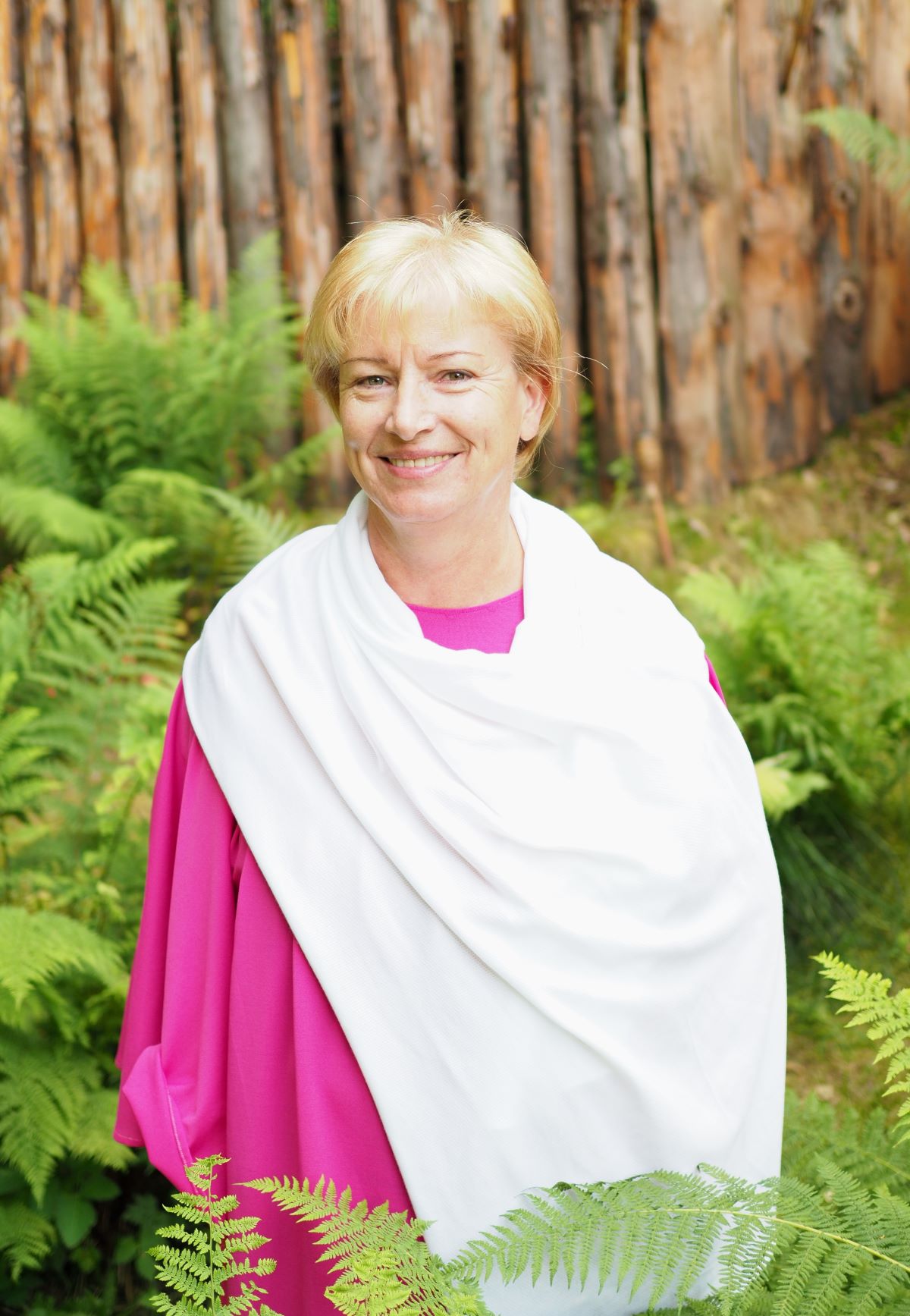
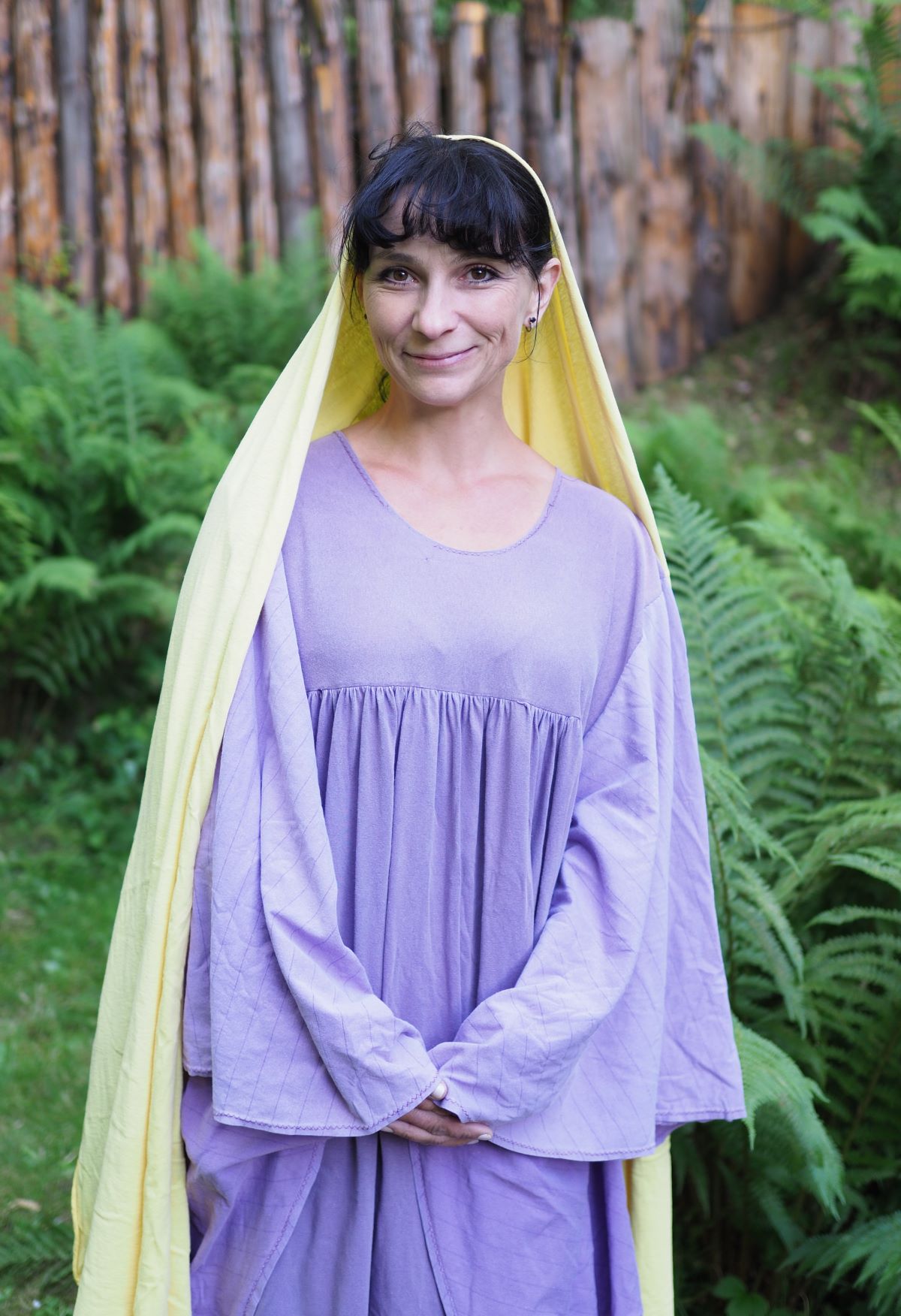
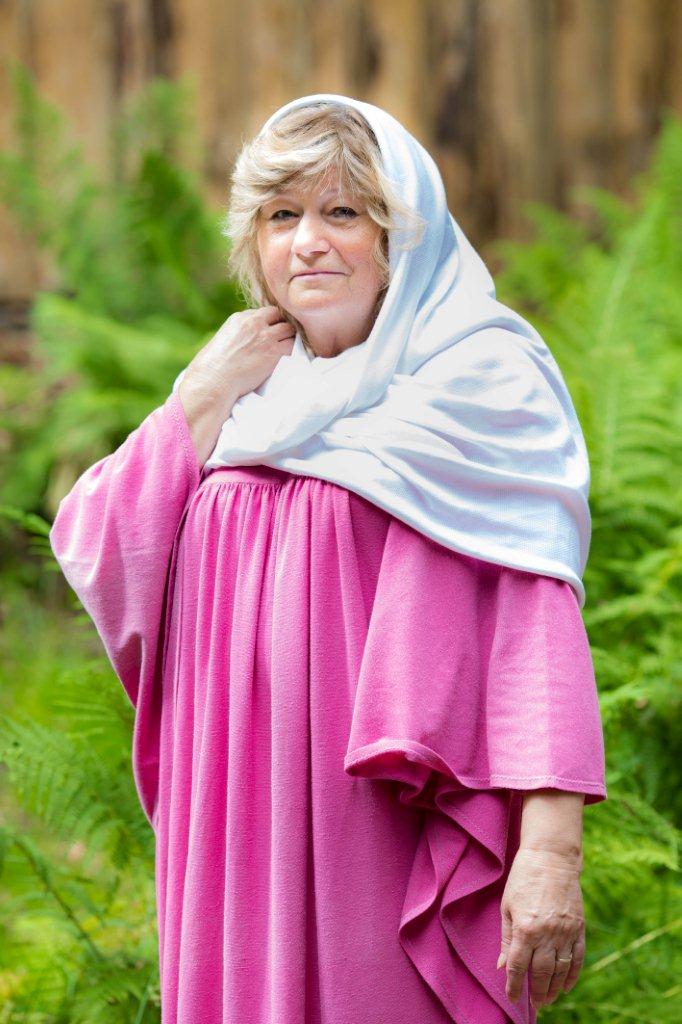
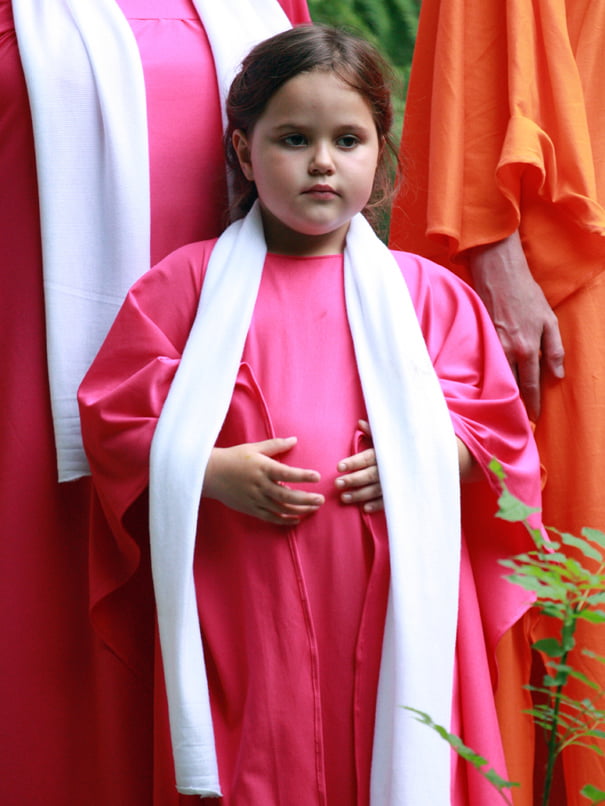


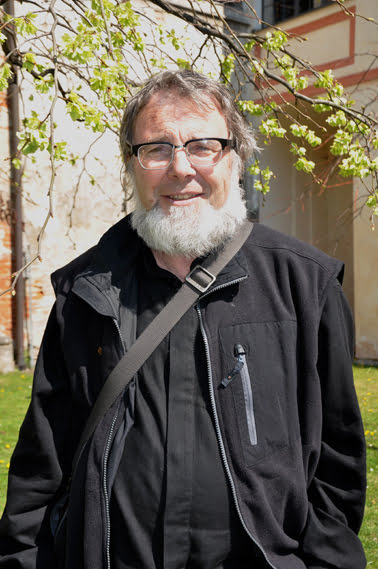
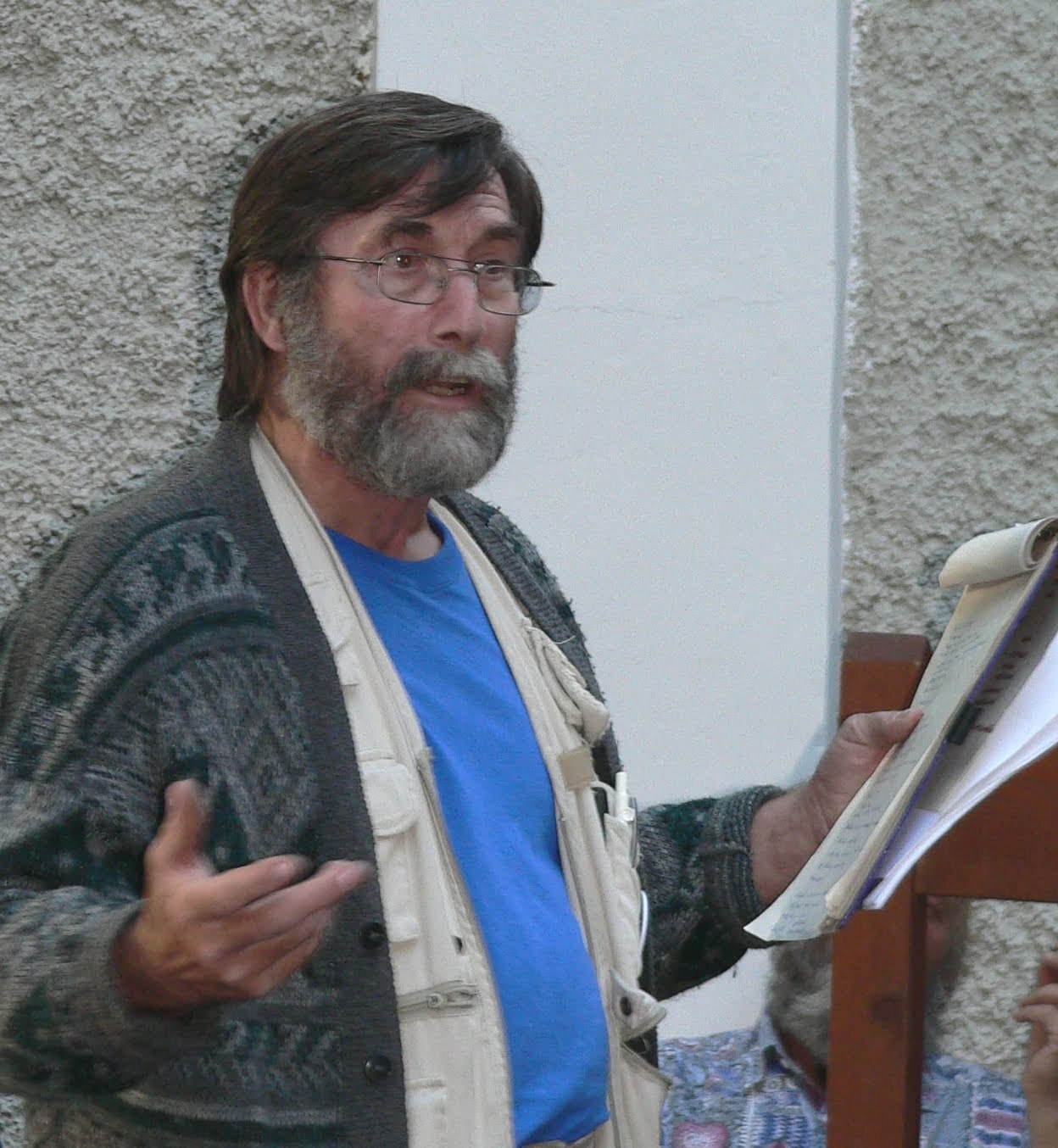
Jaromír Vesecký – apoštol
Ladislav Janoš – apoštol
Miroslav Straka – apoštol
Jan Křivohlávek – apoštol
Dana Halešová – Veronika
Jan Winzig – apoštol Petr
Helena Jelínková – chór
Miroslav Veverka – setník
Jaroslava Šíchová – chór
Jaroslav Merunka – apoštol
František Bublík – Annáš
Alena Bublíková – Marie
Daniel Hovorka – setník
Josef Selecký – apoštol Jidáš
Marta Merunková – chór
The Passion Plays today
The tradition of the modern Passion Plays continues today. The society has more than seventy members who meet every spring to pass on this profound story to new audiences.
In 2026 we will celebrate the symbolic 33 years of the modern Passion Plays.